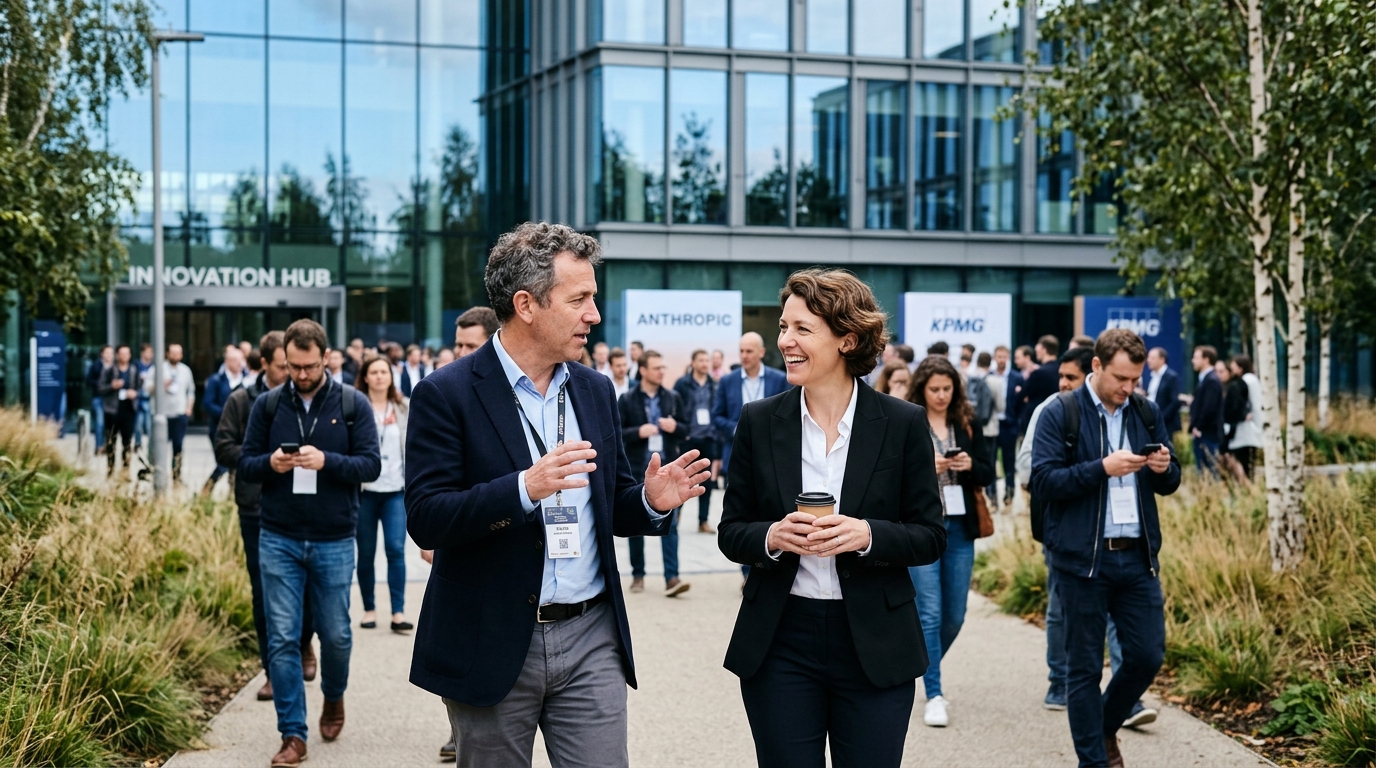
In a move that signals the next phase of the digital revolution in the professional services sector, KPMG has announced a multi-year strategic partnership with Anthropic, the AI safety and research company widely regarded as OpenAI's primary rival in ethical model development. This agreement is not merely a technical upgrade; it represents a fundamental restructuring of how the 'Big Four' approach consulting, auditing, and tax compliance in an AI-first world.
Integrating Claude 3.5 into Global Operations
The partnership centers on the integration of Anthropic’s Claude 3.5 model family into KPMG’s internal platforms and client-facing services. This means thousands of professionals worldwide will now have access to sophisticated AI tools capable of analyzing massive datasets, synthesizing complex legal documents, and identifying risks that might elude the human eye. KPMG’s choice of Anthropic is strategic; the latter’s focus on 'Constitutional AI' aligns perfectly with the stringent confidentiality and ethical requirements that govern the auditing profession.
According to KPMG leadership, the deployment of Claude 3.5 is expected to drastically reduce the time spent on repetitive tasks. In the auditing domain, for instance, AI can process entire transaction datasets rather than relying on traditional sampling methods, offering a level of precision that was previously unattainable. In advisory services, the model’s superior context window and reasoning capabilities allow for the creation of highly tailored client strategies based on real-time market shifts and regulatory changes.
The Big Four Arms Race and the Trust Factor
This move is part of a broader arms race among the major accounting firms. With PwC, Deloitte, and EY already committing billions to AI initiatives, KPMG is seeking to differentiate itself by prioritizing safety and reliability. While Microsoft and OpenAI dominate much of the market, Anthropic positions itself as the 'safe' alternative—a critical distinction for clients in highly regulated sectors like banking, insurance, and healthcare.
However, the integration of AI into such high-stakes environments is not without its hurdles. The primary concern remains accountability: who is responsible if an AI makes a mistake in a tax forecast or an audit report? KPMG maintains that AI will function as a 'co-pilot,' with the final decision always resting with the human professional. This 'Human-in-the-loop' approach is essential for maintaining the confidence of regulators and stakeholders alike.
Impact on Workforce and the Future of Junior Roles
One of the most discussed aspects of this tie-up is its impact on junior-level positions. Traditionally, the Big Four have relied on armies of recent graduates to handle the 'grunt work' of data entry and preliminary analysis. As AI takes over these roles, the business model of these firms must evolve. KPMG will need to upskill its workforce, shifting focus away from data processing and toward critical thinking, strategic judgment, and client relationship management.
- Automation of contract analysis and complex legal review.
- Enhanced fraud detection through advanced pattern recognition.
- Hyper-personalized tax advisory based on global regulatory shifts.
- Operational efficiency gains leading to faster project turnaround.
In conclusion, the KPMG-Anthropic alliance is a landmark event in the digital transformation of the corporate world. It is not just about using a new tool; it is about adopting a new philosophy where artificial intelligence becomes the core engine of professional excellence. The future of professional services is now inextricably linked to a firm's ability to blend technological power with human ethics and judgment.