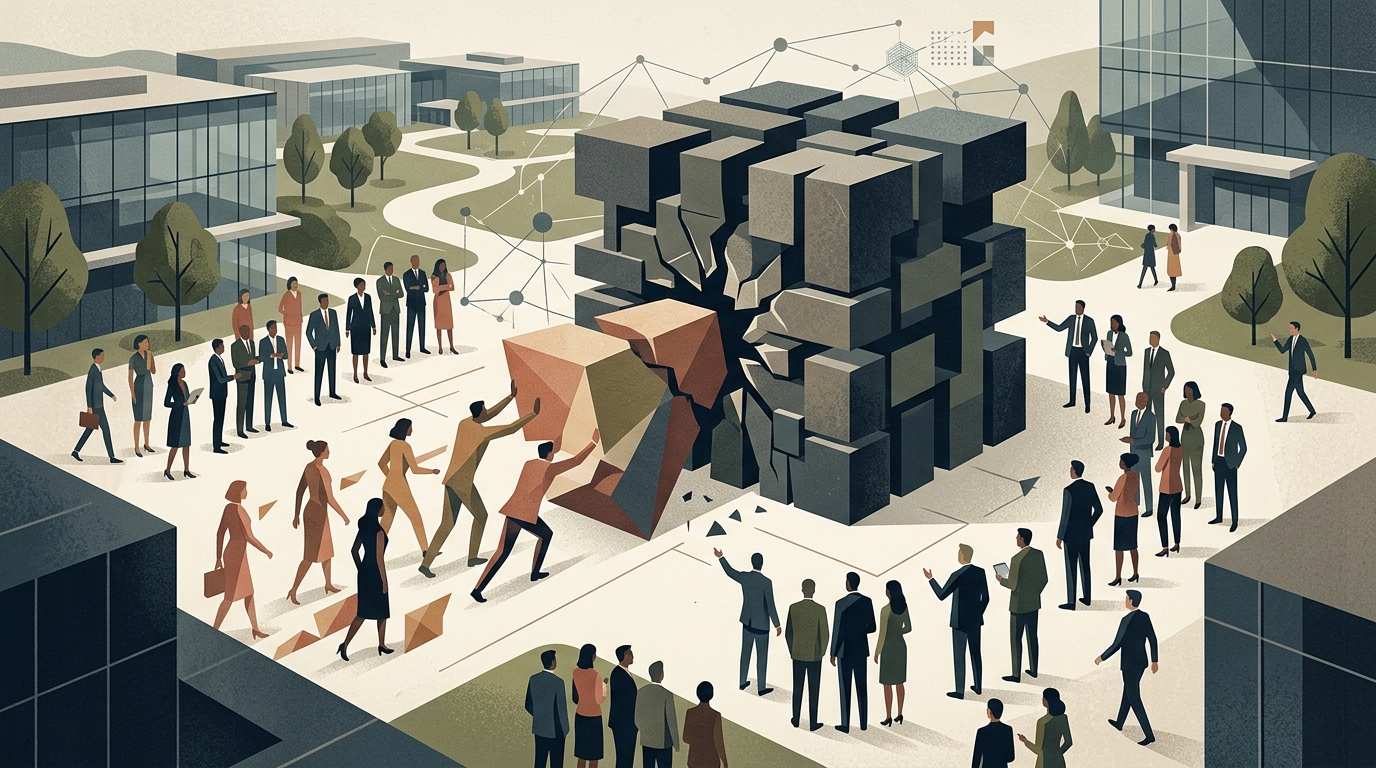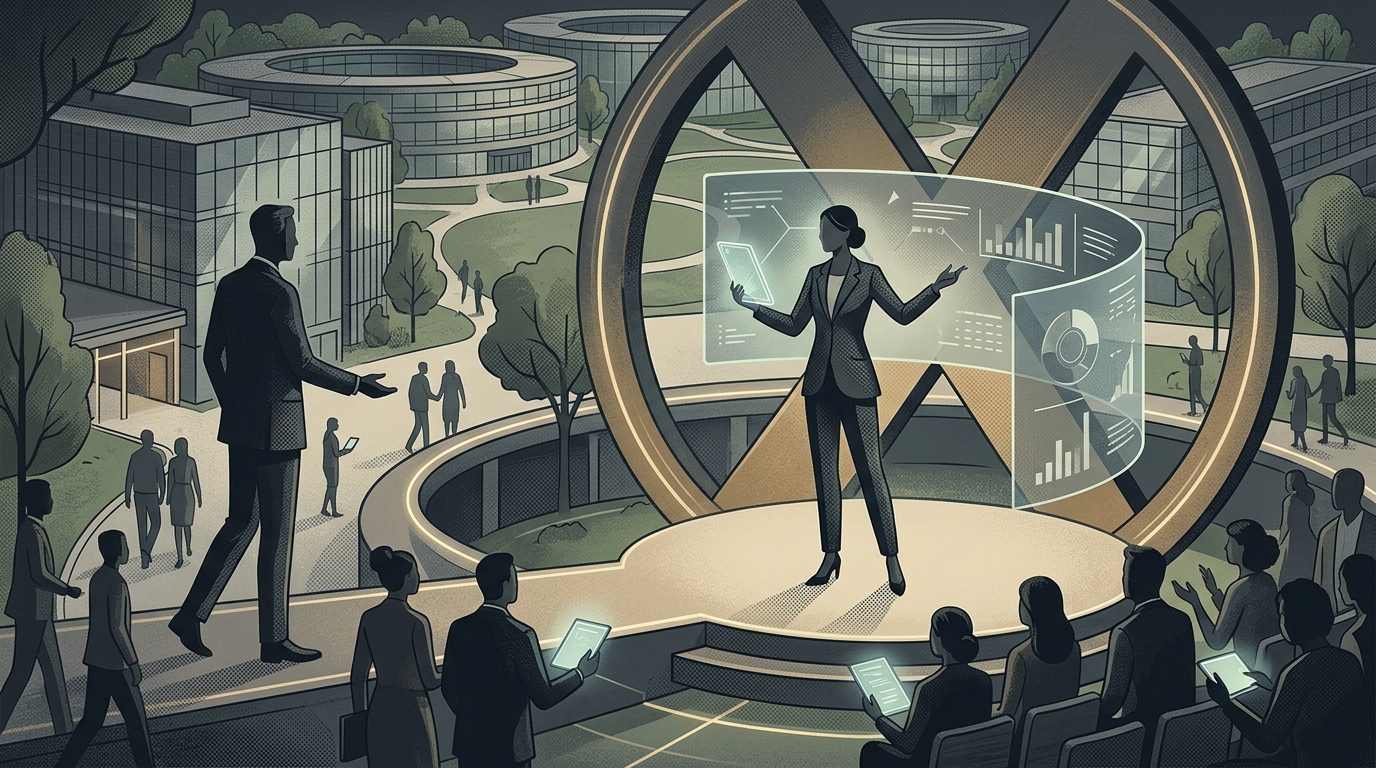
In a historic moment for the global technology landscape, Apple has officially announced that Tim Cook will step down as CEO on September 1st, 2026. His successor, John Ternus, previously the head of Hardware Engineering, is tasked with leading the three-trillion-dollar giant into a new, uncertain, yet challenge-filled era. This news is not merely an internal administrative shift but the end of a fifteen-year period that transformed Apple from a successful computer and mobile company into the most profitable entity on the planet.
The Tim Cook Legacy: From Operational Excellence to Global Dominance
When Tim Cook took over as CEO in August 2011, shortly before Steve Jobs' passing, many questioned whether a "numbers man" and supply chain expert could maintain Apple's magic. Fifteen years later, the answers have been provided through balance sheets. Cook did not try to be the next Jobs; instead, he perfected the money-making machine he inherited. Under his leadership, Apple's market value skyrocketed, the Services ecosystem became a standalone giant, and the iPhone solidified its position as the ultimate tool of modern life.
However, the criticism Cook faced often centered on the lack of "revolutionary" products. While the Apple Watch and AirPods became massive commercial successes, they were seen by many as complementary accessories rather than autonomous technological leaps. Cook's tenure was also marked by an emphasis on privacy as a human right, but also by fierce confrontations with regulators in the US and Europe over the App Store's monopolistic practices. His departure marks the completion of a mission: global dominance through stability.
Who is John Ternus and Why Was He Chosen?
John Ternus is no stranger to the halls of Cupertino. He joined Apple's product design team in 2001 and steadily rose through the ranks, assuming the role of Senior Vice President of Hardware Engineering in 2021. He is the man who oversaw Apple's transition to its own processors (Apple Silicon), a move considered the company's most significant technological victory of the last decade. The choice of Ternus sends a clear message: Apple is returning to its roots, prioritizing engineering and product.
Unlike Jeff Williams, the COO whom many considered Cook's natural successor due to their similar operational approach, Ternus is younger (in his early 50s) and possesses the profile of a leader who deeply understands hardware. He is popular within the company and is viewed by many as the "safe choice" that combines Jobs' vision for the product with Cook's discipline. In recent years' presentations, Ternus had taken on a central role, paving the way for today's announcement.
Challenges of the New Era: AI and Regulatory Frameworks
Ternus takes over Apple at a critical juncture. The first and greatest challenge is Artificial Intelligence. While Apple recently announced Apple Intelligence, the market perceives the company as lagging behind competitors like Google, Microsoft, and OpenAI. The new CEO will have to prove that Apple can integrate generative AI into its ecosystem without sacrificing its principles on data protection.
Furthermore, Apple is under the microscope of antitrust authorities worldwide. In the European Union, the Digital Markets Act (DMA) is forcing the company to open its closed system, threatening the App Store's profitability. Ternus will be called upon to manage these political pressures while simultaneously finding the next big hit after the iPhone. The Vision Pro, Apple's bet on spatial computing, remains a niche product, and its success or failure will define the early years of his tenure.
Conclusion: A New Strategy?
A change of leadership at Apple rarely signifies a sharp turn, but it always brings a change in tone. With Ternus at the helm, we expect an Apple that refocuses on hardware perfection and the vertical integration of its technology. Cook leaves behind a fortress-company; Ternus is called to make it a pioneer-company once again. September 1st won't just be the day a new person sits in the CEO's office, but the day Apple begins writing the chapter of its next twenty years.
"John has been a vital part of our leadership team for years, and his deep understanding of our products and our culture makes him the perfect person to lead Apple into the future." — Tim Cook, April 2026