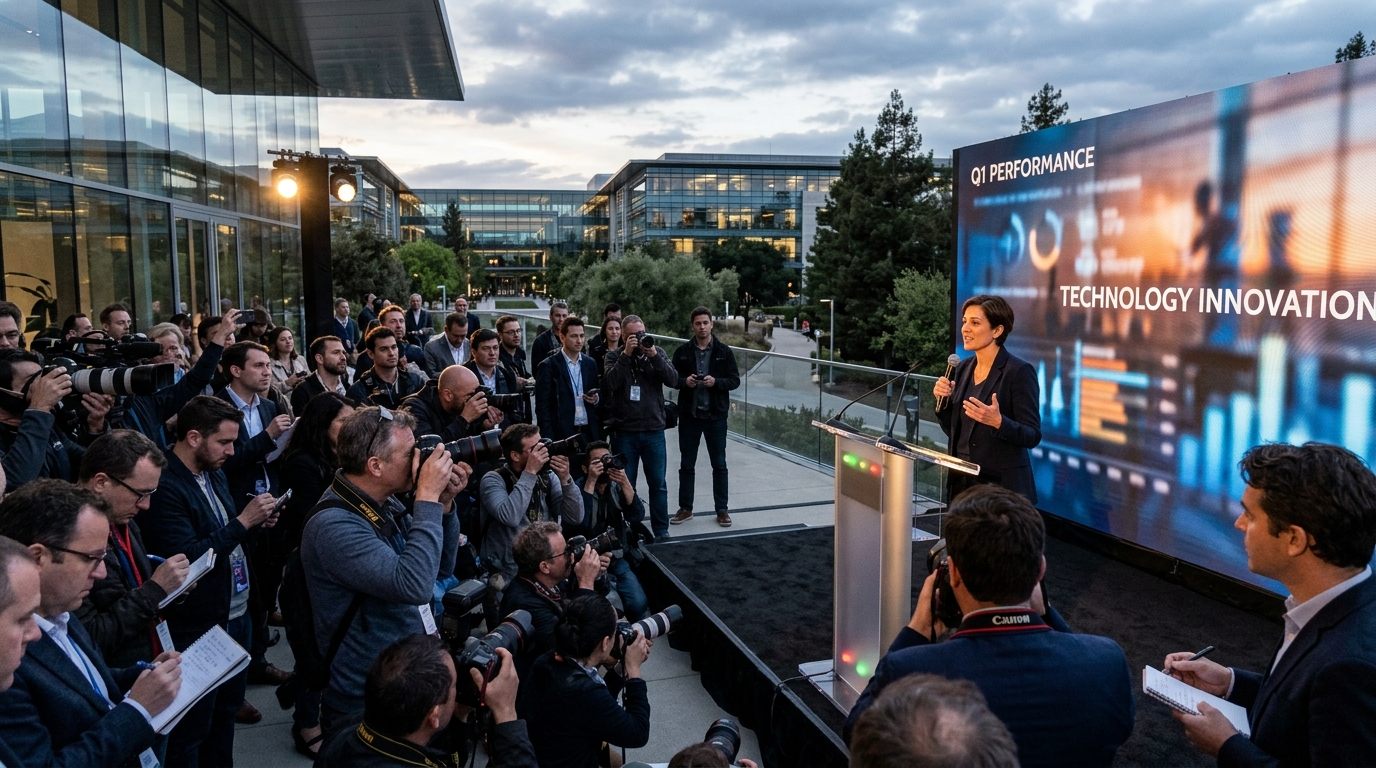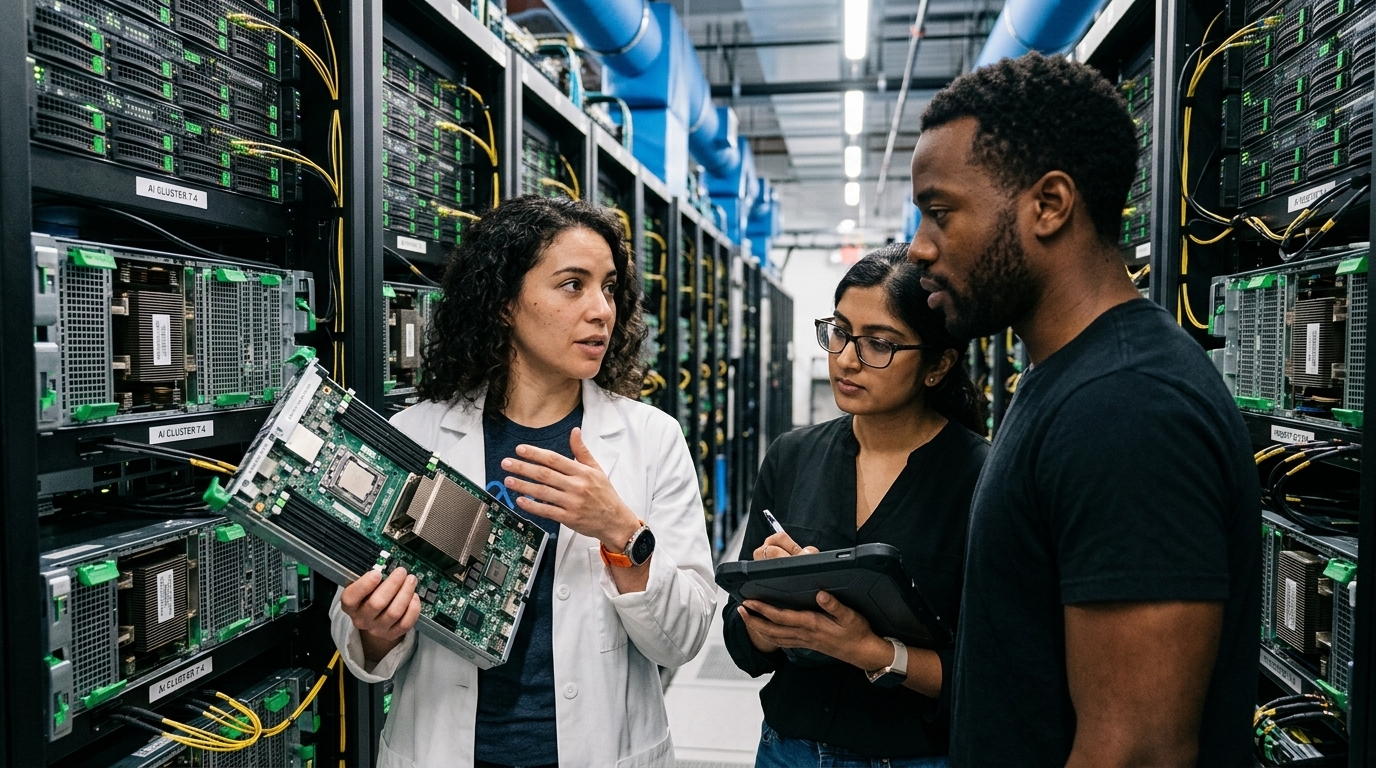
At the heart of the digital age, far from the spotlight of Silicon Valley offices, lie Meta’s true "factories." The company’s data centers are no longer mere server warehouses for Facebook and Instagram; they have evolved into sophisticated ecosystems of computing power, specifically designed to withstand the weight of the Artificial Intelligence (AI) revolution. In a recent tour led by Tom Shaw, Meta’s VP of Infrastructure, it becomes clear that the battle for AI supremacy is fought not only in code but also at the physical layer of hardware and energy.
The Transition to an AI-First Infrastructure
For years, Meta relied on a standardized data center architecture that served billions of users. However, the advent of Large Language Models (LLMs) like Llama changed the game. Training these models requires thousands of GPUs (Graphics Processing Units) running simultaneously, generating immense heat and consuming energy at levels that could power entire cities. Meta’s new data centers are "AI-ready" by design.
One of the most striking features of this new generation of infrastructure is the adoption of liquid cooling. As chips become more powerful, traditional air cooling is no longer sufficient. Meta has developed systems where coolant circulates directly over the processors, allowing for denser server placement and drastically reducing the energy footprint of cooling. This shift is not just a technical upgrade but a strategic survival choice in a world where compute power is the new "oil."
The MTIA System and Independence from Nvidia
While Nvidia remains the dominant GPU supplier, Meta is investing heavily in its own silicon. The Meta Training and Inference Accelerator (MTIA) is the company’s custom chip, designed specifically for the needs of its own ranking and advertising algorithms. Within the data centers, entire wings are now dedicated to these proprietary chips. This offers Meta two critical advantages: lower costs in the long run and full control over the hardware-software stack.
- Optimization: MTIA chips are tailored to execute Meta’s specific processes with maximum efficiency.
- Scaling: The ability to produce its own chips allows Meta to expand without being solely dependent on third-party supply chains.
- Integration: Close collaboration between hardware design teams and AI researchers accelerates the innovation cycle.
Energy and Sustainability: The Great Challenge
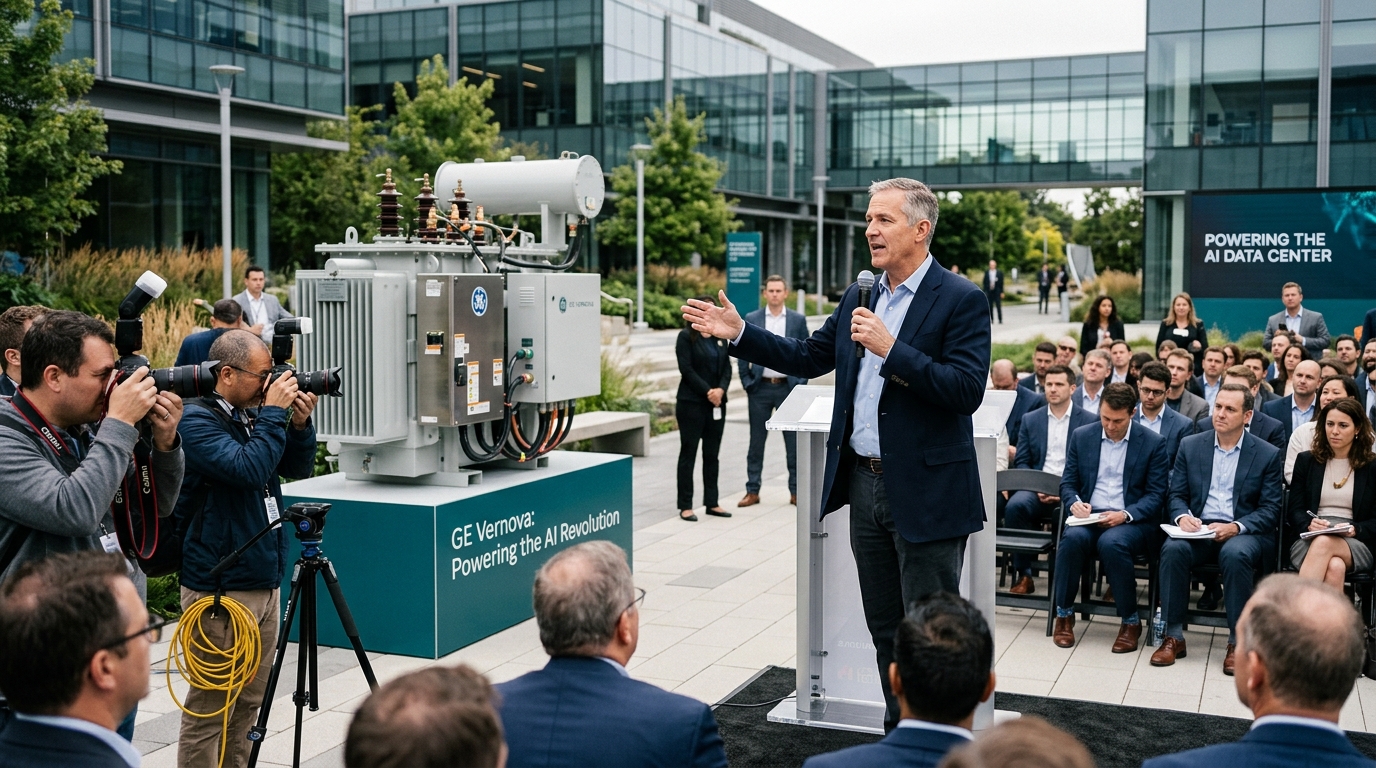
Operating these colossal facilities brings Meta face-to-face with the reality of climate change. The company has committed to net-zero emissions, but energy-hungry AI complicates the situation. According to Shaw, Meta invests in renewable energy in every region where it builds a data center, often becoming the largest local buyer of solar and wind power.
"Our infrastructure is the foundation upon which we build the future of human connection. It’s not just about servers; it’s about making AI accessible to everyone," states Tom Shaw.
However, the challenge remains: how to balance the need for 24/7 operation with the intermittency of renewable sources? Meta is experimenting with large-scale battery storage and even considering the use of nuclear energy through Small Modular Reactors (SMRs) in the future, following the footsteps of other tech giants.
The Social and Geopolitical Dimension
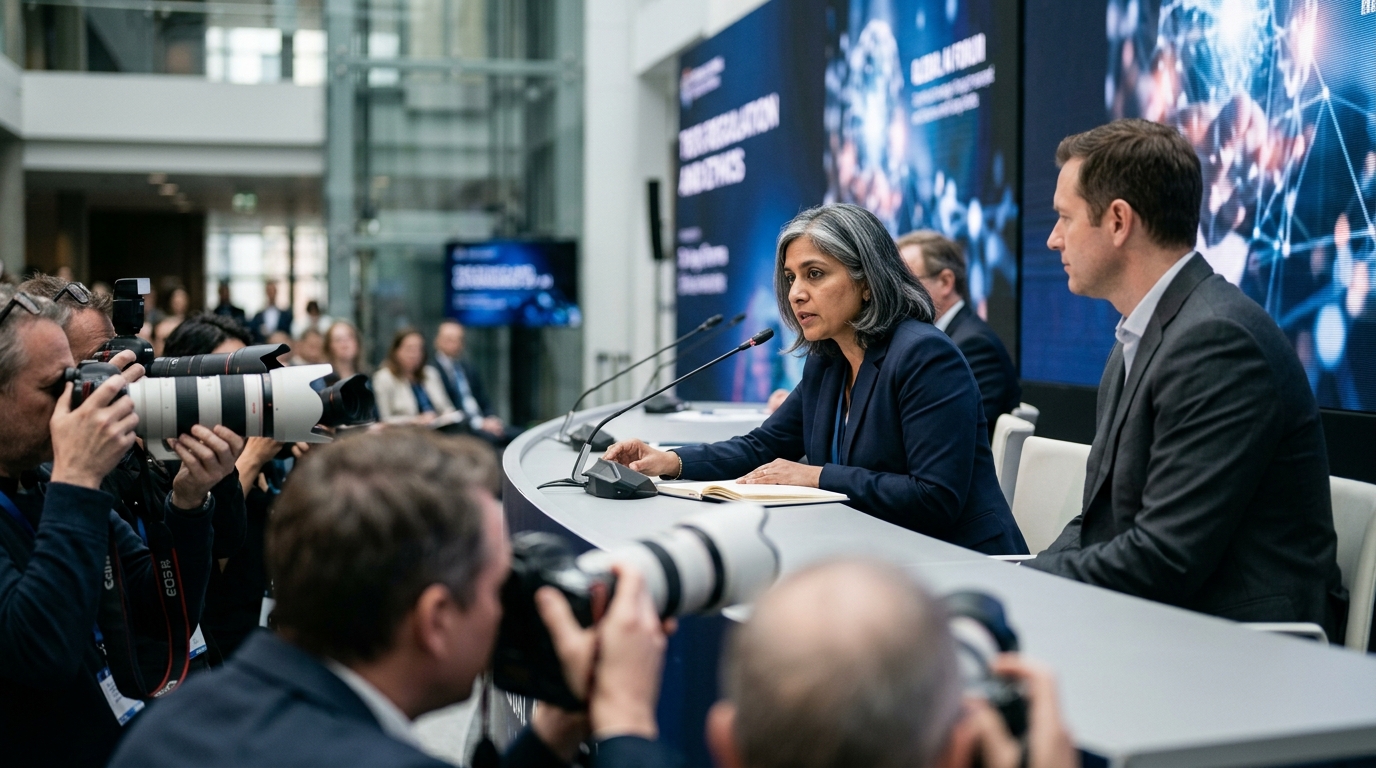
Data centers are not just technical achievements; they are political tools. Their location determines data jurisdiction and access speed for millions. In Europe, Meta faces strict data protection regulations, forcing it to build infrastructure that complies with local standards while maintaining global platform cohesion. The existence of these facilities on European soil is a guarantee of the continent's digital sovereignty, but also a point of friction regarding the consumption of resources like water and electricity.
In conclusion, a look inside Meta’s data centers reveals that AI is not an abstract concept living in the "cloud." It is a heavy industry requiring steel, silicon, water, and massive amounts of energy. Meta’s ability to manage this physical infrastructure will determine whether it remains a leader in the next decade of technology or buckles under the weight of its own ambitions.