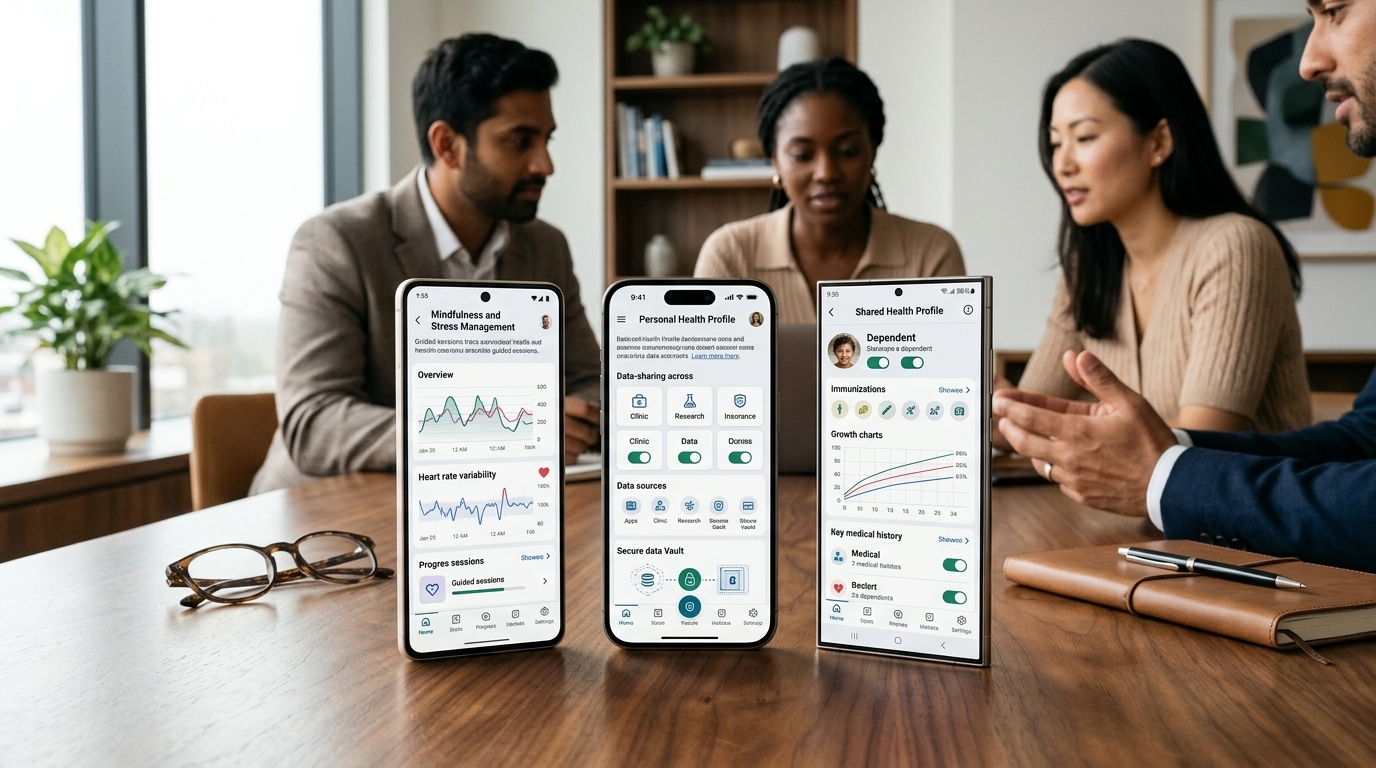
In a world where digital health is fragmented across dozens of apps, wearables, and medical records, Google is stepping in to provide a solution with its revamped Google Health app. This move is not merely a technical update but a strategic pivot towards the unification of personal health data, placing the user at the center of control. The promise is simple yet ambitious: all your data, in one place, on your terms.
The Architecture of Integration
The primary problem facing users today is the lack of interoperability. A smartwatch tracks heart rates, a mobile app logs diet, and a smart ring monitors sleep. Until recently, this data remained in "silos." Google, through Google Health, is creating a central hub that acts as a connective tissue. Leveraging the Health Connect protocol, the app allows different platforms to "talk" to each other, enabling users to see the total picture of their health without having to switch between various applications.
This integration extends to clinical data as well. In partnership with healthcare providers, Google aims to integrate laboratory results, appointments, and prescriptions directly into the app. This transforms the smartphone from a simple step-counter into a comprehensive digital medical record, accessible at any moment.
Privacy: The Great Wager
When it comes to health data, trust is the most valuable currency. Google is well aware that its reputation regarding privacy has faced criticism in the past. For this reason, the new platform emphasizes "security by design." Health data is encrypted on the user's device and is not used for ad targeting—a commitment the company emphasizes repeatedly.
"Control over health data must belong exclusively to the user. We designed Google Health with transparency and security in mind, ensuring that every piece of information remains private and protected," the official announcement states.
Users now have the ability to choose precisely which apps have access to which data. For example, one could allow a fitness app to read sleep data but deny it access to heart rate history. This granular management is essential for building trust in an era where cyberattacks on health databases are increasing globally.
AI as a Personal Consultant
Collecting data is only the first step; the real value comes from analysis. This is where Google's Artificial Intelligence (AI) enters the fray. Instead of simple charts and numbers, Google Health will now offer "intelligent insights." AI can identify correlations that the human mind might struggle to notice: how sleep quality affects glucose levels the next day, or how a change in activity might signal an oncoming illness.
- Proactive heart health monitoring through trend analysis.
- Personalized suggestions for improving wellness based on biorhythms.
- Automatic categorization of medical documents for easy searching.
This proactive approach could radically shift the healthcare model from "reactive" (treating the problem after it appears) to "preventative" (maintaining health before symptoms arise). However, Google is quick to clarify that these insights do not constitute a medical diagnosis but are tools for better collaboration with one's physician.
Competition and the Future
Google's move puts it in direct competition with Apple, which dominates the digital health sector with Apple Health and the Apple Watch. While Apple bets on its closed, controlled ecosystem, Google promotes the openness and flexibility of Android, targeting a much larger and more diverse global audience. The future of digital health will not be decided solely by who has the best sensor, but by who can transform the ocean of data into a coherent and useful narrative for human life.