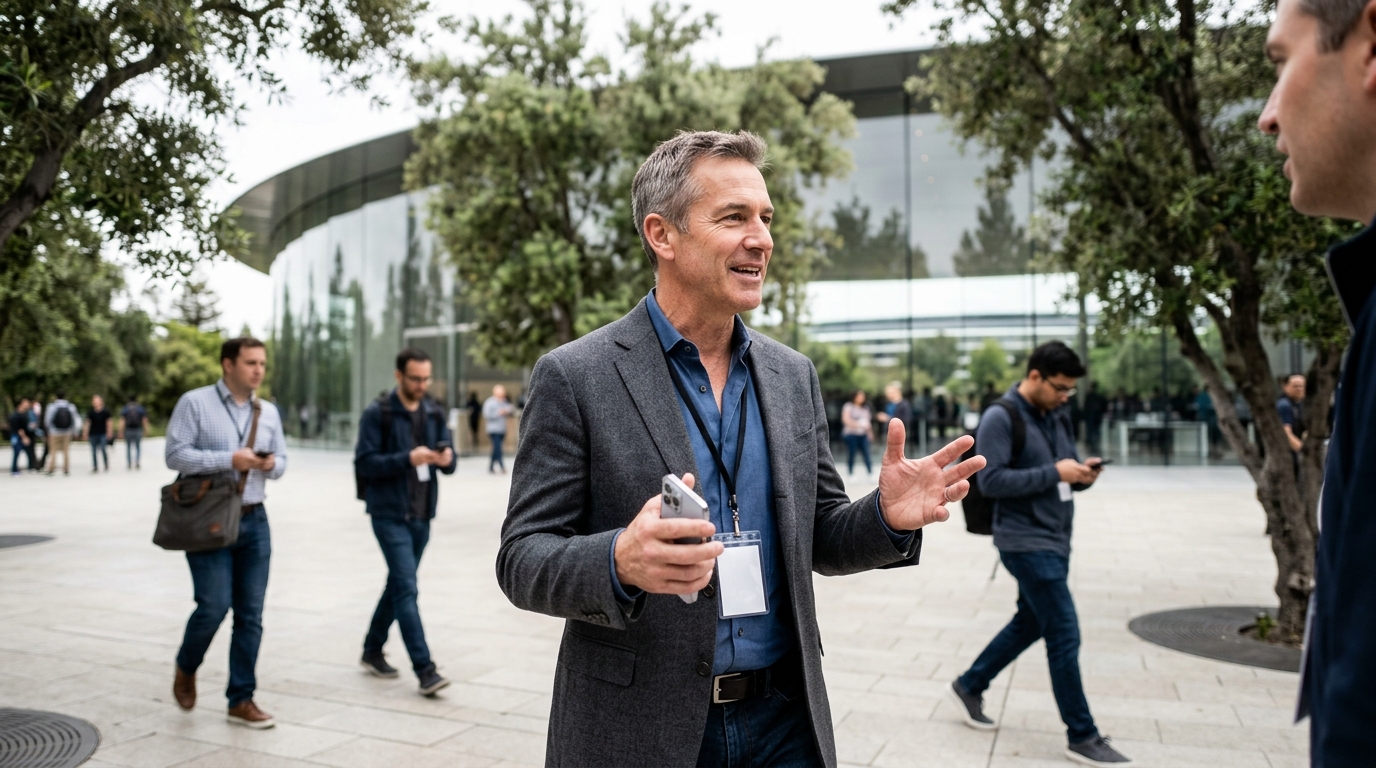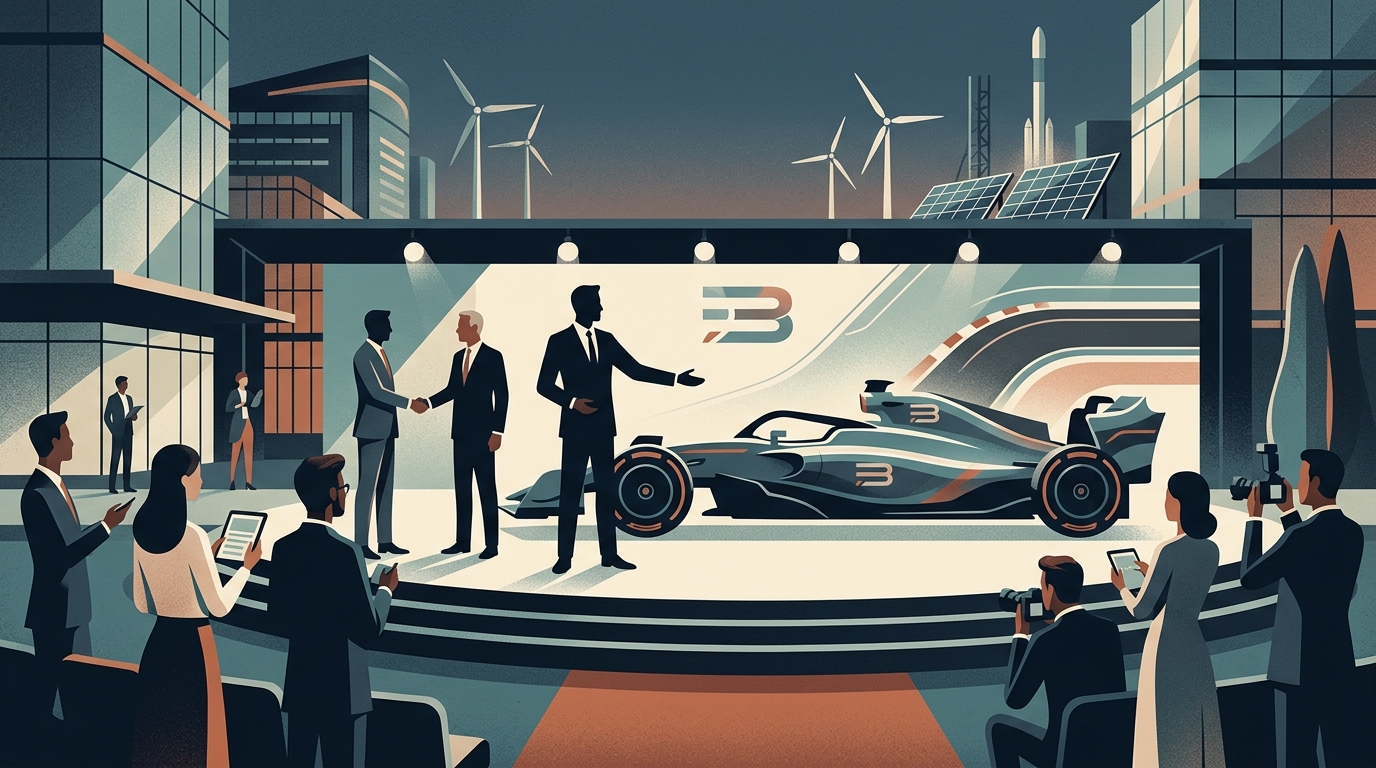
Formula 1 has never been just a race of speed on the track; it has always been a complex chessboard of geopolitics, corporate power, and personal ambitions. In recent days, rumors that Christian Horner, the long-time powerhouse of Red Bull Racing, is in advanced talks with Chinese giant BYD have caused an earthquake in the paddock. The meeting in Cannes was not just a social event, but the beginning of a potential upheaval that could reshape the grid for the next decade.
Horner at a Crossroads: The Red Bull Fracture
The internal strife at Red Bull Racing, which came to light in early 2024, seems to have left deep scars. Despite Horner's exoneration from allegations of misconduct, the power balance in Milton Keynes has been irreparably disrupted. The Austrian side of the ownership and the Verstappen family appear to be maintaining a distance that makes Horner's future uncertain. According to sources, the non-compete clause that bound Horner in the event of a departure is nearing its end or is being renegotiated, clearing the path for his next big venture.
Horner is not a mere manager; he is the architect of an empire. The prospect of building something from scratch, backed by the unlimited financial resources of a Chinese titan, is a challenge that fits his profile perfectly. For Horner, BYD is not just a sponsor, but the vehicle for ultimate vindication and the establishment of a legacy outside the Red Bull ecosystem.
BYD: From Batteries to the Pinnacle of Motorsport
BYD (Build Your Dreams) has already dethroned Tesla in global electric vehicle sales. However, in Europe and America, the brand still struggles with the stigma of "Chinese quality." Entering Formula 1 is the ultimate marketing tool to prove technological superiority. With the new 2026 regulations emphasizing electrical power and sustainable fuels, BYD possesses the battery expertise that could make even Ferrari or Mercedes uneasy.
- Strategic positioning in the European market through high-profile sports.
- Leveraging Blade Battery technology in F1 hybrid systems.
- Creating a purely Chinese team with Western administrative expertise.
The Chinese government views Formula 1 as a field for exercising "soft power." Following the success of the Shanghai Grand Prix and the presence of Zhou Guanyu, the creation of a national team under the guidance of the most successful Team Principal of the modern era seems like an ideal scenario.
The 12th Team Hurdle and Liberty Media
Formula 1 Management (FOM) and Liberty Media have repeatedly expressed reservations about adding new teams, as evidenced by the rejection of the Andretti-Cadillac bid. However, the BYD case is different. While Andretti was deemed not to provide "added value," a manufacturer of BYD's scale brings an entire market of billions and technological innovation that F1 cannot ignore.
"Formula 1 doesn't just need more cars; it needs more manufacturers pushing the boundaries of technology," a FIA official recently stated, leaving the door open for new entries.
If Horner can present a comprehensive plan that includes its own Power Unit production in collaboration with BYD, the pressure on Liberty Media will be immense. The entry fee, expected to skyrocket to $600 million under the new Concorde Agreement, is no obstacle for a giant recording billions in profits.
Conclusion: A New Era or a Tactical Game?
It is possible that all this activity is a maneuver by Horner to regain full control at Red Bull. However, the seriousness of the contacts with BYD suggests something deeper. Formula 1 is mutating. From a closed club of European speed aristocrats, it is transforming into a global platform where Chinese technology claims primacy. If Horner is the one at the helm of this change, then the sport's history has just gained its most fascinating chapter.