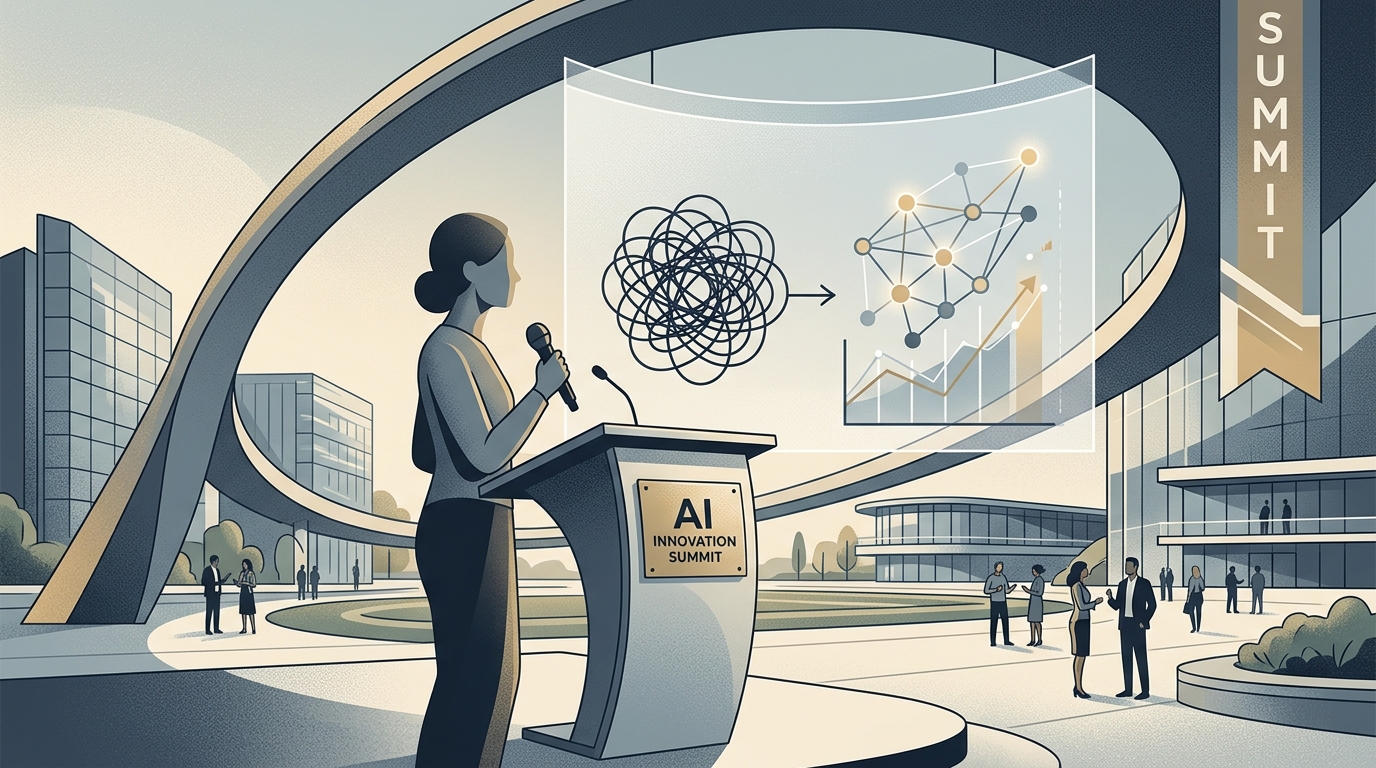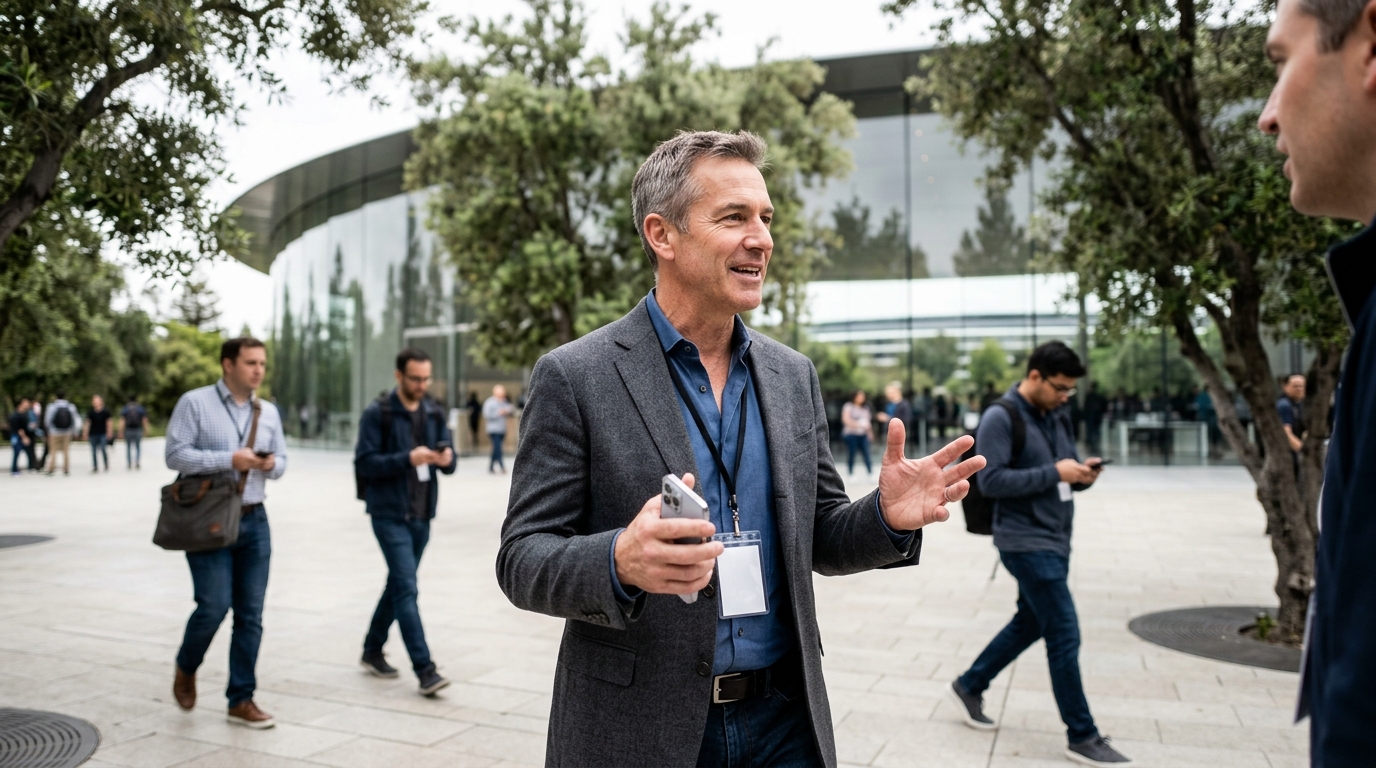
In the heart of North Carolina, Elon University has become a living laboratory for the future of higher education in the age of artificial intelligence. While many institutions worldwide are struggling to impose blanket bans or uniform rules for tools like ChatGPT, Elon has chosen a more complex and perhaps more realistic path: decentralization. Recent internal reviews reveal that AI policies at the university do not just vary from building to building, but often from office to office, reflecting the deep divisions within the academic community.
The Philosophy of Decentralized Governance
The university administration, recognizing that the needs of a journalism student differ radically from those of a biology or classics major, has avoided issuing a single "bible" of rules. Instead, Elon’s AI Council provided a framework of guidelines, leaving the final decision to deans and faculty members. This bottom-up approach allows for flexibility, but it also creates a sense of uncertainty for students who must navigate an environment where the same action might be considered "innovation" in one class and "plagiarism" in another.
In the School of Communications, for instance, AI is treated as an essential tool for professional survival. Professors encourage students to experiment with content creation, data analysis, and code optimization. The logic is simple: the job market demands AI literacy, and the university has a duty to provide it. Conversely, in the Humanities departments, the approach is significantly more skeptical. There, the emphasis remains on critical thinking and the authenticity of the human voice, with AI often restricted to a research assistant role under strict conditions.
Professional Preparedness vs. Academic Integrity
The clash between preparing for the workforce and maintaining academic integrity is at the core of the debate at Elon. In the Love School of Business, the integration of AI is nearly universal. Students are taught how to use large language models for drafting business plans and forecasting market trends. Proponents of this method argue that banning AI would be equivalent to banning calculators in math classes decades ago.
However, this "instrumentalization" of knowledge causes concern for many academics. As faculty members point out, the risk is not just copying, but the atrophy of cognitive skills. If a student relies on AI to synthesize an argument, will they ever develop their own dialectical ability? Elon is trying to walk this tightrope by introducing mandatory technology ethics courses, where students are asked to reflect on the consequences of automated thinking.
The Challenge of Assessment and the Digital Divide
Another significant aspect emerging from these differing policies is the difficulty in student assessment. In departments where AI use is permitted, professors are forced to completely redesign exams and assignments. Traditional take-home essays are being replaced by oral exams, in-class blue-book tests without internet access, or projects requiring personal empirical research that AI cannot simulate.
Furthermore, the issue of equity arises. While Elon University provides access to certain tools, the most advanced versions of AI models often require expensive subscriptions. If a department encourages AI use but does not ensure universal access to premium tools, it risks creating a new digital divide among students. The university administration is considering creating a central fund to subsidize these tools, but budgets are already strained by IT infrastructure investments.
Conclusions: A Model for the Future?
Elon's experience shows that integrating artificial intelligence into education is not a linear process. It is a constant negotiation between tradition and innovation. The existence of different policies by department may seem chaotic, but it reflects the reality of the world outside the university. Graduates will be called to work in industries with different ethical and practical standards regarding AI.
The question remains whether this polyphony will lead to a more comprehensive education or if it will end up confusing students, undermining the value of their degrees. What is certain is that Elon has dared to open Pandora's box, recognizing that AI is not a passing fad but a structural change in how we produce and consume knowledge. The success of this experiment will depend on the ability of faculty and students to keep the dialogue open, beyond the narrow confines of their departments.