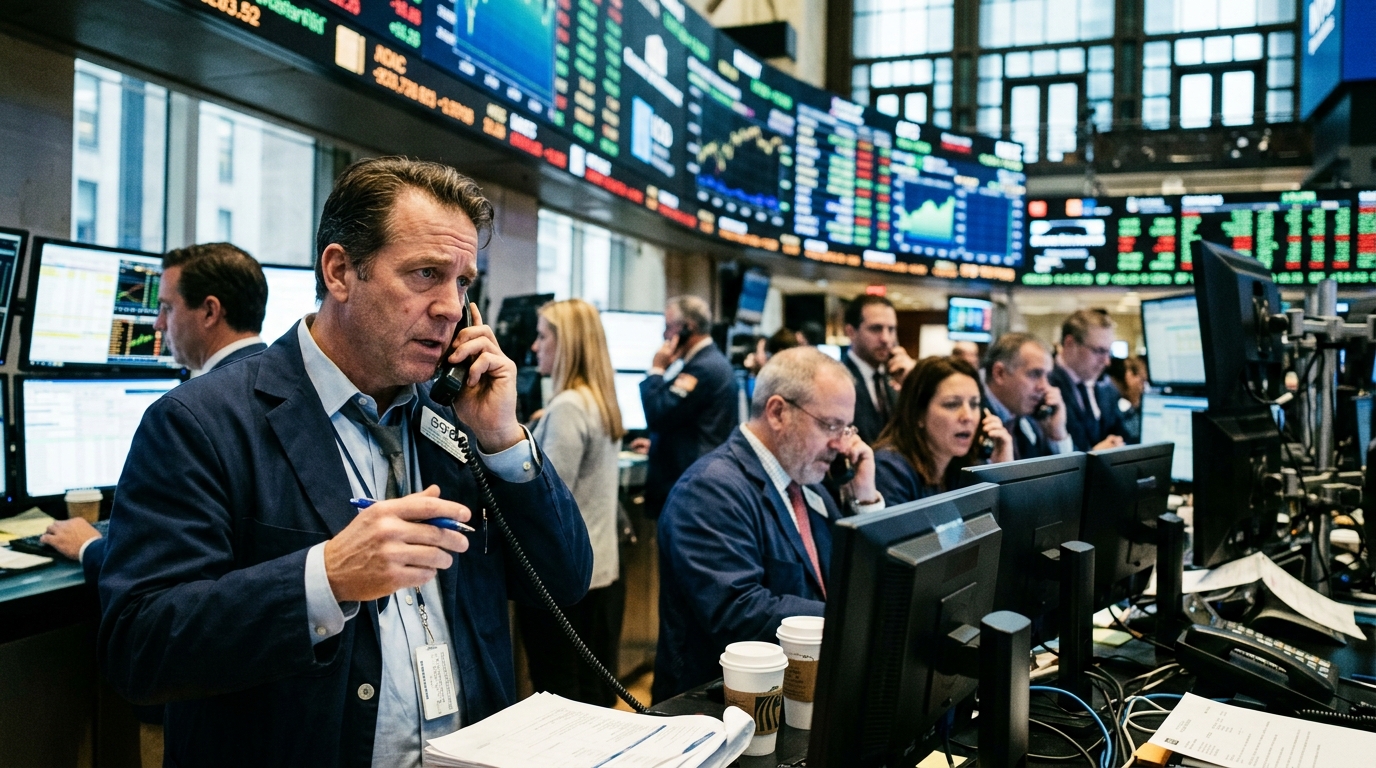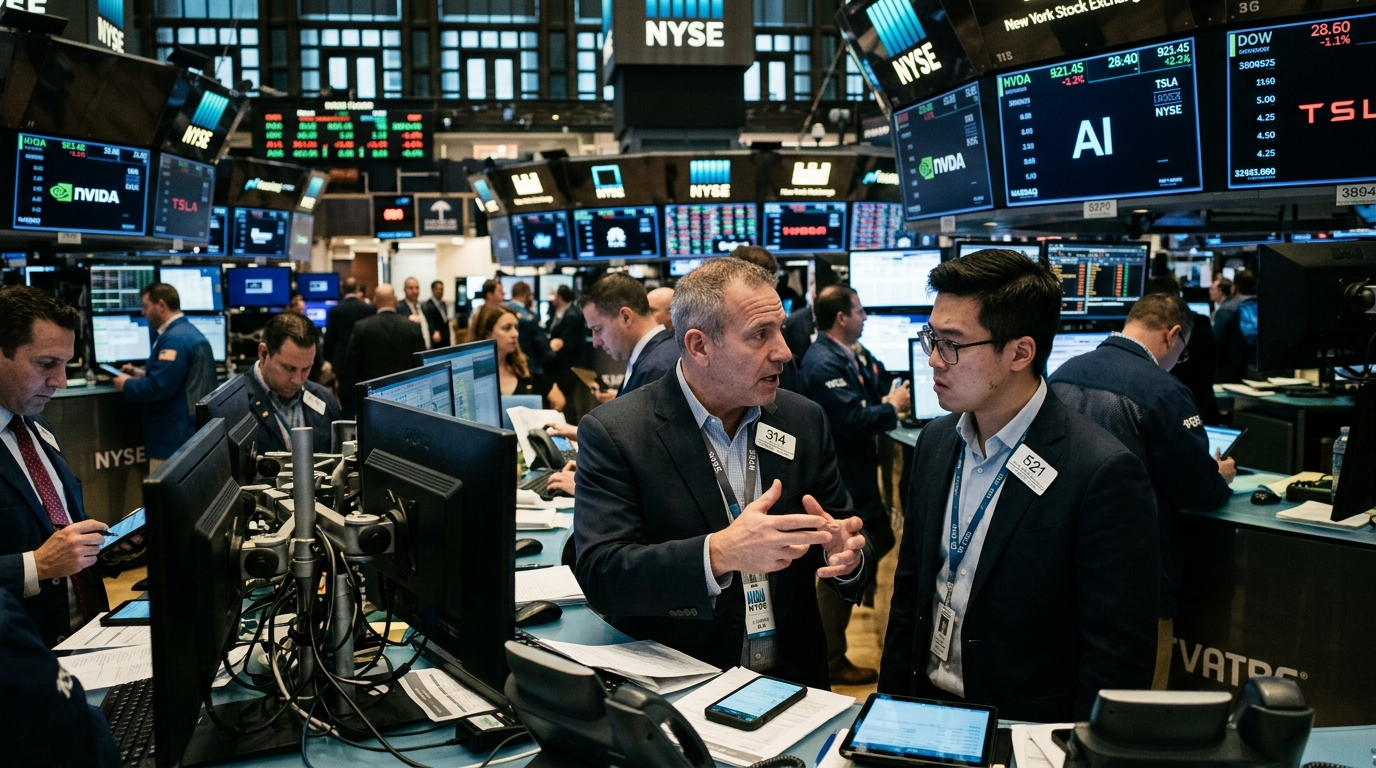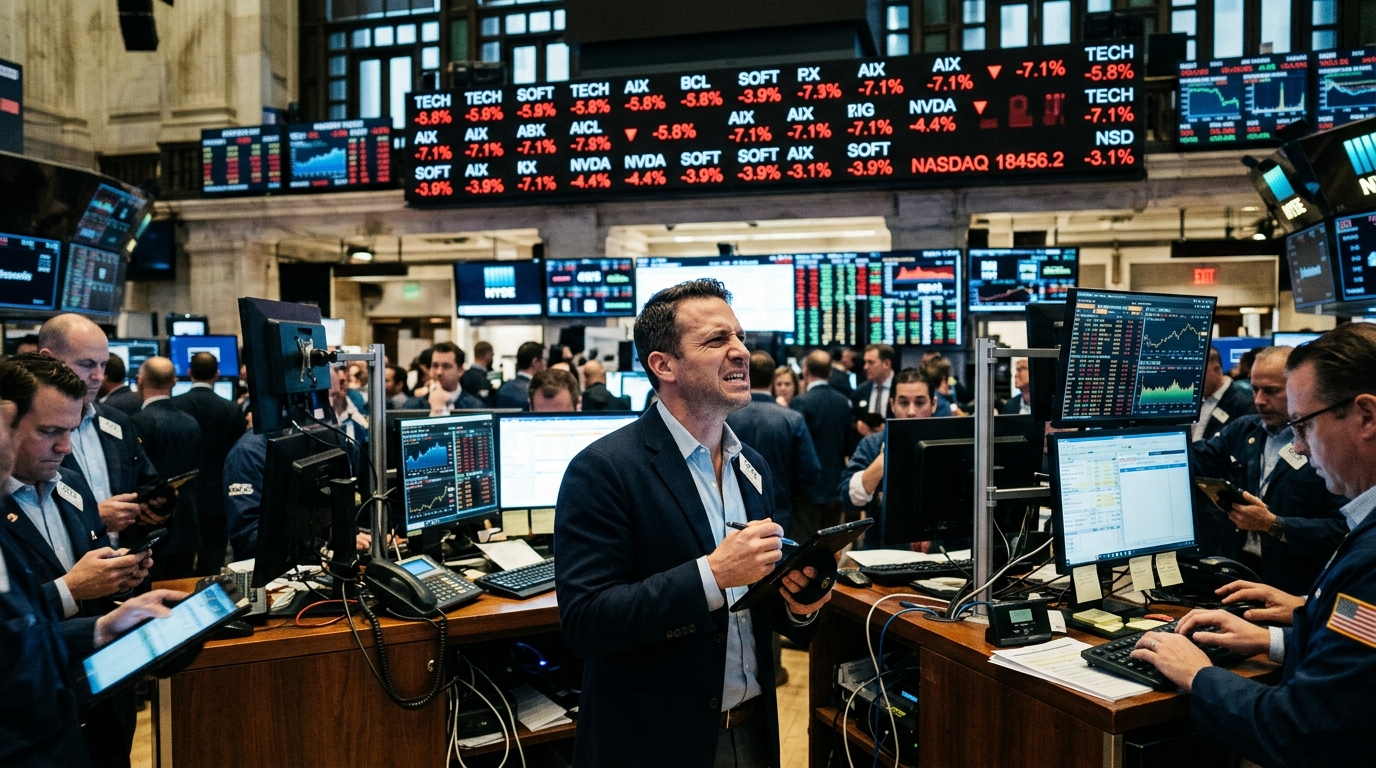
As we navigate the second quarter of 2026, the global landscape is defined by a striking paradox. While geopolitical tensions in the Middle East—specifically the escalating friction involving Iran—have sent shockwaves through energy markets and traditional trade routes, the so-called "AI Supercycle" remains remarkably resilient. Analysis suggests that Artificial Intelligence is no longer viewed as a mere technological trend or a discretionary expense; it has graduated to the status of critical national security infrastructure that global powers refuse to compromise, regardless of the geopolitical cost.
However, this resilience is not a return to the status quo. The supply chain feeding the AI boom—from advanced logic chips to the massive data centers housing them—has undergone a structural metamorphosis that will endure for decades. The era of "Just-in-Time" globalization is effectively over, replaced by a new epoch of strategic redundancy, onshoring, and "friend-shoring."
The Supercycle as an Existential Imperative
Why does the AI Supercycle persist while other sectors buckle under the weight of conflict? The answer lies in the fundamental integration of AI into the core productivity of G7 economies. By 2026, Generative AI has moved beyond chatbots into the automation of industrial design, pharmaceutical discovery, and logistics management. To halt AI investment now would be to concede permanent economic and military disadvantage to adversaries.
Demand for compute has become inelastic. Just as oil was the lifeblood of the 20th-century economy, data and GPUs are the oxygen of the 21st. In times of war, oxygen becomes even more precious. Military applications of AI, ranging from autonomous drone swarms to AI-driven cyber defense, have transformed the tech supercycle into a survival mechanism for the modern state. Large-cap tech firms, despite rising energy costs, continue to deploy hundreds of billions in capital expenditure (CAPEX) to secure their digital dominance.
The Permanent Shift in Global Logistics
The conflict in the Persian Gulf region served as the final catalyst for a total redesign of the global supply chain. For years, the AI industry relied on an incredibly fragile geography: designed in the US, fabricated in Taiwan, assembled in Southeast Asia, and shipped through the Strait of Hormuz or the Suez Canal. The persistent threat of regional war has rendered this model obsolete.
- Localized Fabrication: The US and EU have accelerated the construction of semiconductor Fabs on sovereign soil, internalizing higher production costs in exchange for security.
- Energy Autonomy for Data Centers: New data centers are increasingly paired with Small Modular Reactors (SMRs) and localized renewable grids to decouple compute power from volatile fossil fuel markets.
- Critical Mineral Diversification: Dependence on single-source geographic zones for rare earth elements is being aggressively diluted through new alliances with Australia, Canada, and Brazil.
"We are not just in an economic cycle; we are in a technological migration. AI is moving from the clouds of globalization into the fortresses of national sovereignty," noted a senior semiconductor executive during a recent industry summit.
Economic Implications: The Inflationary Cost of Security
This new reality carries an inherent contradiction. While AI promises to boost productivity and lower costs in the long run, the restructuring of its supply chain is deeply inflationary. Building a chip in a facility in Ohio or Dresden costs 30-40% more than in East Asia. Enterprises and consumers will eventually have to pay this "geopolitical risk premium."
Yet, the market appears willing to absorb this cost. Investors are less deterred by the threat of war than by the fear of being left behind in the AI arms race. The sector's resilience suggests we have entered a phase where technological leadership is viewed as a more stable store of value than traditional currencies or commodities. The AI Supercycle is effectively being "priced for permanence," irrespective of regional instability.
Conclusion: A World of Fragmented Clusters
The future of AI will not be a singular, globalized network, but a series of regionalized clusters. The Iran conflict has merely confirmed that the freedom of information and the power of processing require physical, localized protection. The AI Supercycle will survive, but it will look fundamentally different: more expensive, more fortified, and inextricably linked to state power. The supply chain is no longer just a line on a map; it is the firewall for the digital future.