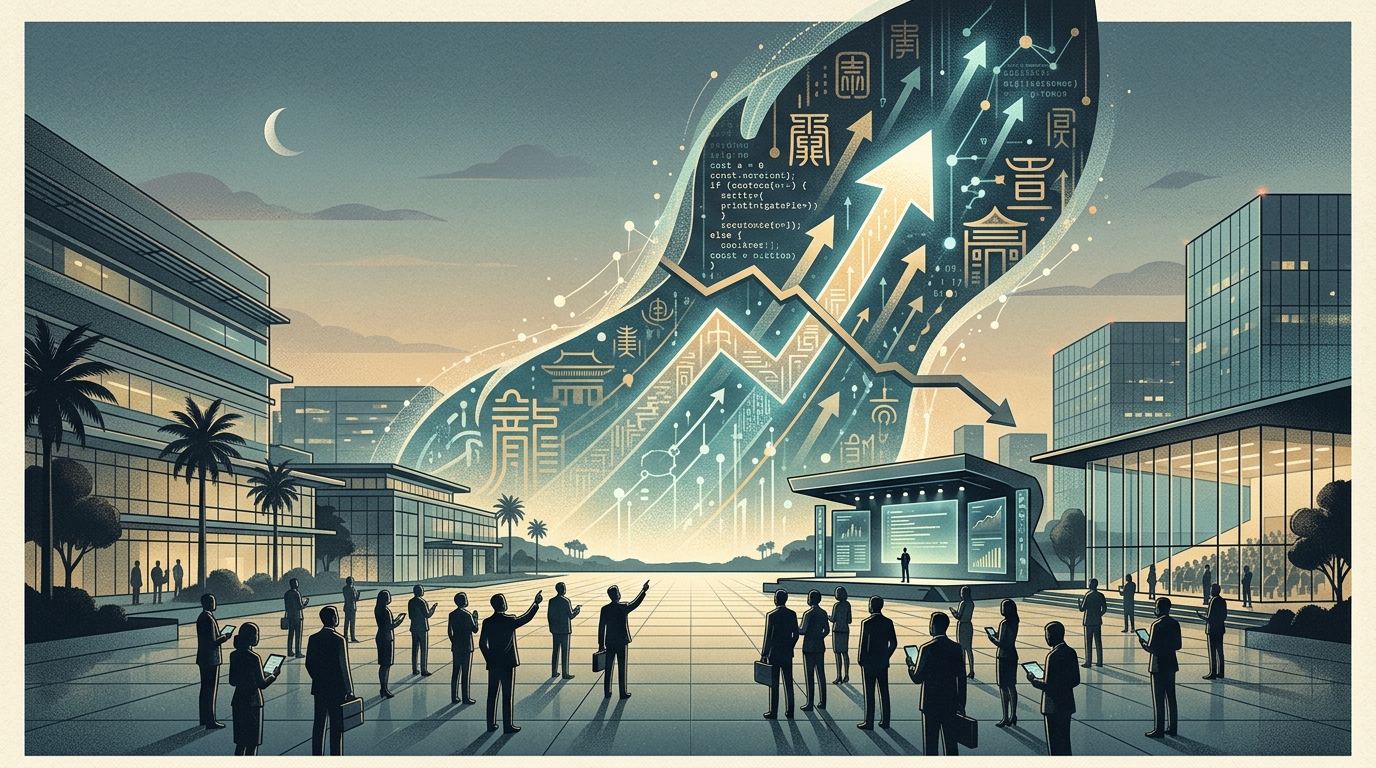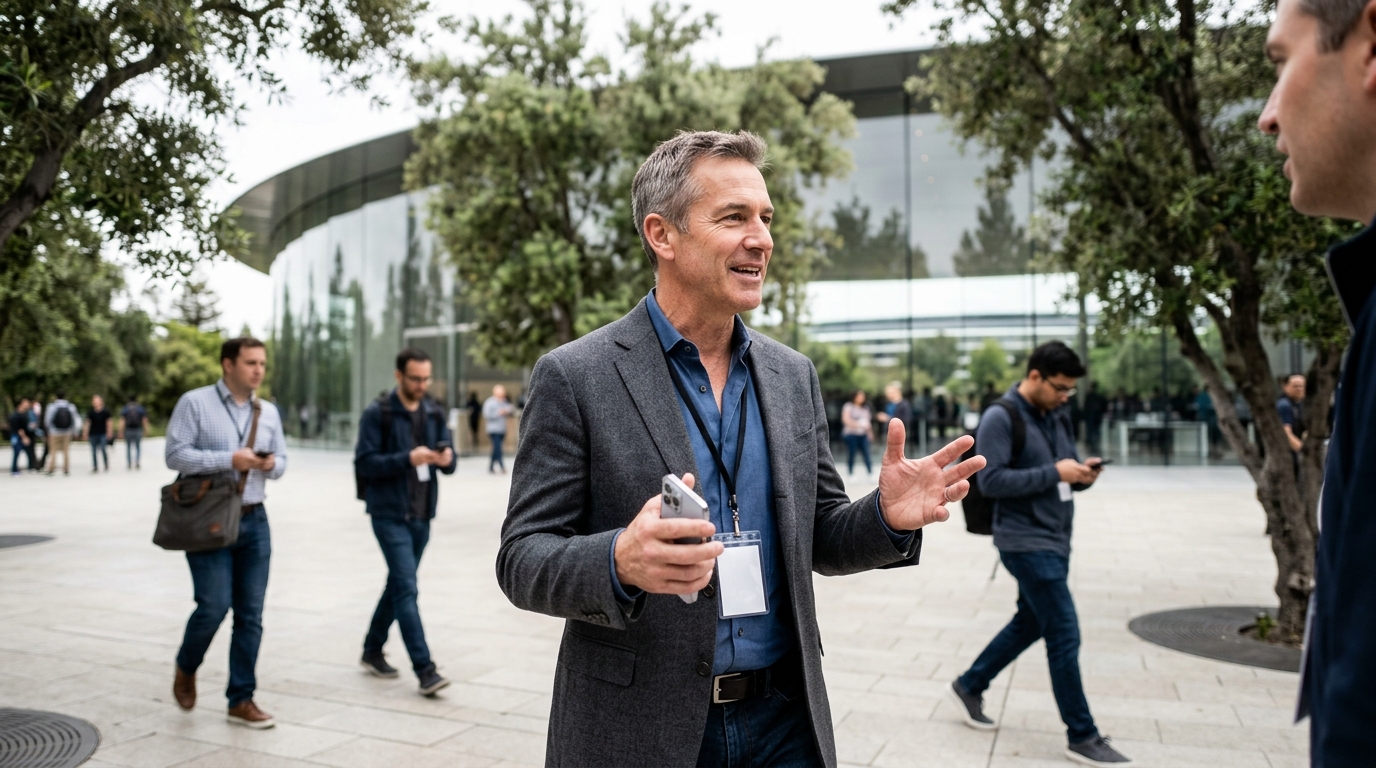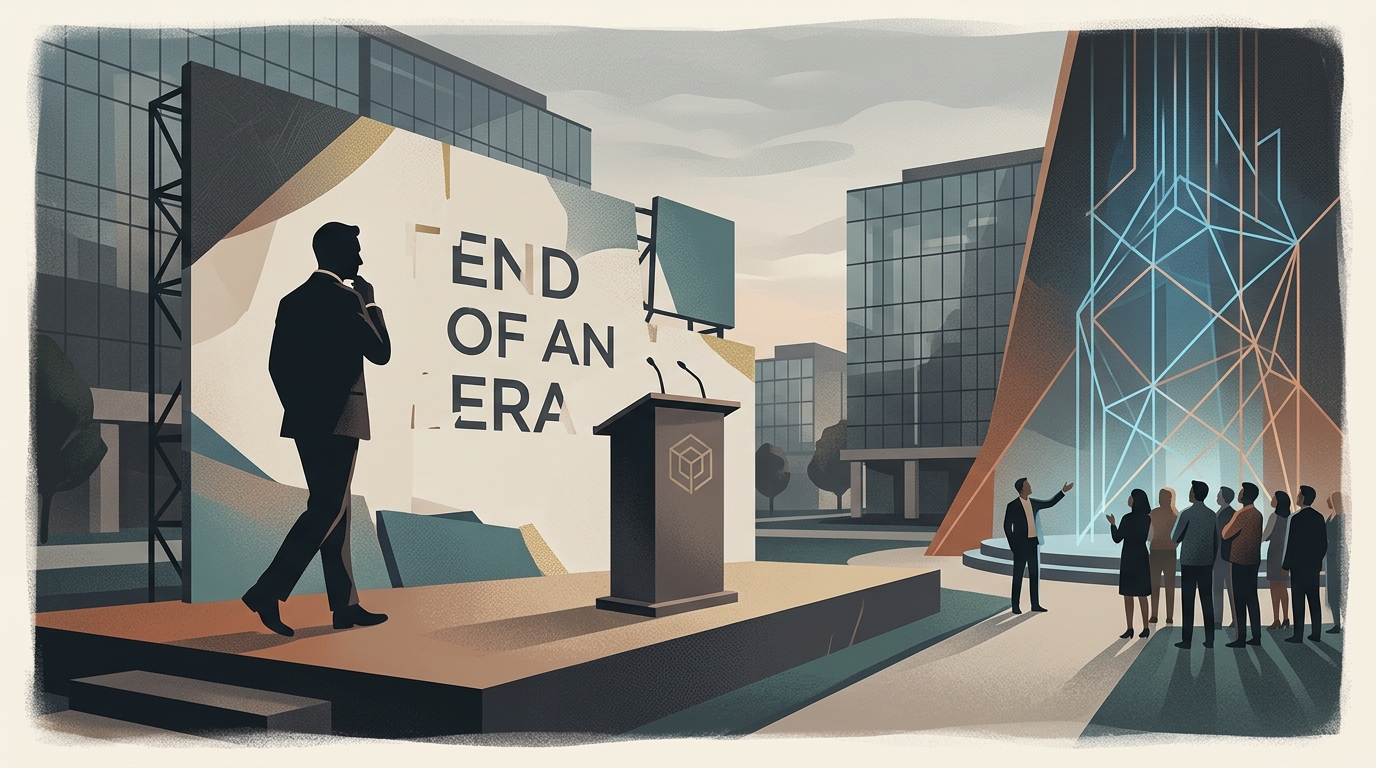
The announcement of Drew Houston’s departure as CEO of Dropbox is more than just a leadership change in a tech firm. It is the formal certification of the end of an era for Silicon Valley: the era of "simple cloud storage." Houston, who co-founded the company in 2007 with Arash Ferdowsi, was one of the last remaining founder-CEOs of the Web 2.0 generation still at the helm. His decision to step down now, in May 2026, comes at a pivotal moment as Dropbox attempts to reinvent itself, transforming from a digital "file cabinet" into an intelligent, AI-driven work partner.
A 20-Year Legacy: From MIT to Global Dominance
The Dropbox story famously began with a forgotten USB drive. Houston, then a student at MIT, grew tired of losing his files and decided to build a solution that would make them accessible from anywhere. This simple idea evolved into a behemoth that today serves over 700 million registered users. However, the journey was far from linear. Houston is legendary for his 2009 refusal to sell the company to Steve Jobs, after the Apple founder warned him that Dropbox wasn’t a "product," but a "feature" that could easily be replicated. For years, Houston fought to prove Jobs wrong, building an ecosystem that withstood relentless competition from Google, Microsoft, and Amazon.
In the years following the company’s 2018 IPO, Dropbox found itself in a strategic quagmire. While consistently profitable, growth slowed as cloud storage became a low-margin commodity. Houston’s leadership in recent years has been focused on finding the "second act," which finally materialized in the form of generative AI. His departure is not being interpreted as a resignation due to failure, but rather as a calculated changing of the guard, ensuring the company has leadership 100% dedicated to an AI-first strategy.
The Existential Pivot to AI and Dropbox Dash
Dropbox isn’t just investing in AI; it is betting its survival on it. With the introduction of tools like Dropbox Dash and Dropbox AI, the company is attempting to solve the problem of information fragmentation. In a world where employees use dozens of different apps (Slack, Zoom, Google Docs, Notion), Dropbox wants to be the connective tissue — a universal search engine and assistant that understands the context of your files and conversations. Houston had repeatedly stated that the company's mission was shifting from "storing your files" to "organizing your work."
- Dropbox AI: The ability to summarize long documents and answer questions about folder content instantly.
- Dropbox Dash: An AI-powered search bar that connects all work platforms into a single interface.
- Personalization: Using machine learning models to predict which files a user will need before they even search for them.
This pivot requires a different type of leadership and a radical restructuring of the workforce. As early as 2023 and 2024, the company underwent significant layoffs, replacing traditional engineering roles with AI specialists. Houston’s departure is the final piece of this puzzle, allowing a new CEO — likely one with deep experience in Large Language Models (LLMs) — to lead the company into this new epoch.
The Road Ahead: Challenges and Opportunities
The market greeted the news with cautious optimism. Dropbox remains a company with strong cash flows, but the challenge is immense. It must convince users to pay for AI services in an environment where Microsoft integrates Copilot directly into Windows and Office. Dropbox’s independence, once its greatest asset (its ability to work well with everyone), is now a liability as the "Big Tech" players close their ecosystems around their proprietary AI solutions.
"Dropbox has always been the Swiss Army knife of the internet. Today, however, the world doesn't just need a knife; it needs a digital brain," says a Morgan Stanley analyst.
Houston is expected to remain on the board, maintaining an advisory role, while rumors suggest he may found a new venture studio focused exclusively on AI applications for science. His departure closes the chapter on "storage" and opens the one on "synthesis." Whether Dropbox can survive as an independent entity or will eventually become an acquisition target for a larger player hungry for its data remains to be seen. What is certain is that the Silicon Valley we knew in 2007 no longer exists, and Houston was the first to realize it.