In the high-stakes world of global politics and corporate leadership, certainty is often viewed as the ultimate currency. Yet, for Dana Perino, the first Republican woman to serve as White House Press Secretary, leaving the halls of power wasn't a moment of triumph, but one of profound existential dread. In a retrospective that gains new weight in the landscape of 2026, Perino shares how the 43rd President of the United States, George W. Bush, fundamentally reshaped her philosophy on professional growth, teaching her that rigid planning is the enemy of true success.
The Psychology of the Bubble and the Fear of the Void
Working at the White House is not merely a job; it is an all-consuming identity. For Perino, the conclusion of the Bush administration in 2009 meant losing a structured environment where every second was accounted for and every word carried global weight. She admits she was "terrified" of what came next. This fear didn't stem from a lack of talent, but from the crushing belief that she needed to have the next decade of her life mapped out with surgical precision.
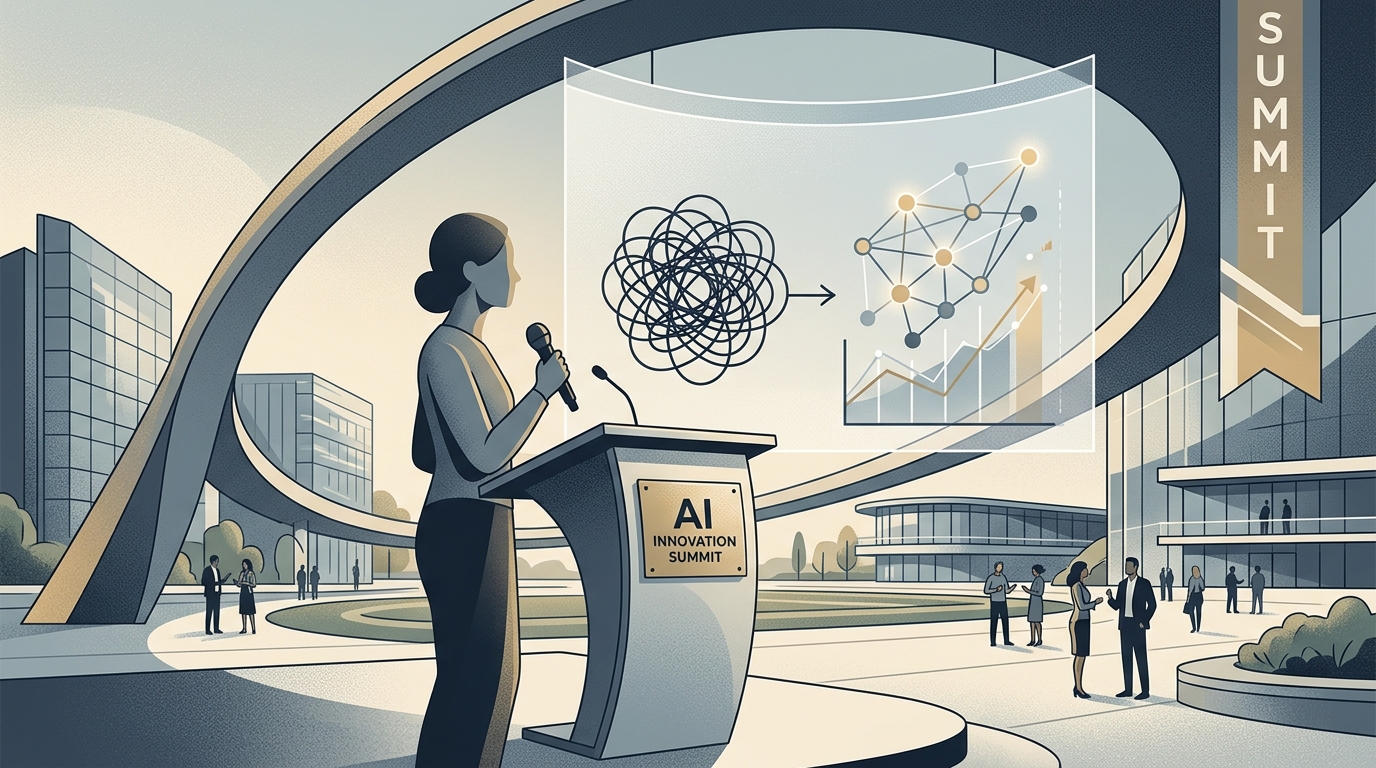
In today's labor market, where Generative AI redefines roles and industries within months, Perino’s anxiety resonates with millions of professionals. The pressure to "future-proof" our lives in an exponentially changing world creates a form of strategic paralysis. Perino was at that exact crossroads until George W. Bush offered a piece of advice that would alter her trajectory: "Don’t try to over-plan the future. Do your job now as well as you possibly can, and the doors will open themselves."
The Philosophy of the Unplanned Career
Bush, a leader who often relied on gut instinct and decisive action, noticed his staffer’s distress and intervened. He explained that rigid career planning is, in fact, a limitation. If you have pre-decided what your next step must be, you effectively blind yourself to opportunities that don't fit your preconceived pattern—opportunities that could potentially lead to much greater heights.
"The President taught me that if you focus too much on where you want to be in five years, you lose the opportunity to excel at what you are doing today. And it is today’s excellence that creates tomorrow," Perino reflects.
This approach is radical in a culture obsessed with "five-year plans." In the AI era, where the skills required today might be obsolete tomorrow, the ability to remain agile and focus on the quality of current output is the only real form of job security. Perino applied this lesson by transitioning from political communications to the media world, becoming one of the most recognizable voices on Fox News—a role she had never "planned" while serving in the West Wing.
Navigating the AI Disruption with a 2000s Mindset
Perino’s story isn't just about politics or media; it’s about the new work ethic required for the 21st century. As AI models take over technical planning and data analysis, humans are being called to cultivate what Bush called "presence." The ability to sense shifts in your environment and adapt without the fear of losing control is the ultimate survival skill.
- Embracing Uncertainty: Instead of fearing the unknown, we must view it as a space of infinite possibility.
- The Value of Reputation: Perino didn't find her next role through a resume, but through the reputation she built by performing under immense pressure.
- The Collapse of Silos: Careers are no longer linear. Moving from one industry to a completely different one is the new normal.
In the corporate context of 2026, leaders are looking for individuals who don't have "locked" minds. Bush’s advice to Perino is more relevant today than ever: obsessing over the future steals the energy required to master the present. Perino, now a seasoned journalist and analyst, emphasizes that her greatest success came when she stopped trying to control it.
Conclusion: The Future Belongs to the Agile
Ultimately, Dana Perino’s journey reminds us that a career is not a map to be followed blindly, but a sea to be navigated. George W. Bush didn't just give her career advice; he gave her a life lesson in resilience. In a world where technology changes the rules of the game daily, being "terrified" of the future is human, but remaining tethered to an old plan is fatal. Success in the AI age doesn't go to those who predict tomorrow, but to those who are prepared enough—and brave enough—to welcome it however it arrives.