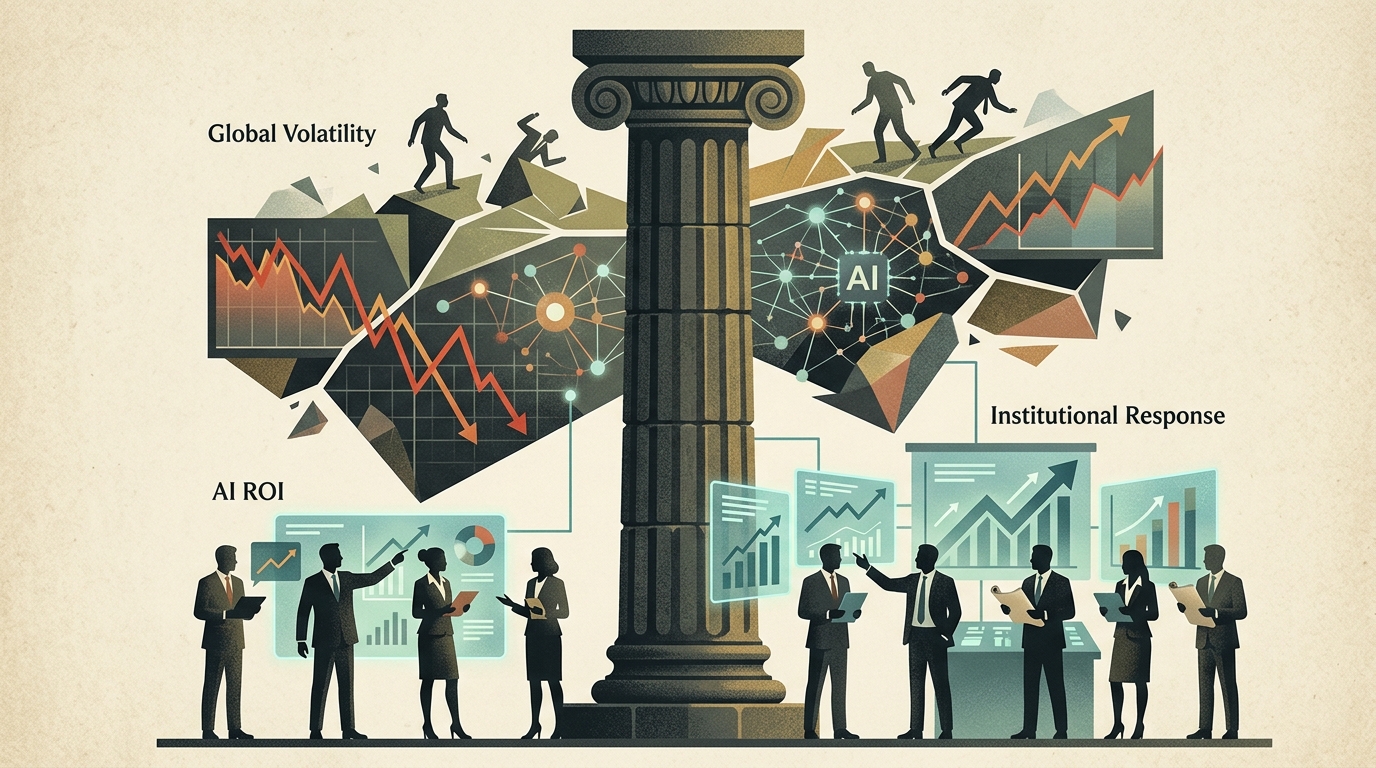
The recent awarding of the Nobel Prize in Chemistry to Demis Hassabis and John Jumper for AlphaFold should have been the ultimate moment of triumph for Google DeepMind. Instead, the atmosphere at the King's Cross headquarters in London and Mountain View in California is anything but celebratory. Behind the public accolades, the tech giant is experiencing an "existential identity crisis" as the pressure for immediate commercialization of AI products clashes with the academic freedom the company once promised.
The Clash of Pure Research vs. Profit
For years, DeepMind operated as a semi-autonomous "university" within Alphabet, aimed at solving intelligence. Its acquisition in 2014 was predicated on the promise that it would remain shielded from short-term market demands. However, the emergence of ChatGPT and the meteoric rise of OpenAI forced Google to pivot. The merger of DeepMind with the Google Brain division in 2023 signaled the end of that autonomy. Researchers who once freely published groundbreaking studies are now being asked to work feverishly on improving Gemini to stem the decline in stock price and search market share.
This shift toward "product" instead of "discovery" has caused significant friction. Top scientists feel that compute resources (GPUs) are now exclusively funneled into revenue-generating projects, sidelining more ambitious, long-term endeavors. "We didn't join to build chatbots for ads," a former senior researcher reportedly stated anonymously.
The Allure of OpenAI and Anthropic’s Ethical Edge
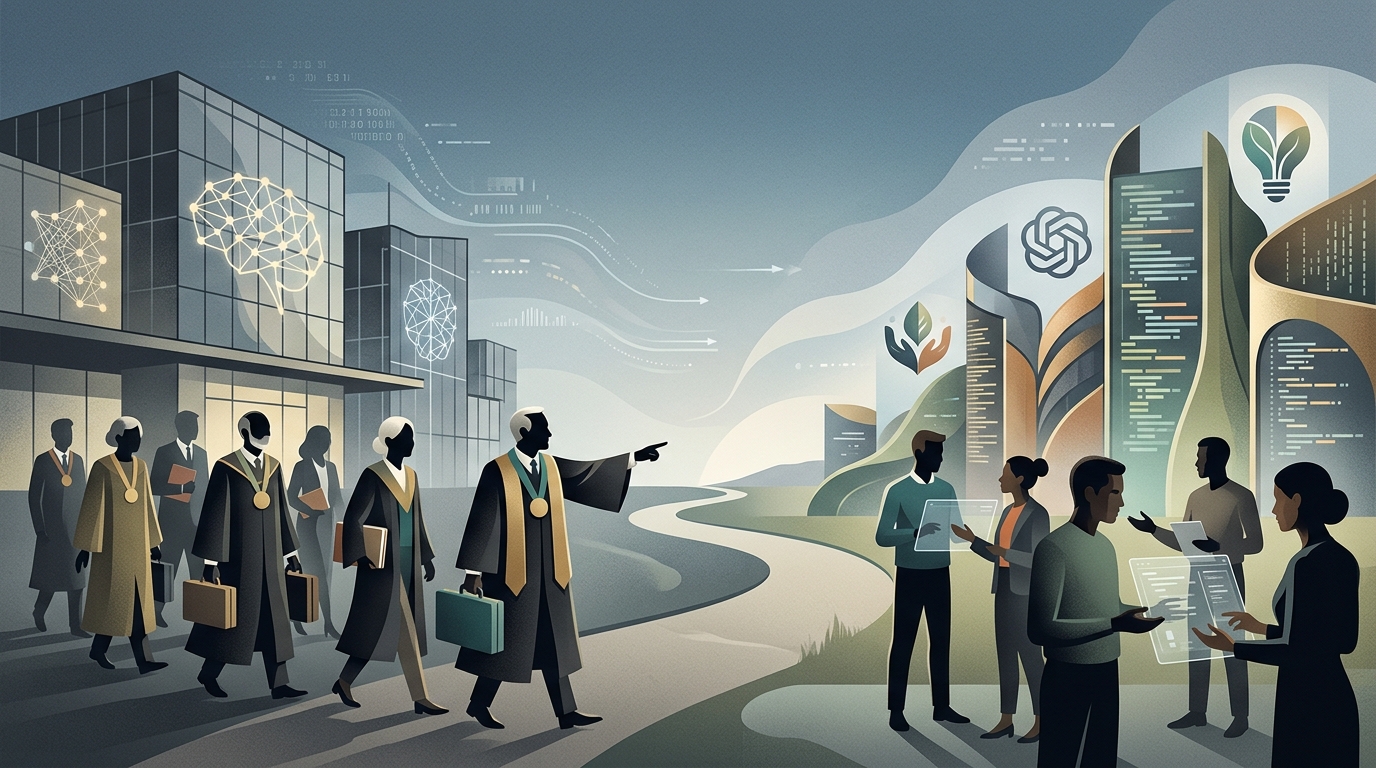
While Google grapples with the bureaucracy of a 180,000-employee organization, OpenAI and Anthropic offer what Google has lost: speed and focus. OpenAI, despite its internal drama, remains the "magnet" for those wanting to be at the bleeding edge of AGI (Artificial General Intelligence). On the other hand, Anthropic—founded by former OpenAI executives who disagreed with commercialization—attracts DeepMind researchers interested in AI safety and the ethical dimension of the technology.
- Financial Incentives: Despite Google's high salaries, equity in pre-IPO startups like OpenAI, valued in the tens of billions, offers a wealth potential that Alphabet’s mature stock simply cannot match.
- Decision Making: At Google, an idea might require months of approval from legal and ethical boards. At OpenAI, implementation can happen in weeks.
- Access to Compute: Microsoft (for OpenAI) and Amazon/Google (for Anthropic) now provide computing power comparable to what Google once monopolized.
The "Noam Shazeer Case" and the Defection Model
The recent return of Noam Shazeer to Google, following a multi-billion dollar deal to acquire Character.ai, highlights Alphabet's desperation. Google essentially had to pay a "ransom" to bring back one of its top scientists, whom it had allowed to leave just a few years prior. This "leave-start-sell back" model creates a dangerous precedent and undermines DeepMind's internal hierarchy.
"Google has the classic innovator's dilemma. It is so large and has been so successful in the past that it is afraid to risk the present to win the future," note Silicon Valley analysts.
In conclusion, DeepMind remains an idea factory, but Google is struggling to keep the "architects." If Alphabet fails to find the balance between corporate discipline and research freedom, it risks becoming a "talent pipeline" for its competitors, losing its leadership in the most critical technological race of the century.