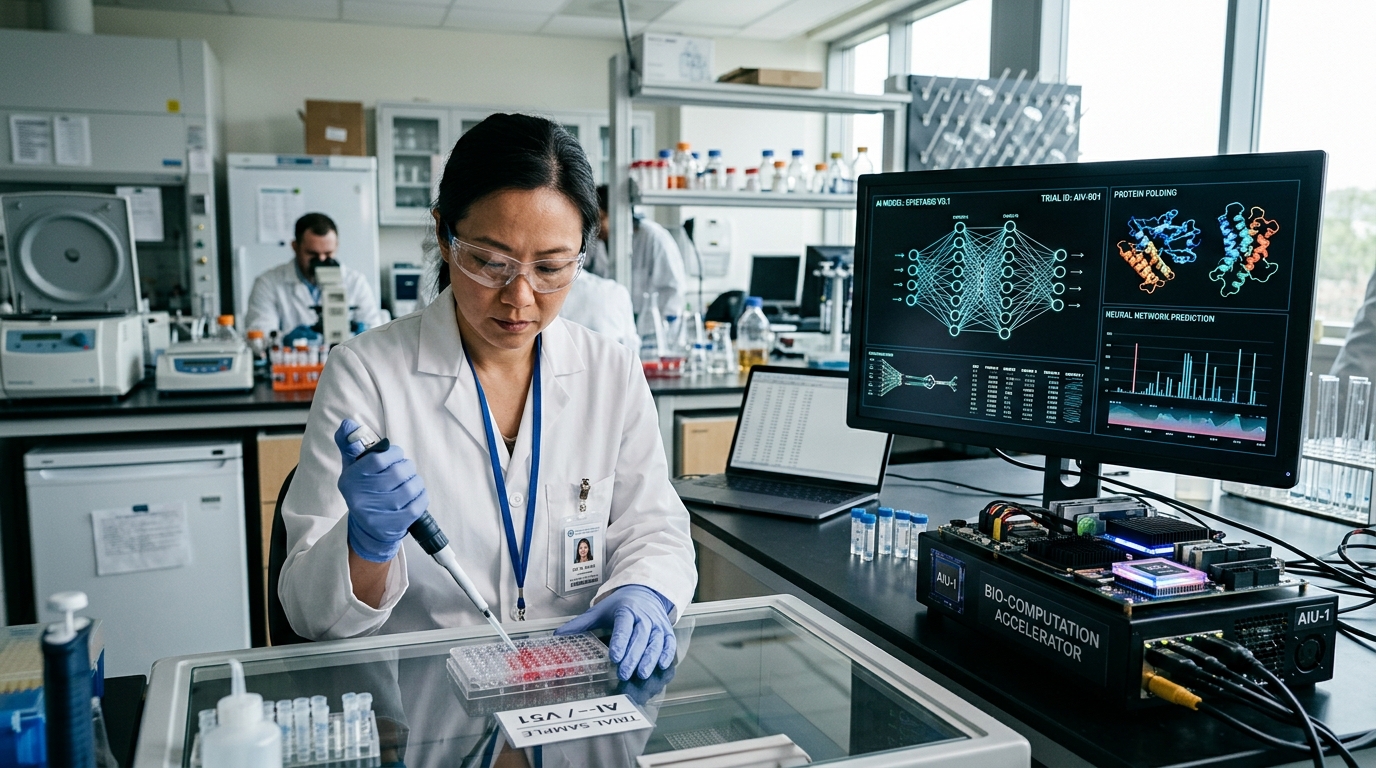
In the high-stakes world of global pharmaceuticals, few companies have managed to transform themselves with the speed and decisiveness of AstraZeneca. From the days of uncertainty and takeover attempts a decade ago, the giant led by Pascal Soriot has evolved into an undisputed leader in biotechnological innovation. Today, the company sets an exceptionally ambitious goal: the launch of 20 new medicines by 2030, many of which are expected to fundamentally change the treatment of cancer, rare diseases, and cardiovascular conditions.
Artificial Intelligence as a Catalyst in Drug Discovery
The traditional drug discovery process is notorious for its cost and duration. It often takes over 10 years and billions of dollars for a molecule to travel from the lab to the pharmacy shelf. AstraZeneca, however, is disrupting this model by placing Artificial Intelligence (AI) at the heart of Research and Development (R&D). Through the use of machine learning, the company's scientists can now analyze vast volumes of genomic data to identify new therapeutic targets with a precision that was unthinkable a few years ago.
Partnerships with companies like BenevolentAI and investment in internal AI labs allow AstraZeneca to predict the success of clinical trials before they even begin. The use of Generative AI in protein design means that researchers can digitally "construct" antibodies, dramatically reducing the time for preliminary testing. This digital approach is not just a technical upgrade but a strategic choice to ensure sustainability in a market that demands increasingly specialized therapies.
Oncology: The Pillar of Growth
The largest part of the 20-medicine bet concerns oncology. AstraZeneca has already established its presence with drugs like Tagrisso and Enhertu, which have changed the landscape for lung and breast cancer treatment, respectively. The next phase includes antibody-drug conjugates (ADCs), which act as "smart bombs," delivering chemotherapy directly to cancer cells without harming healthy tissues.
The company's strategy is not limited to treatment but extends to early diagnosis. Through real-time data analysis and digital patient monitoring, AstraZeneca aims to turn cancer from a terminal illness into a manageable chronic condition. This holistic approach is what sets it apart from its competitors, as it combines biology with digital technology to improve patient survival rates.
Rare Diseases and the Alexion Legacy
The $39 billion acquisition of Alexion Pharmaceuticals was a turning point. With this move, AstraZeneca gained access to a highly profitable market: rare diseases. While these diseases affect a small number of people individually, they collectively impact millions worldwide. Research in this field is difficult, but using AI to identify genetic patterns accelerates the development of orphan drugs. The company is now investing in gene therapies that promise permanent solutions to genetic disorders, opening a new path for precision medicine.
Challenges and the Geopolitical Context
Despite the optimism, the road to 2030 is not without obstacles. Pressure to reduce drug prices, particularly in the US through the Inflation Reduction Act (IRA), poses a significant challenge to the company's revenue. Furthermore, competition from giants like Eli Lilly and Novo Nordisk in the obesity and diabetes sectors forces AstraZeneca to remain vigilant. Geopolitical instability also affects supply chains, with the company attempting to diversify its production base away from over-reliance on specific regions.
In conclusion, AstraZeneca is not just betting on new drugs, but on a new health paradigm where information technology and biology are inseparable. If it achieves the goal of 20 new formulations, it will not only boost its financial figures but offer hope to millions of patients who currently face therapeutic dead ends. The future of health is being written in code and laboratory trials, and AstraZeneca seems to hold the pen.