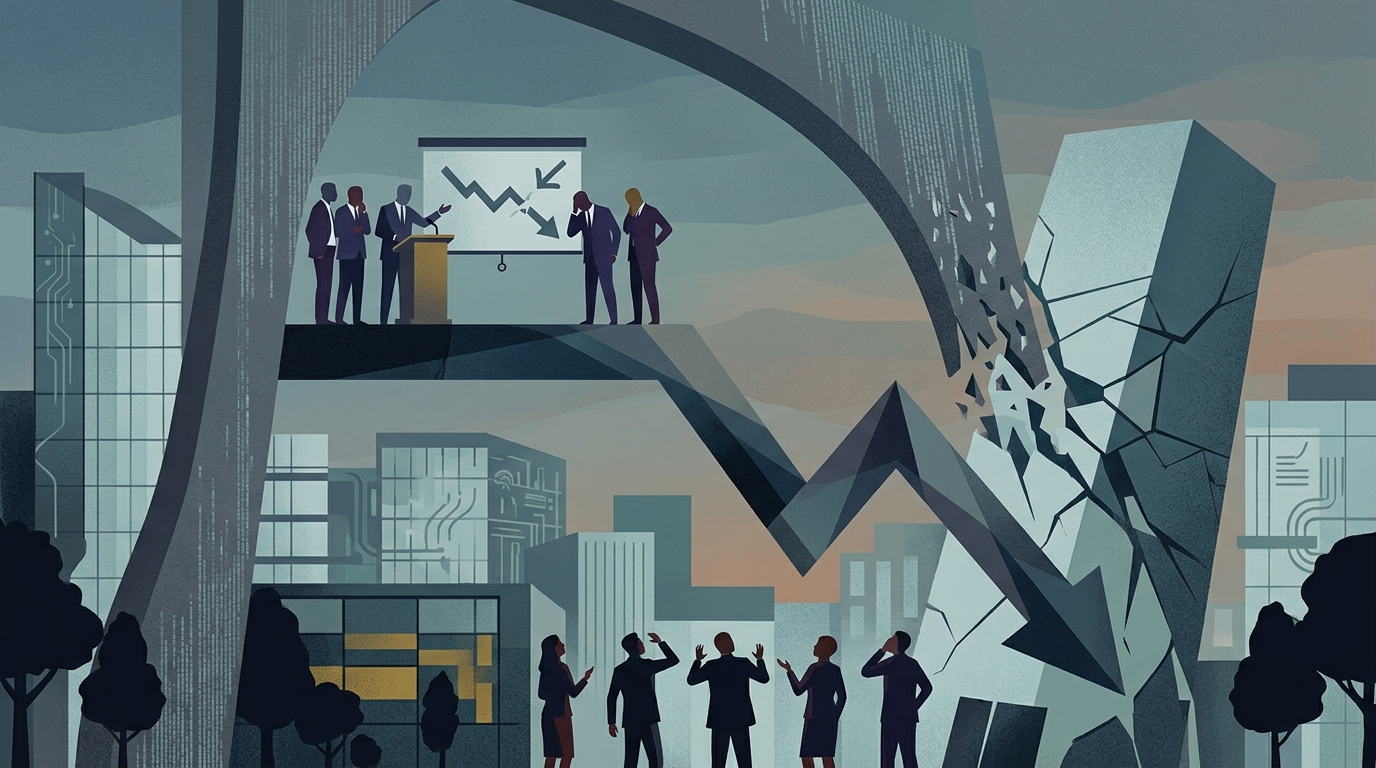
In the heart of Silicon Valley, the long-standing "gentleman's agreement" between tech giants is collapsing in spectacular fashion. Apple, the perennial guardian of the closed ecosystem, has filed an explosive lawsuit against OpenAI, the company that began as a research lab only to become the ultimate arbiter of the AI market. This move marks a radical shift in the relationship between the two entities, which until recently were collaborating to integrate ChatGPT into the iOS operating system.
The Talent Drain and Espionage Allegations
According to court filings, Apple alleges that OpenAI implemented a "systematic and coordinated strategy" to poach critical engineers from its chip design (Apple Silicon) and AI software development divisions. Apple claims that at least a dozen former employees, who held key positions, took confidential data regarding the energy efficiency of Neural Engines—the technology that allows AI to run locally on a device without draining the battery.
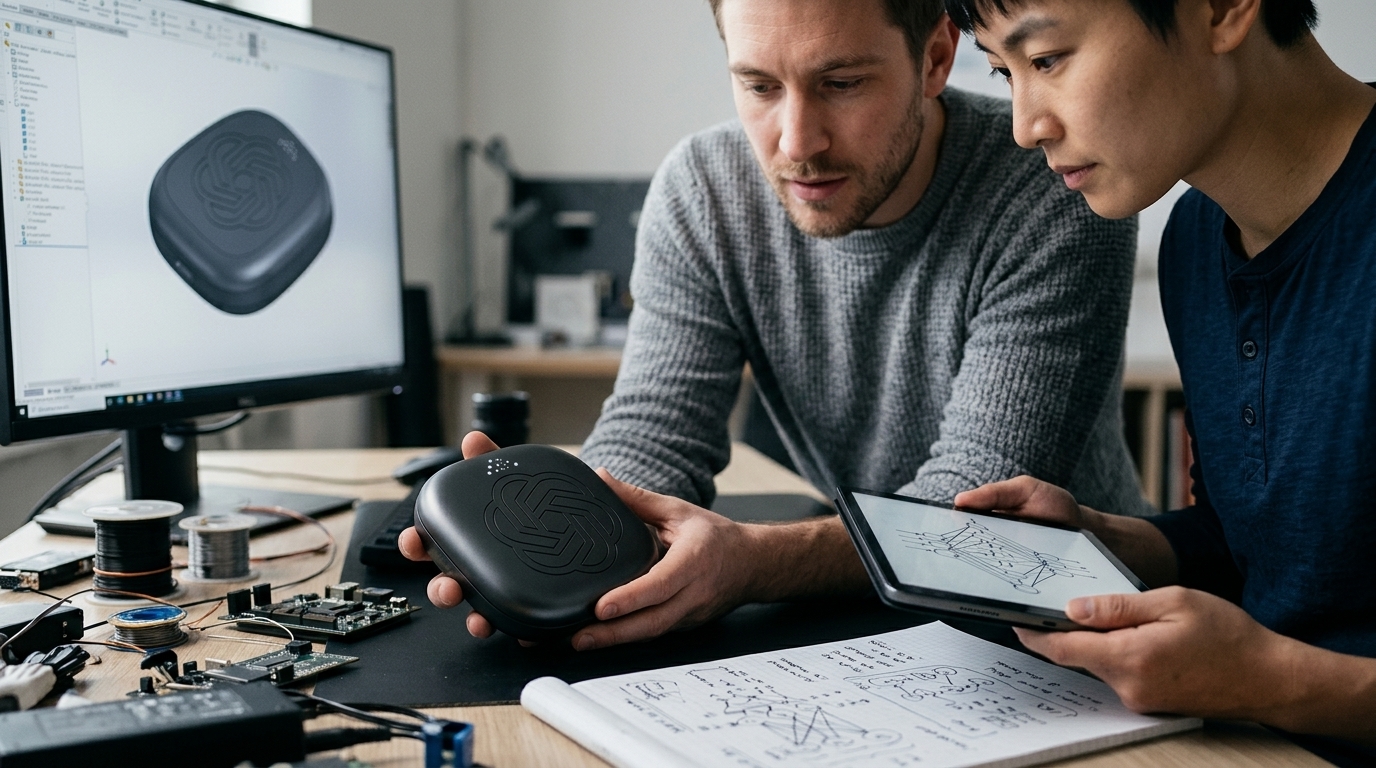
The lawsuit is not limited to human resources. Apple alleges that OpenAI, under the leadership of Sam Altman, is attempting to "replicate the iPhone's architecture" for a new generation of AI hardware. Rumors of OpenAI's collaboration with legendary designer Jony Ive seem to have been the final straw for Cupertino, as Apple now views OpenAI not as a partner, but as a direct competitor threatening its dominance in consumer devices.
Hardware as the New Battlefield
This conflict highlights a broader market shift. As artificial intelligence moves from the cloud to the "edge" (directly onto phones and computers), hardware control becomes as vital as algorithms. The Bloomberg report regarding SK Hynix and the surging demand for AI memory (HBM) underscores this exact point: the battle will be decided in the supply chain and in the ability of companies to manufacture chips capable of handling billions of parameters in real-time.
OpenAI, having secured massive funding, appears to be pursuing vertical integration. If it succeeds in creating a device that makes the iPhone look "obsolete"—perhaps through an interface based entirely on voice and vision—Apple risks losing its position as the primary gateway for users to the digital world. The allegations of trade secret theft are the legal "fortress" Apple is building to delay or block this evolution.
Implications for the Ecosystem and Regulation
This legal battle is expected to last for years, but its implications are already visible. First, the partnership between Apple Intelligence and OpenAI is now on thin ice, which may force Apple to accelerate investments in its own large language models (LLMs) or turn toward Google and Anthropic. Second, regulators in the US and EU are closely monitoring the case, as Apple is frequently accused of monopolistic practices, while OpenAI is under scrutiny for the immense power it is consolidating.
"This isn't just a hiring dispute. It's a war over who will define the form of the personal computer for the next twenty years," says a prominent market analyst.
In conclusion, Apple's move shows that the era of "romantic" AI development is over. Now begins the phase of hard-nosed capitalism, patents, and border protection. Apple, which once taught the world what a smartphone is, refuses to hand over the keys to its empire without a fight to the finish.