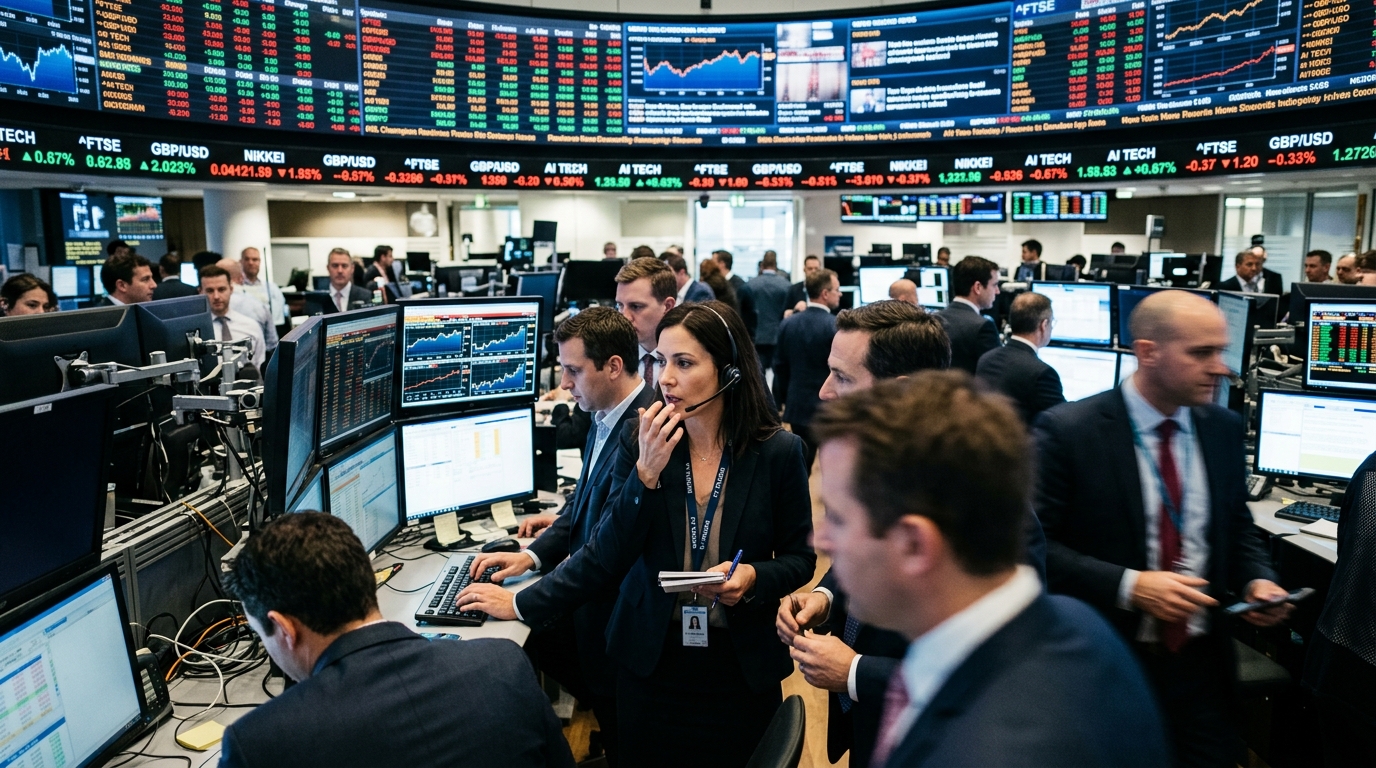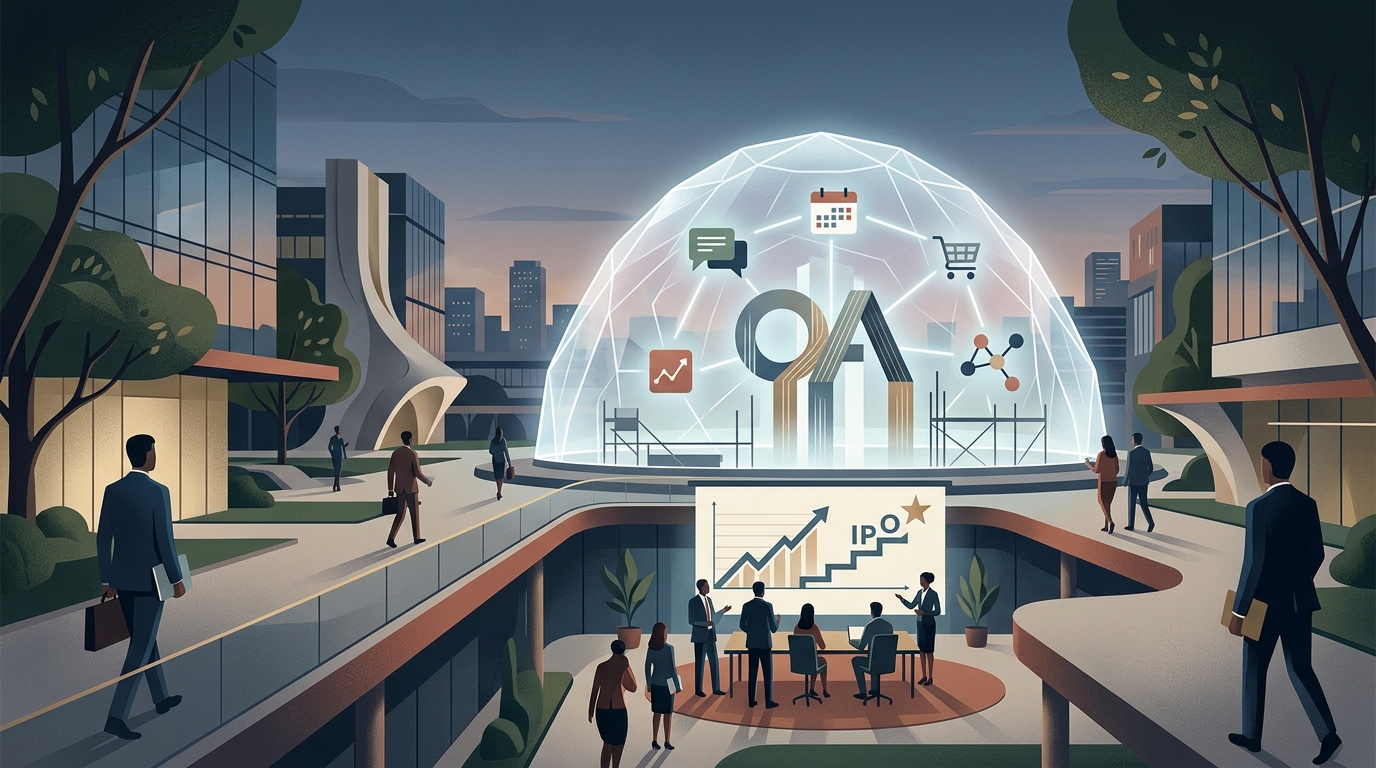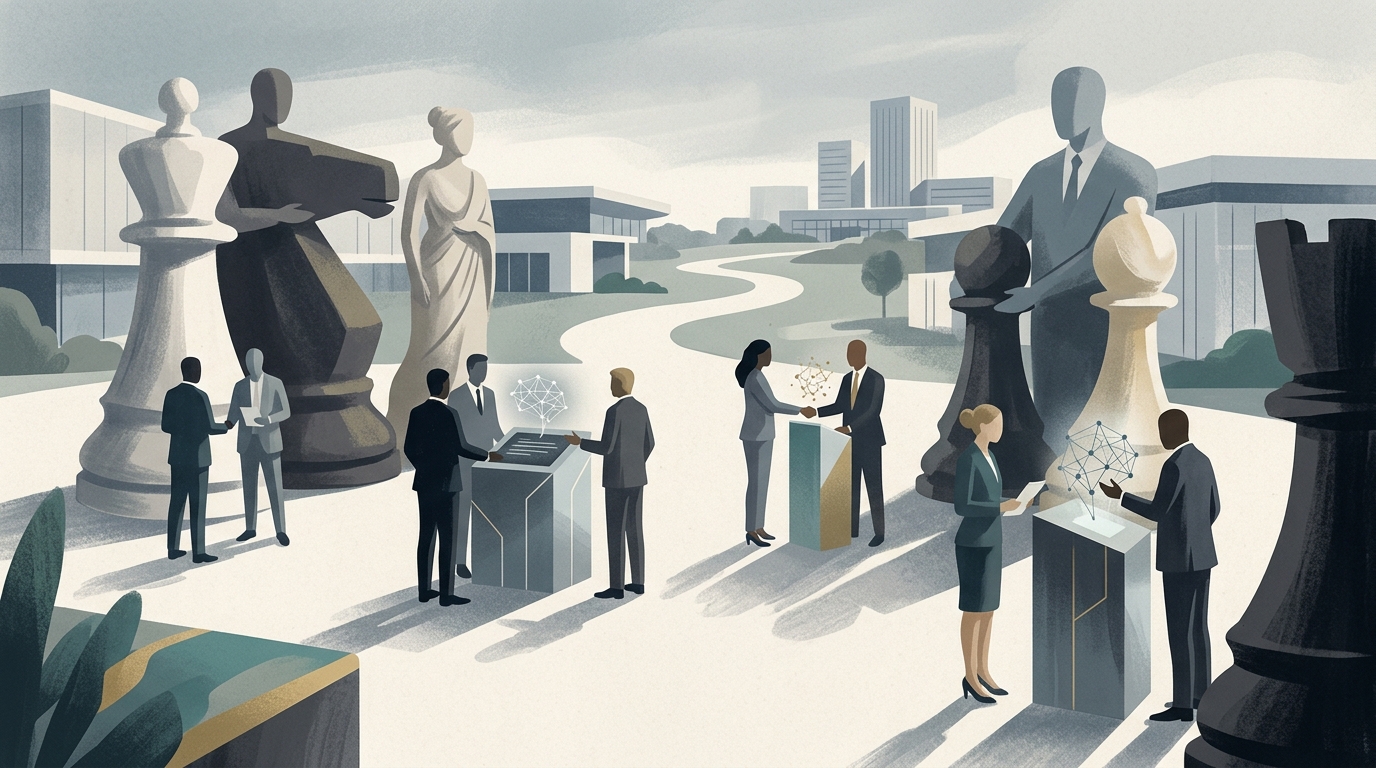
In the rapidly evolving chessboard of artificial intelligence, Anthropic, the company behind the Claude model, is making a strategic move that marks the end of the AI labs' 'age of innocence' and the beginning of a relentless commercial war. The announcement of its partnership with investment titans such as Goldman Sachs, Blackstone, and Sapphire Ventures is not merely financial news; it is a fundamental shift in the business-to-business (B2B) distribution model of AI technology.
The 'Trojan Horse' Strategy via Wall Street
Until recently, Anthropic relied heavily on cloud providers—primarily Amazon and Google—to reach its customers. However, this dependency carries inherent risks, as these providers are simultaneously developing their own competing models. The new alliance with investment funds acts as a novel distribution channel. These funds offer more than just capital; they provide access to their vast portfolios of companies.
When Goldman Sachs recommends Claude to its clients or the companies it finances, the model's credibility skyrockets. This is a strategy of 'warm introductions' at scale. These enterprises, which often handle sensitive data and require high levels of security, see Anthropic as a partner that emphasizes 'Constitutional AI'—a framework promising more controlled and ethical model behavior compared to the competition.
Decoupling from Cloud Giants and the OpenAI Rivalry
Anthropic's move comes at a time when OpenAI, under Sam Altman's leadership, is pursuing a similarly aggressive sales policy. The battle for who will dominate the 'operating system' of the future enterprise has begun. Anthropic seems to realize that technological superiority is insufficient if not accompanied by a robust distribution network.
By partnering directly with institutional investors, Anthropic can bypass the 'tolls' of major cloud providers and build direct relationships with end-users. This allows the company to collect more targeted data on industry needs and tailor Claude for specialized applications, such as legal analysis, risk management, and supply chain automation. Furthermore, the partnership with Blackstone—the world's largest owner of commercial real estate and one of the largest alternative investment managers—opens doors to sectors that have traditionally been slow to adopt new technology.
Claude 3.5 and the Promise of Safety
The core argument Anthropic presents to these new corporate clients is safety and precision. Unlike other models often criticized for 'hallucinations,' Claude is designed with rule-adherence in mind. For a bank or an insurance company, avoiding a legal or communicative error from an AI is far more critical than the model's creative flair.
- Transparency: Anthropic invests in model interpretability, allowing companies to understand why the AI made a specific decision.
- Adaptability: Through these new partnerships, Claude is integrated into existing workflows rather than requiring a complete overhaul of operations.
- Economic Efficiency: Direct access via funds reduces customer acquisition costs (CAC), enabling the company to reinvest more into R&D.
In conclusion, Anthropic is no longer just selling a chatbot; it is selling an infrastructure of trust. The alliance with Goldman Sachs and Blackstone serves as proof that artificial intelligence has entered the stage of full integration into the global financial and business system. The success of this venture will determine whether Anthropic remains an independent player or is eventually forced to be absorbed by one of the tech giants.