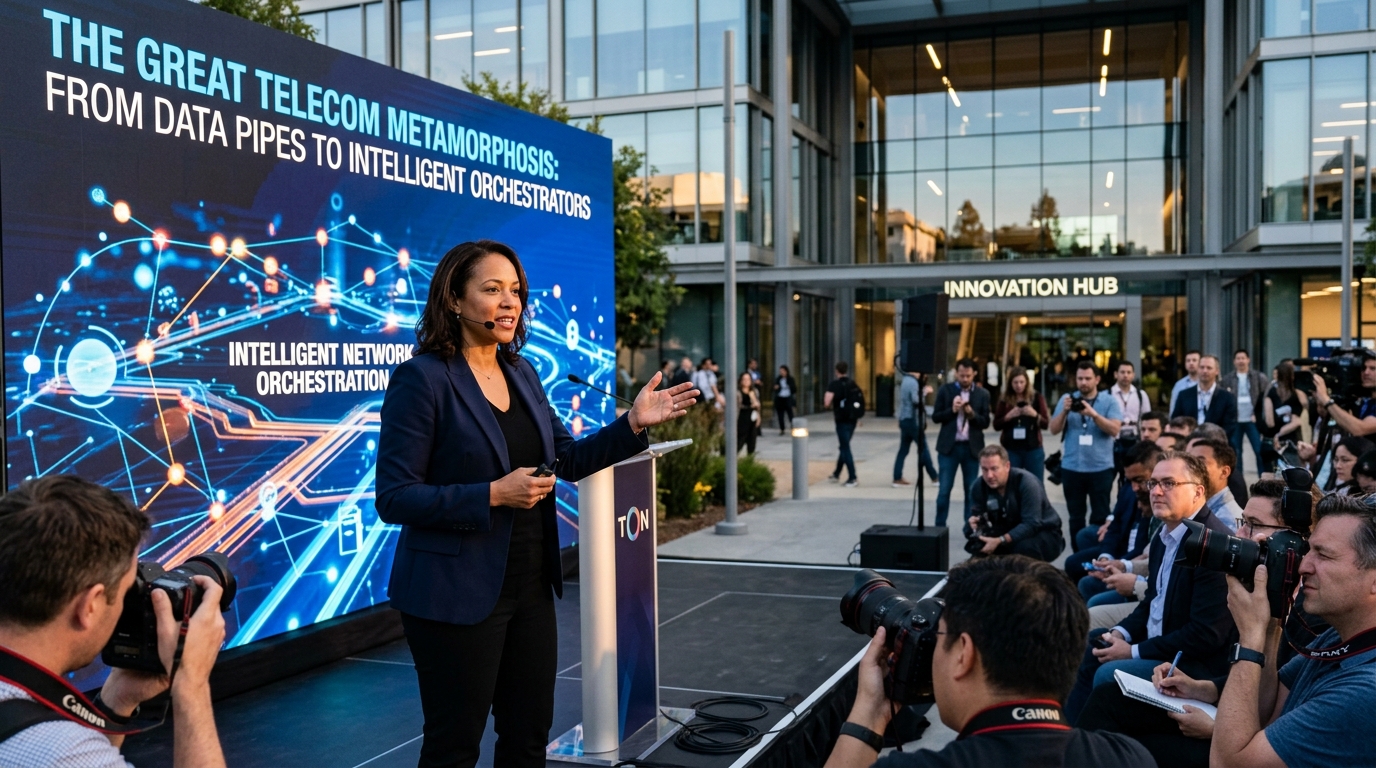
For decades, telecommunications companies (Telcos) have struggled with an existential challenge: the risk of becoming mere "dumb pipes," providing connectivity while tech giants reaped the value of the data flowing through them. Today, the advent of Artificial Intelligence (AI) offers these companies a historic opportunity to reclaim control of the value chain. This is not just a software upgrade; it is a radical transformation of how networks are operated, maintained, and monetized.
Network Automation and Predictive Maintenance
The most critical application of AI in telecommunications lies at the core of the system: the network itself. Traditionally, network management was a reactive process. A failure occurred, a signal was lost, and technicians rushed to fix the problem. With the integration of Generative AI and machine learning algorithms, we are entering the era of "self-healing networks."
Algorithms can now analyze vast volumes of data in real-time, predicting potential hardware failures before they happen. Market analysts suggest that predictive maintenance can reduce downtime by up to 30%. Furthermore, AI enables dynamic resource allocation. During a major event, such as a concert or a football match, the network can automatically redirect capacity where it is most needed, ensuring a seamless user experience.
Customer Experience in the Age of Hyper-Personalization
Customer service is perhaps the most visible area of change. Older, rigid chatbots are being replaced by sophisticated digital assistants that understand natural language and the context of requests. However, AI goes beyond simply answering questions. Companies are now using analytics to predict "churn"—the likelihood of a customer canceling their subscription.
- Analyzing usage patterns to identify dissatisfied customers.
- Creating personalized offer packages in real-time.
- Automated resolution of billing issues without human intervention.
This hyper-personalization not only improves customer satisfaction but also drastically reduces the operational costs of call centers, allowing human agents to focus on more complex and creative issues.
Energy Efficiency and Sustainability
In a world pressured by the climate crisis, telecommunications are significant energy consumers. Here, AI offers solutions that combine ecology with economy. Smart energy management systems can put parts of the network (such as mobile towers) into "sleep mode" during night hours or periods of low traffic, saving vast amounts of energy without affecting service quality.
"Artificial Intelligence is no longer an option for telcos; it is the only path to maintaining competitiveness in an environment of explosive data growth," industry executives note.
Challenges and the Path Ahead
In the global market, the transition is well underway, but significant hurdles remain. The AI talent gap and the absolute necessity for data privacy are the primary obstacles. Ethical issues, such as the transparency of algorithms that make decisions regarding customers, must be addressed with gravity. Furthermore, the high capital expenditure (CAPEX) required for these upgrades puts pressure on balance sheets.
The future of telecommunications will be determined by their ability to transform into "TechCos"—technology companies that happen to own a network. AI is the key that will unlock new revenue streams, from Edge Computing to Smart Cities, positioning telcos as the nervous system of the digital economy. The transition from connectivity providers to intelligent orchestrators is no longer a luxury—it is a matter of survival.