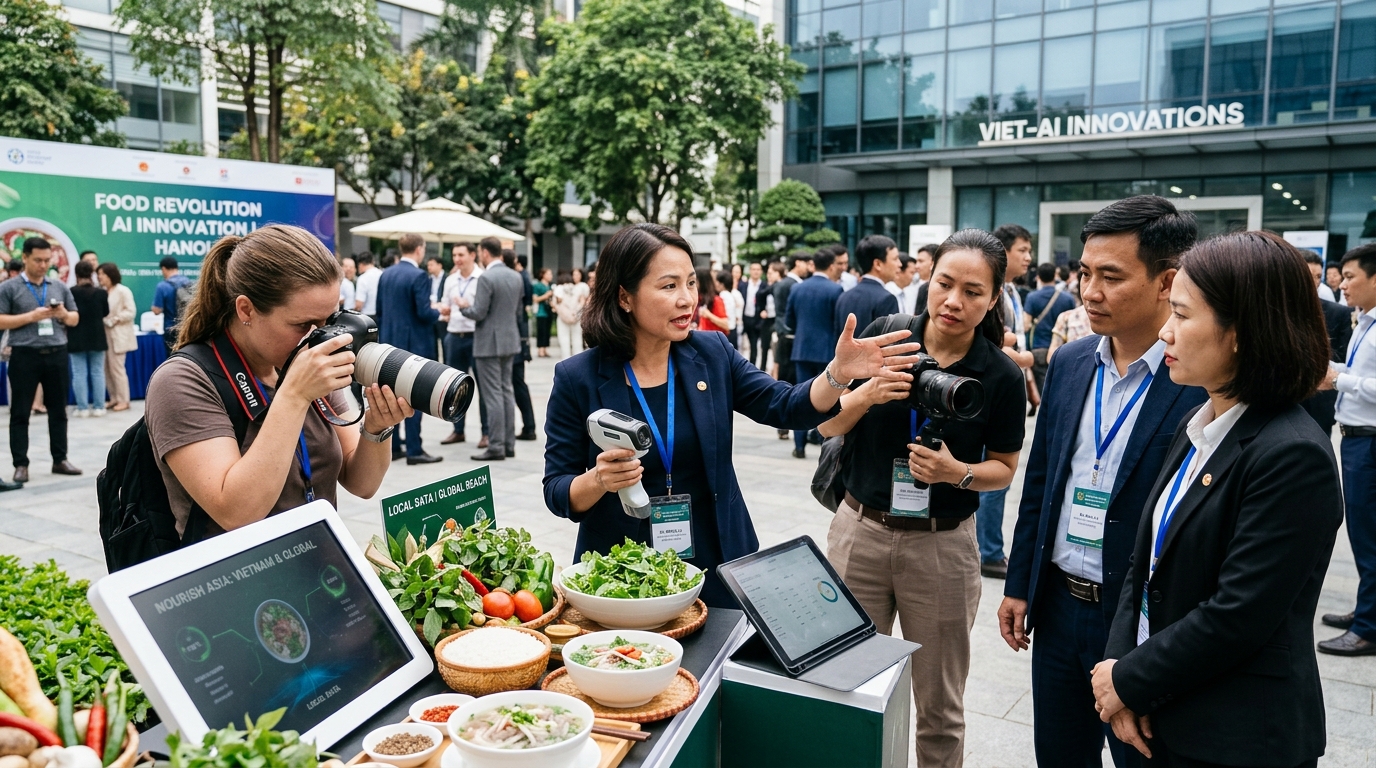
The global food and beverage industry stands at the threshold of a new era, where tradition meets high technology. Following recent developments in Vietnam — one of the world's largest exporters of agricultural products — it is becoming clear that Artificial Intelligence (AI) is no longer an experimental tool but the backbone of modern production. The integration of AI into this sector promises to solve some of humanity's most pressing challenges: food security, waste reduction, and the creation of healthier products.
Supply Chain Optimization and Waste Reduction
One of AI's most significant contributions to the food industry is its ability to predict demand with an accuracy reaching 95%. In countries like Vietnam, where climatic conditions directly affect the production of rice and coffee, machine learning algorithms analyze satellite data and meteorological forecasts to guide farmers. This not only improves crop yields but also allows processing industries to schedule their operations in a way that minimizes raw material waste.
Furthermore, AI is being utilized in smart packaging and logistics. Sensor-based systems monitor product freshness in real-time during transport. If a shipment of fruit is exposed to high temperatures, the AI system can automatically reroute the cargo to the nearest destination for immediate sale, preventing spoilage. This dynamic management is vital for the industry's sustainability.
Innovation in Product Development and Laboratory Gastronomy
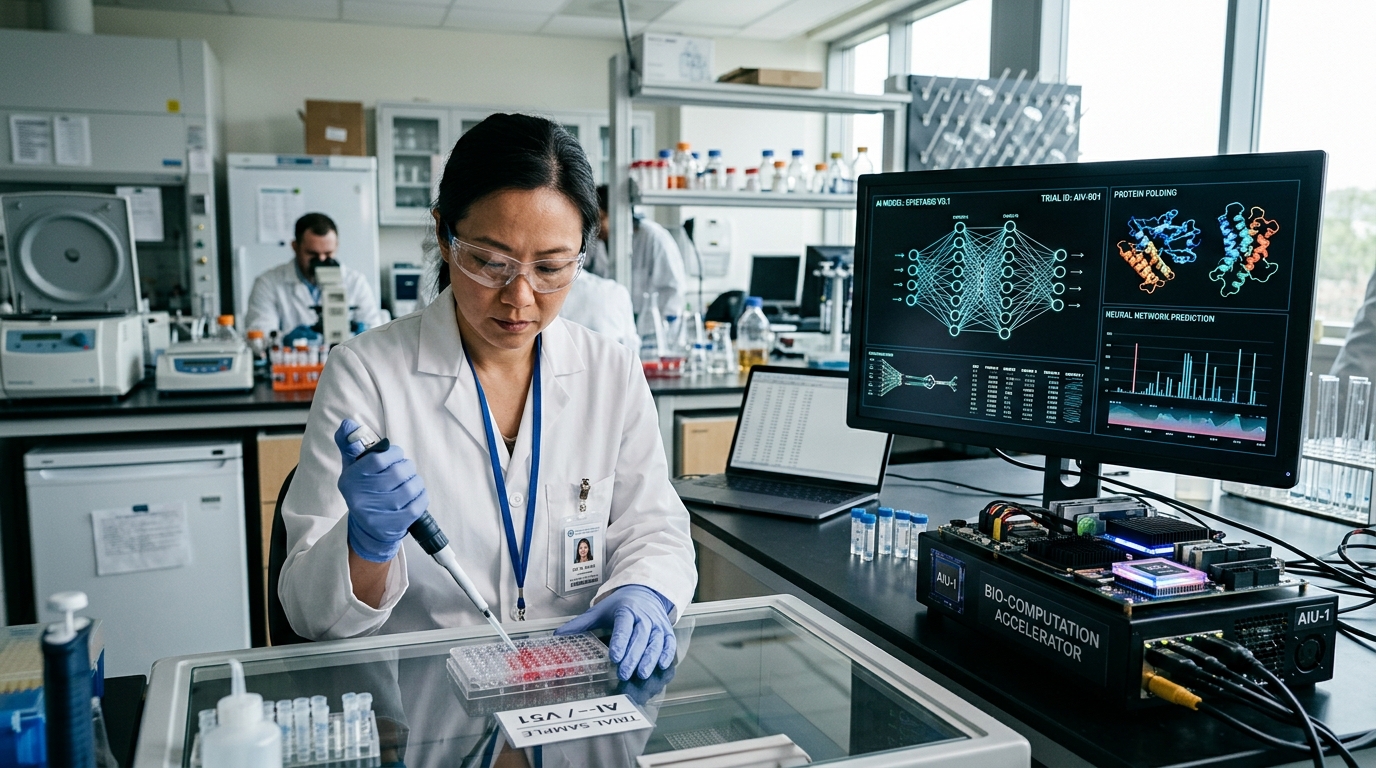
Creating new flavors and recipes traditionally took months of lab testing. Today, AI accelerates this process dramatically. Major multinationals use algorithms to analyze thousands of chemical compounds and identify combinations that will satisfy the human palate. In Vietnam, this technology is being applied to upgrade traditional products, such as fish sauce (nuoc mam), to meet international health standards without losing their authentic taste.
- Flavor profile analysis to predict consumer trends.
- Development of plant-based alternative proteins that mimic the taste of meat.
- Reduction of sugar and salt content through molecular simulation.
AI also enables "personalized nutrition." In the near future, consumers will be able to scan a product with their smartphone and receive information on how it affects their unique microbiome or allergies, thanks to AI processing data in fractions of a second.
Quality, Safety, and the Challenge of Automation
Food safety is non-negotiable. Computer vision is now used on production lines to detect foreign objects or spoilage that the human eye cannot see. From checking the quality of coffee beans to the sterilization of canned foods, AI guarantees a level of safety that was unthinkable a decade ago.
"Artificial Intelligence is not replacing the chef or the farmer; it is providing them with the eyes and ears they need to manage the complexity of the global market," say industry analysts in Vietnam.
However, this transition is not without challenges. Automation in the food industry raises questions about jobs, especially in developing economies. The need for workforce retraining is urgent. Farm laborers and factory workers must transform into digital system operators, a transition that requires government support and investment in education.
Conclusion: A Sustainable Future
The adoption of AI in the food and beverage industry, as highlighted by the example of Vietnam, is a one-way street for business survival in a competitive environment. The ability to produce more food with fewer resources is the answer to the climate crisis. The challenge for the coming years is to ensure that this technological progress benefits the entire value chain, from the smallholder farmer to the final consumer, creating a food system that is fair, safe, and sustainable.