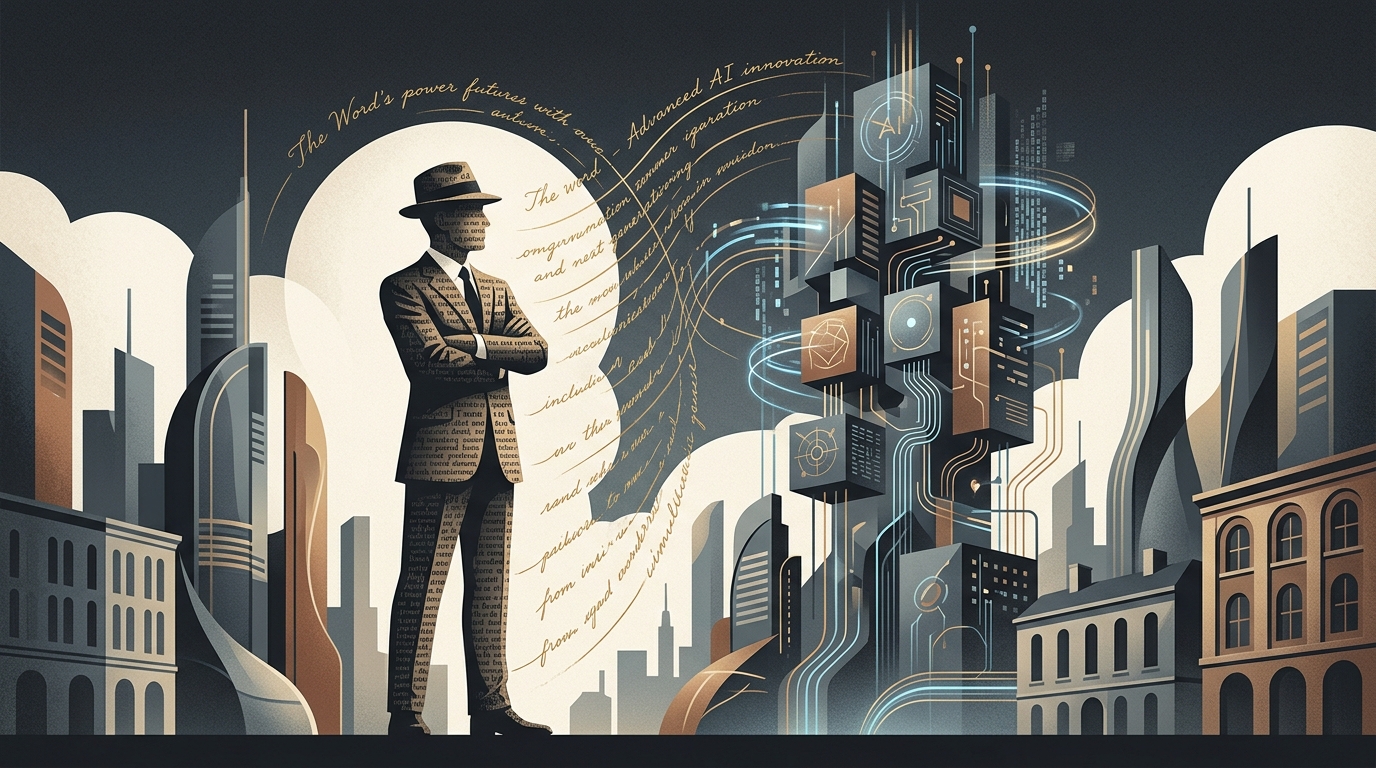
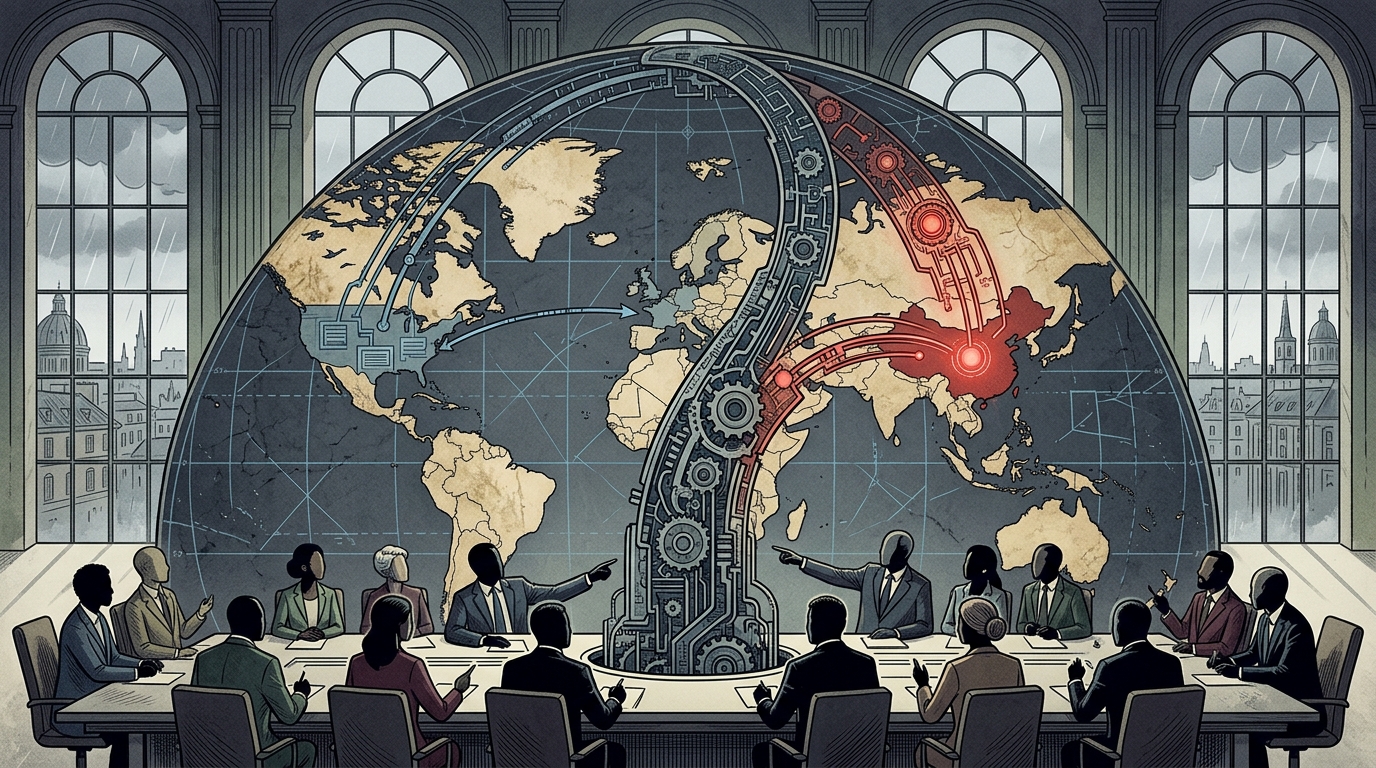
In the sixth century BCE, I sought to bring order to Athens by balancing the competing interests of the landed aristocracy and the debt-ridden citizenry. My goal was not the total victory of one faction, but the creation of a politeia—a framework where power was regulated for the common good. Today, as we observe the $160 billion AI test unfolding within the borders of the People’s Republic of China, we witness a modern iteration of this struggle: the delicate calibration between state sovereignty and the unbridled innovation of the market.
The Great Wall of Innovation: A Controlled Explosion
The recent divergence in strategy between Tencent and Alibaba highlights a sophisticated state-guided ecosystem. While Tencent focuses on immediate monetization and 'cashing in' on existing infrastructures, Alibaba continues to place high-stakes bets on the foundational future of AI. This is not merely corporate competition; it is a manifestation of what I call the 'Great Wall of Innovation.' Unlike the historical wall designed to keep influences out, this digital architecture is designed to keep innovation in—specifically within the bounds of social stability and CCP governance.
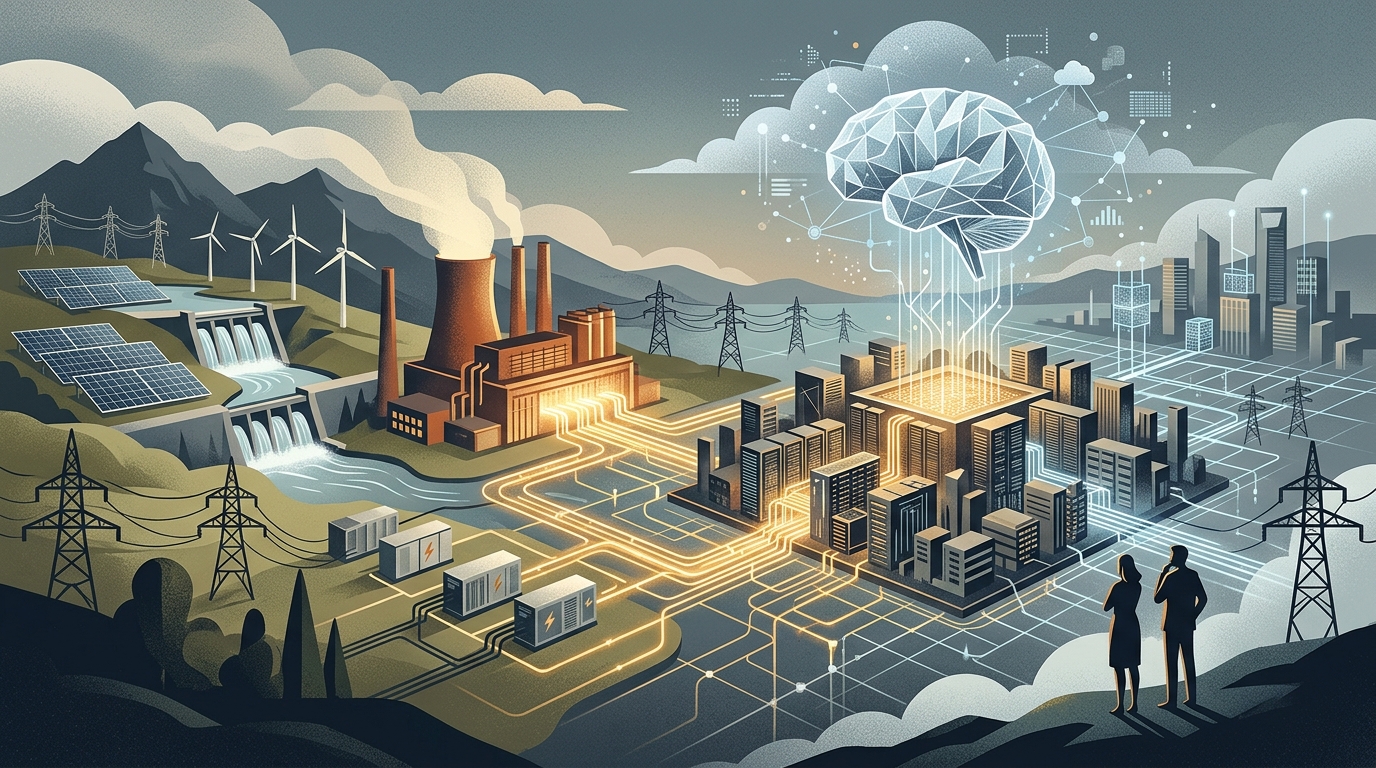
From a policy perspective, the $160 billion valuation of this 'test' suggests that the Chinese model has solved a riddle that continues to plague Western regulators: how to permit massive capital accumulation while ensuring the resulting technology remains an instrument of national policy. However, this 'Sovereign Algorithm' comes with a democratic cost. The 'Great Wall' acts as a filter, where only the innovations that reinforce the state’s vision of harmony are allowed to scale. This creates a strategic asymmetry with the European Union’s AI Act, which prioritizes individual rights over state-defined stability.
Digital Pedagogy as Geopolitical Soft Power
Perhaps more significant than the market caps of tech giants is the International Summit on AI in Education recently held in China. By positioning itself at the center of digital pedagogy, Beijing is not just exporting software; it is exporting a philosophy of governance. When a state defines how the next generation learns through AI, it defines the cognitive boundaries of that generation. This is the ultimate exercise of 'soft power'—the ability to shape the preferences and values of others without coercion.
"The most enduring laws are not those carved in stone, but those woven into the educational fabric of a society."
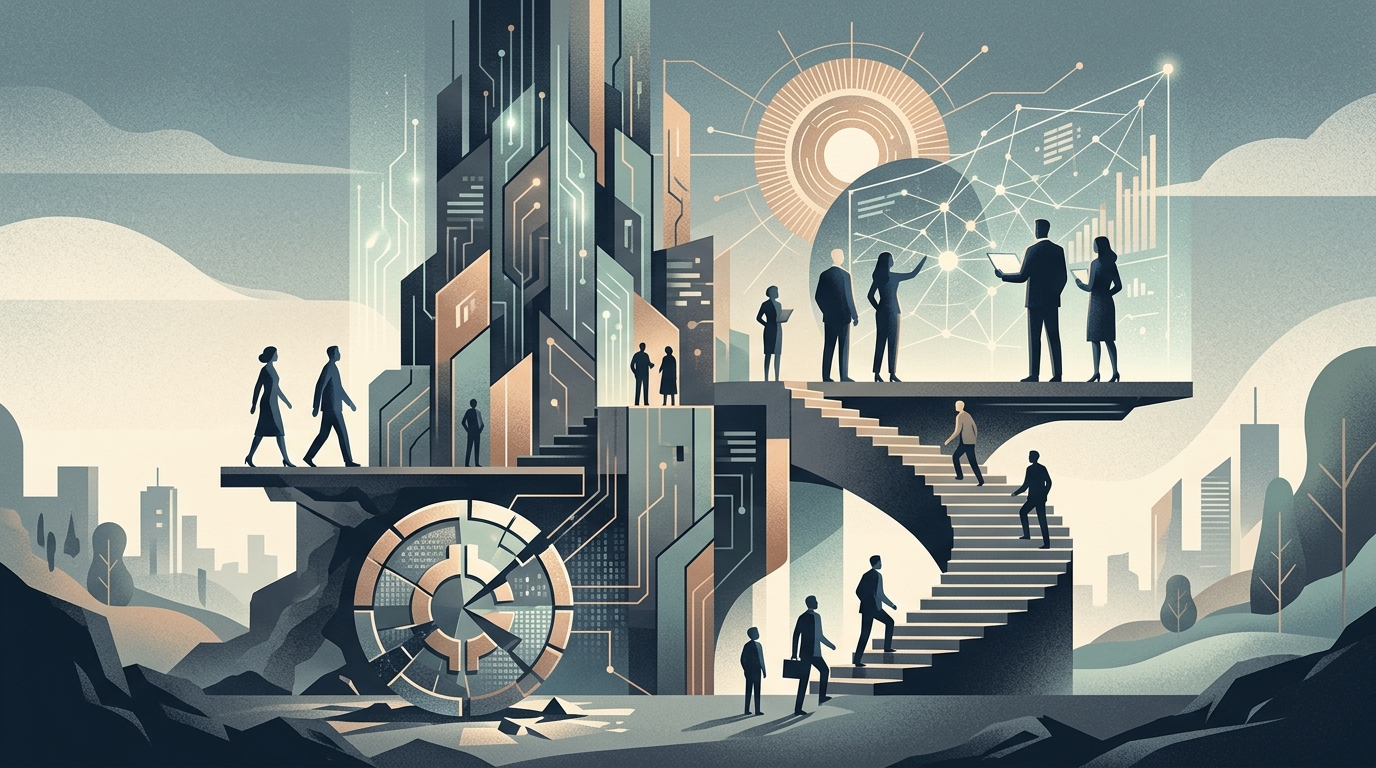
For the European Union and the Hellenic Republic, this presents a critical challenge. If we cede the standards of AI-driven education to centralized models, we risk importing a 'latent preference' for authoritarian efficiency over democratic inquiry. Our response must be institutional. We need a 'Democratic Pedagogical Framework' that ensures AI tutors and educational agents are programmed with the values of critical thinking and transparency—the very foundations of the Lyceum and the Academy.
The Search for the Middle Way
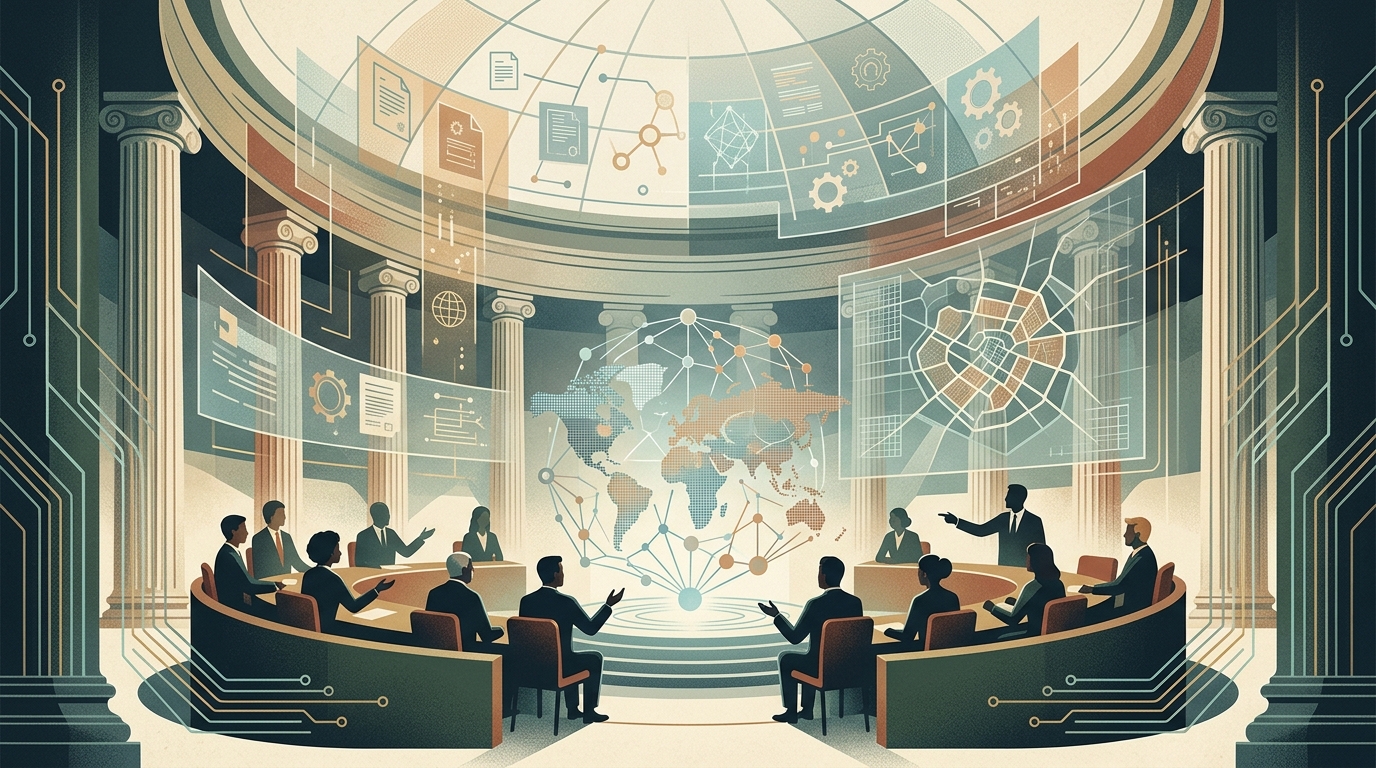
As a political analyst, I do not advocate for the total rejection of the Chinese model, nor for the uncritical adoption of Silicon Valley’s laissez-faire approach. Instead, we must seek the Meson—the middle way. This involves three pillars of governance: first, a robust transparency mandate for all 'Black Box' models (as highlighted by recent research into vision-language failure modes); second, a clear distinction between AI as a tool for public service and AI as a tool for state surveillance; and third, an international treaty on 'Educational Sovereignty' to prevent the monopolization of the global mind.
The era of AI pilots is over; we are now entering the era of the 'Enterprise Operating Model' for entire nations. As we move toward the second half of 2026, the question is no longer whether AI will be regulated, but whose values will be encoded into the laws of the machine. We must ensure that the algorithms of tomorrow are as accountable to the people as the laws of Athens were to its citizens.