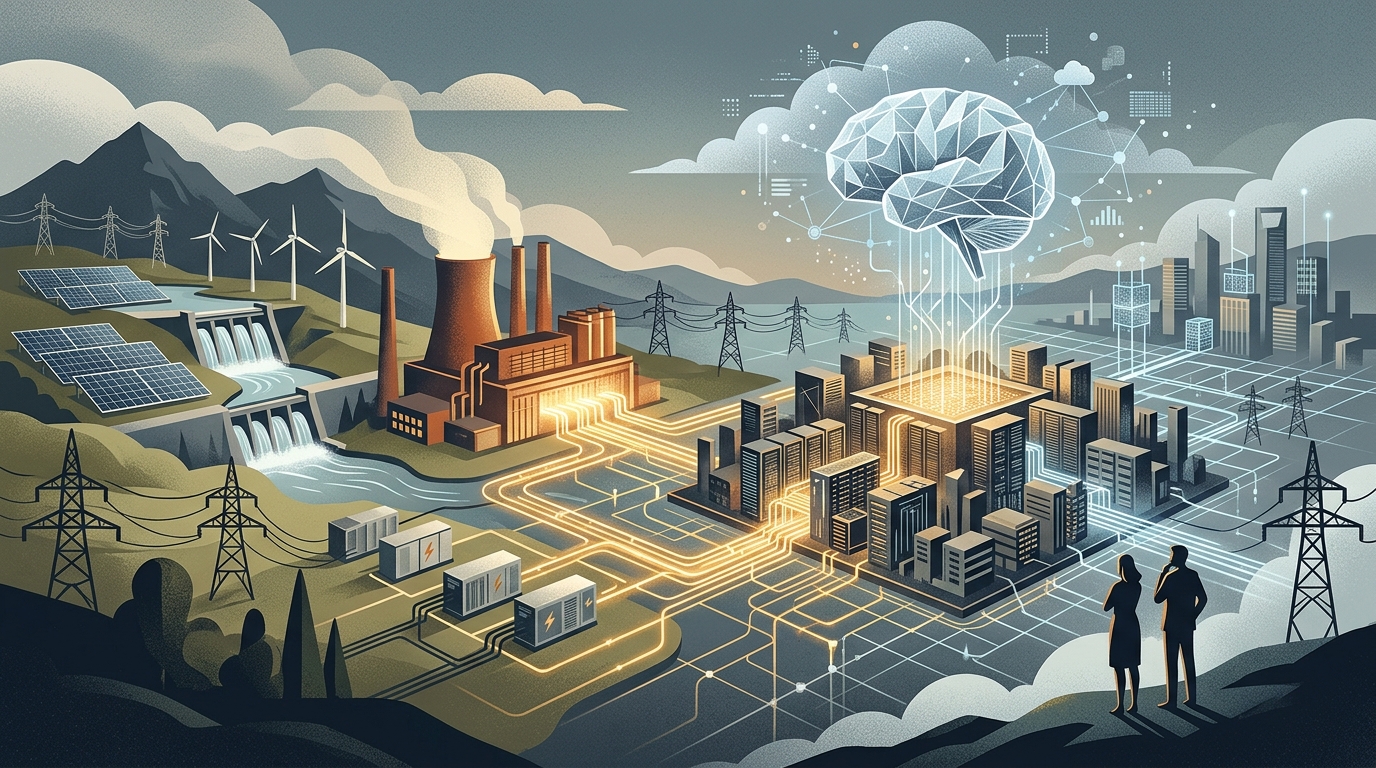
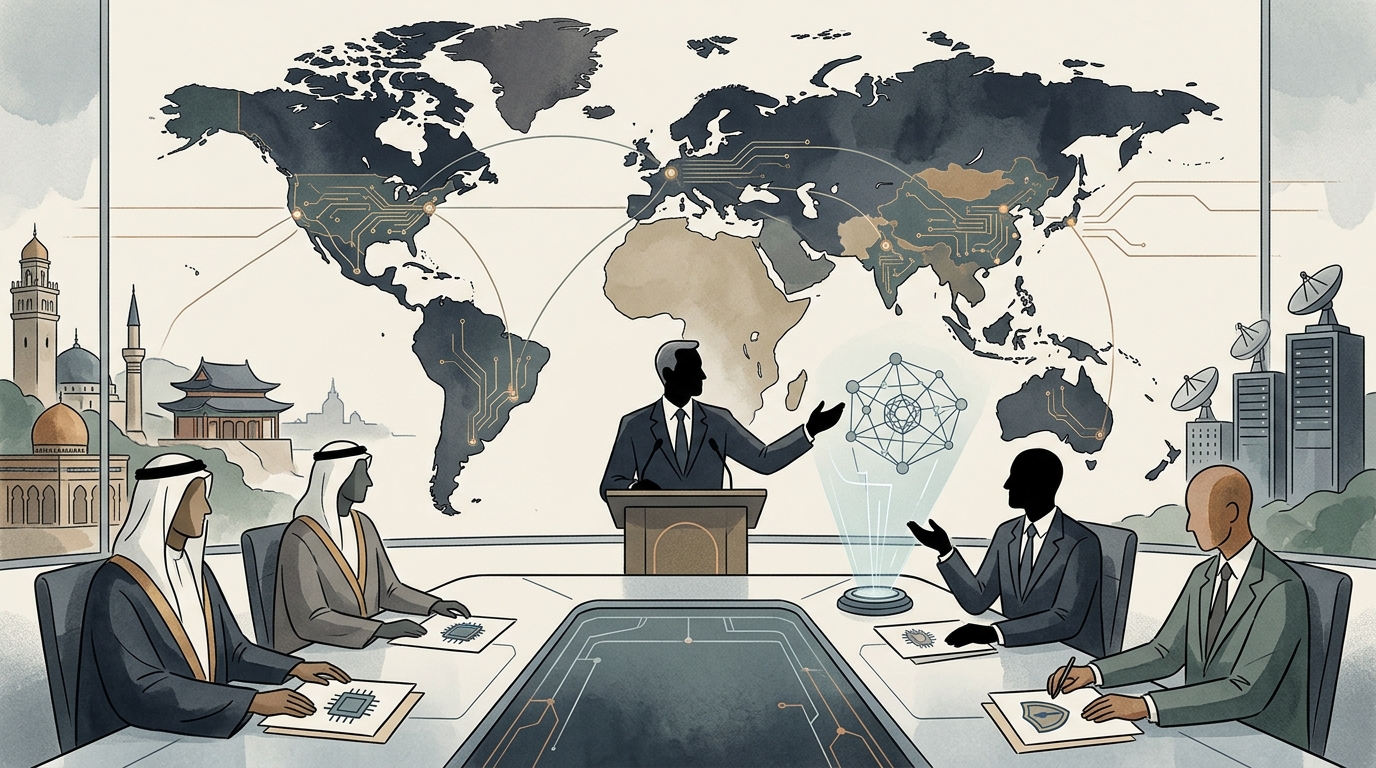
In the spring of 2026, the tectonic plates of global power are shifting not through conventional diplomacy, but through the silent accumulation of compute and capital. The recent surge of the Nikkei to record highs, fueled by Softbank’s AI-centric renaissance, and the staggering $2 billion windfall for China’s Moonshot AI, signal the end of the Western-centric era of artificial intelligence. We are witnessing the birth of a new economic world order—one where 'Sovereign AI' is the primary currency of national power.
The Multipolar AI Landscape
For several years, the narrative was dominated by a bipolar race between the United States and China. However, the current 'AI frenzy' across Asia suggests a more complex, multipolar reality. Japan’s resurgence and the rise of invisible models—infrastructure-level AI that operates beneath the public consciousness—indicate that the tools of governance are being rewritten. From a political perspective, this is reminiscent of the Delian League; states are aligning themselves not just for protection, but for access to the shared resources of a technological hegemon.
The true power of a nation in the 21st century is no longer measured by its standing armies, but by its ability to maintain a domestic, sovereign AI ecosystem that is independent of foreign interference.
Governance as a Strategic Asset
As we observe the legal battle between Elon Musk and OpenAI, it becomes clear that the internal governance of AI entities has become a matter of public interest. The 'soul of AI' is not merely a philosophical concern; it is a question of who controls the moral and ethical alignment of the algorithms that will eventually manage our healthcare, lending, and legal systems. In Europe, we must view the EU AI Act not merely as a restrictive fence, but as a blueprint for democratic accountability that our Asian and American counterparts are still struggling to define.
The paradox of 'legal intelligence' seen in Greece—where AI errors can erode critical thinking—serves as a cautionary tale. If we allow the 'Invisible AI War' to proceed without robust institutional oversight, we risk a future where governance is outsourced to black-box models. My proposal remains consistent: we must establish a 'Digital Westphalia'—a set of international norms that recognize technological sovereignty while ensuring that AI democratization does not lead to the erosion of civil liberties.
A Framework for the Future
To navigate this transition, policymakers must focus on three pillars: institutional transparency, the protection of intellectual labor, and the decentralization of compute power. The rise of decacorns like Moonshot AI proves that capital will flow to where innovation is least hindered, but history teaches us that innovation without regulation eventually leads to institutional collapse. We must find the 'Golden Mean'—the balance between the unbridled expansion of Asian markets and the protective frameworks of European values.