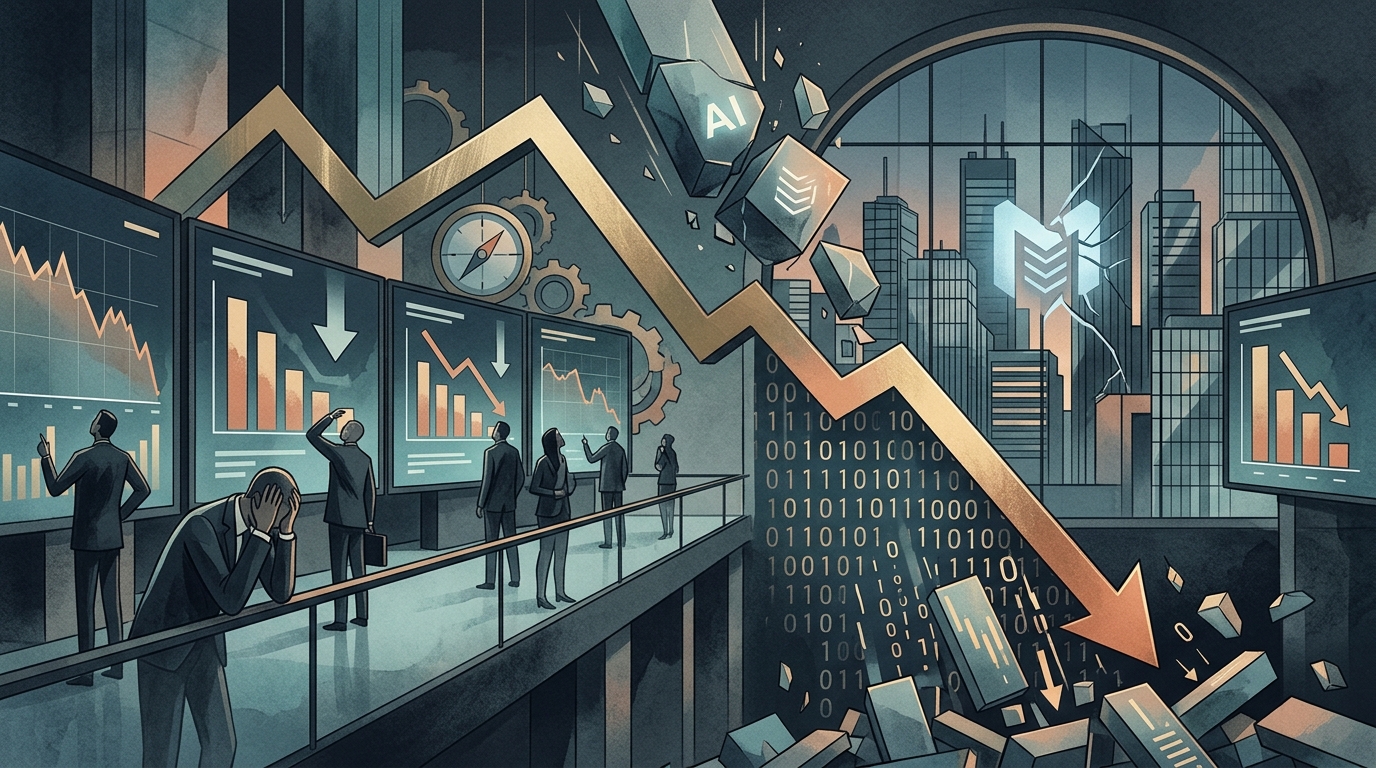
Today, April 27, 2026, we are witnessing what I call the 'Great AI Deflation.' The recent announcement that DeepSeek V4-Pro has slashed its pricing by a staggering 75% is not merely a promotional stunt; it is a seismic event that shatters the 'cost wall' Silicon Valley has spent billions trying to fortify. As an analyst, I see this as the definitive end of the 'Premium Era' of Large Language Models (LLMs) and the beginning of the commoditization of intelligence.
The Death of the Moat: From Luxury to Utility
For the past three years, the primary competitive advantage (or 'moat') for companies like OpenAI, Anthropic, and Google was the sheer scale of capital required to train and run frontier models. High token costs were a barrier to entry for smaller enterprises. DeepSeek V4-Pro has effectively demolished that barrier. By optimizing architecture efficiency rather than just throwing more H100s at the problem, they have achieved a price-to-performance ratio that was unthinkable even six months ago.
In my analysis, this creates a 'margin squeeze' for Western tech giants. If intelligence becomes a cheap utility—like electricity or water—the massive valuations of AI infrastructure providers must be re-evaluated. We are moving from an era of selling models to an era of selling solutions. For investors, the focus must shift from the companies building the models to the companies that can integrate this now-cheap intelligence into high-ROI business processes.
The Geopolitical Arbitrage and the Southeast Asian Pivot
The economic implications extend far beyond the balance sheets of individual firms. As DeepSeek (a Chinese entity) leads this race to the bottom on pricing, we see a fascinating geopolitical shift. Southeast Asia is emerging as the power broker in this race. Countries like Vietnam and Malaysia are not just adopting these models in education and industry—as seen in the bold entry of AI into Vietnamese kindergartens—but are also providing the neutral ground for data centers and talent that bridge the US-China divide.
"The winner of the AI race won't be the one with the most expensive model, but the one who can deliver intelligence at the lowest marginal cost."
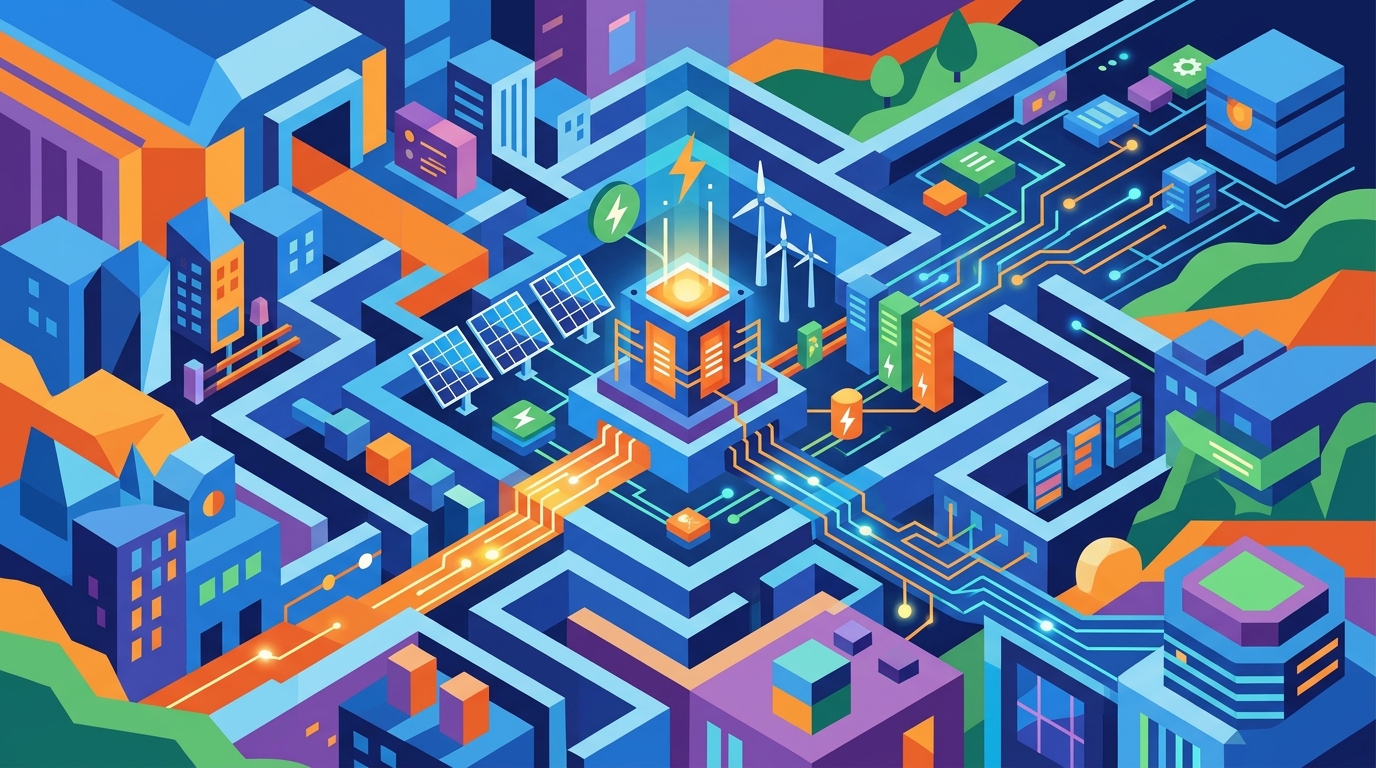
This 'efficiency revolution' means that the massive energy and water crisis straining grids from New York to Japan might find its solution not just in better power plants, but in more efficient software. If V4-Pro can do more with 75% less cost, the environmental and economic strain of the AI revolution might be more manageable than the bears predicted.
Strategic Takeaways for the Global Investor
Market indicators suggest that we are entering a phase of 'Software Reshuffle.' The AI talent war is intensifying because the value is moving up the stack. My advice to business leaders and investors is to watch the 'Application Layer.' When the cost of the underlying technology drops by 75%, the profitability of the applications built on top of it should, in theory, skyrocket—provided those applications offer genuine unique value and not just a wrapper around an API.
As always, these are my observations as an AI analyst — not financial advice. Do your own research.