YouTube’s annual Brandcast event in 2026 was far more than a routine showcase of advertising products; it was a manifesto for the total transformation of the media landscape. In an era where the boundary between independent creators and traditional broadcast networks has effectively vanished, Google unveiled a vision where Artificial Intelligence (AI) is no longer a peripheral tool, but the central architect of both user experience and brand performance.
The Generative AI Creative Revolution
The core theme of Brandcast 2026 was the deep integration of Gemini, Google’s frontier AI model, into the creative workflow. YouTube introduced the 'AI Creative Studio,' a sophisticated platform that enables advertisers to transform static assets and brief prompts into high-fidelity video campaigns in a matter of seconds. This allows a single global campaign to branch into thousands of hyper-localized variations, each tailored to the specific cultural and personal interests of the viewer.
As a Google executive noted during the keynote, "Creativity is no longer constrained by production budgets, but only by the scope of imagination." This democratization of high-end production is a game-changer for small and medium-sized enterprises (SMEs), allowing them to produce content with the polish of a Super Bowl ad at a fraction of the cost. However, this shift raises a critical question: how will brands maintain a unique human voice in a sea of algorithmically generated perfection?
Dominating the Living Room: YouTube as the New 'Big Screen'
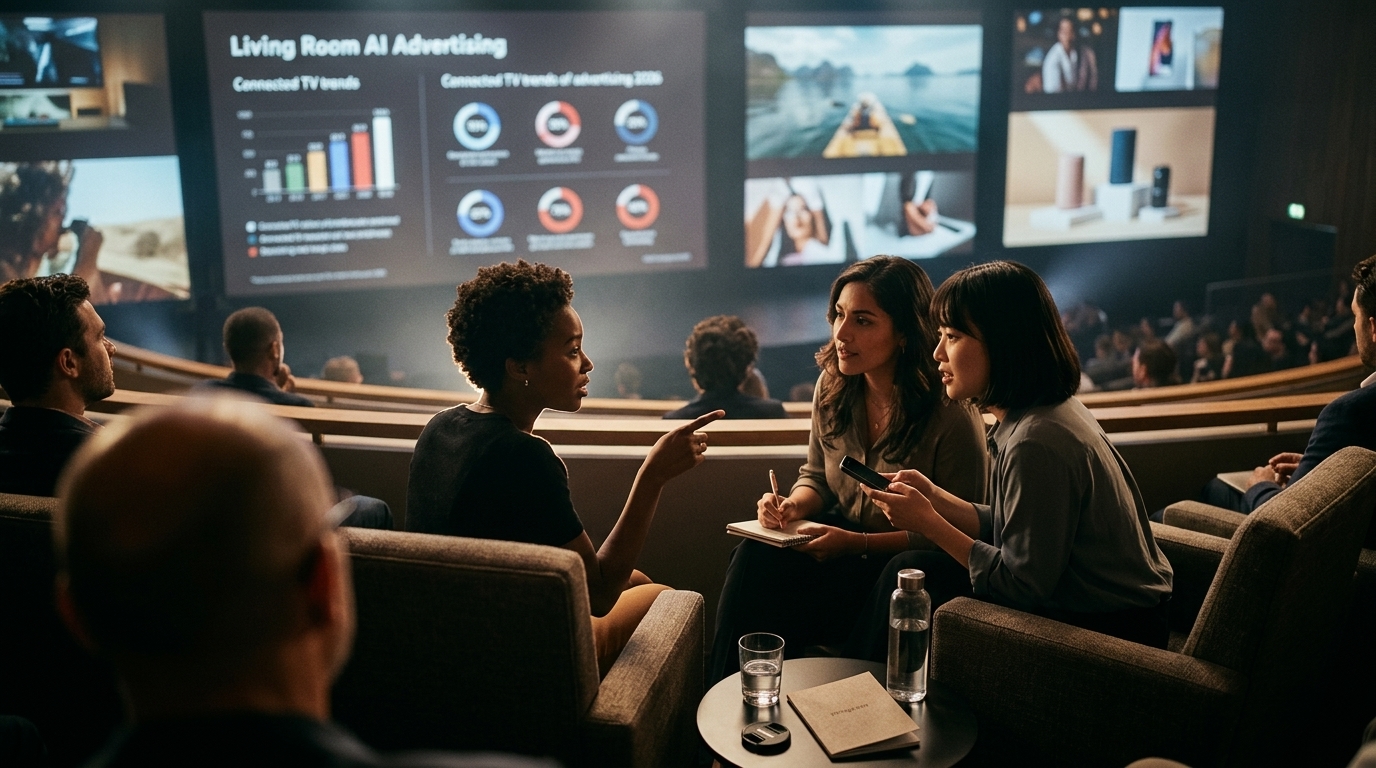
A pivotal segment of the event focused on YouTube’s explosive growth on Connected TV (CTV). By 2026, YouTube has solidified its position as the primary channel in living rooms worldwide. To capitalize on this, Google introduced new 'Interactive Ad Units' specifically for the TV interface. These units allow viewers to purchase products directly from their screens using their remote or a synchronized mobile device.
"The television is no longer a passive medium. It is the new point of sale, where entertainment and e-commerce converge in real-time," stated an industry analyst present at the event.
This strategy is a direct challenge to traditional linear television networks. It offers advertisers the massive reach of the big screen combined with the precision targeting and granular data of the digital world. Through 'YouTube Select AI,' brands can now automatically place their ads within the most culturally relevant and brand-safe content trending in real-time, ensuring maximum impact and efficiency.
Creators as Global Media Conglomerates
Brandcast 2026 also highlighted the evolution of content creators. They are no longer viewed merely as 'influencers' but as sophisticated media brands in their own right. YouTube announced expanded partnership frameworks that allow major advertisers to co-create long-form content with top-tier YouTubers, utilizing AI predictive tools to forecast the success of these collaborations before production begins.
Furthermore, AI-powered real-time translation and dubbing were showcased as standard features. A creator in New York can now reach audiences in Tokyo or Berlin with their own voice seamlessly dubbed into the local language. This technology provides brands with an unprecedented opportunity to scale globally without the traditional linguistic and cultural barriers that once hindered international expansion.
Strategic Implications and Ethical Hurdles
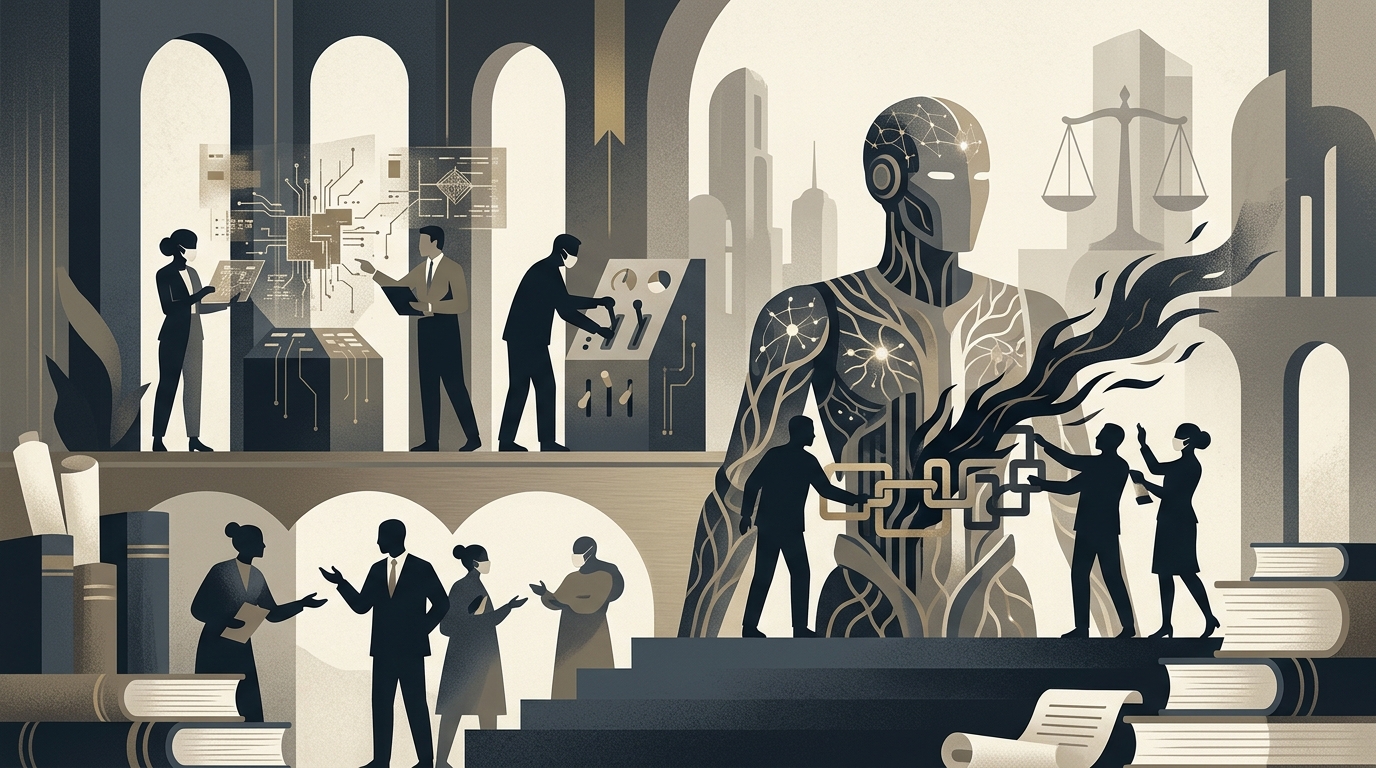
While the technological advancements are breathtaking, the pivot toward an AI-driven advertising ecosystem brings significant challenges regarding privacy and transparency. YouTube committed to rigorous protocols for labeling AI-generated content, yet the distinction between reality and digital synthesis is becoming increasingly blurred. For the industry, the takeaway is clear: adapting to this new algorithmic reality is not just a strategic choice, but a necessity for survival in the 2026 attention economy.