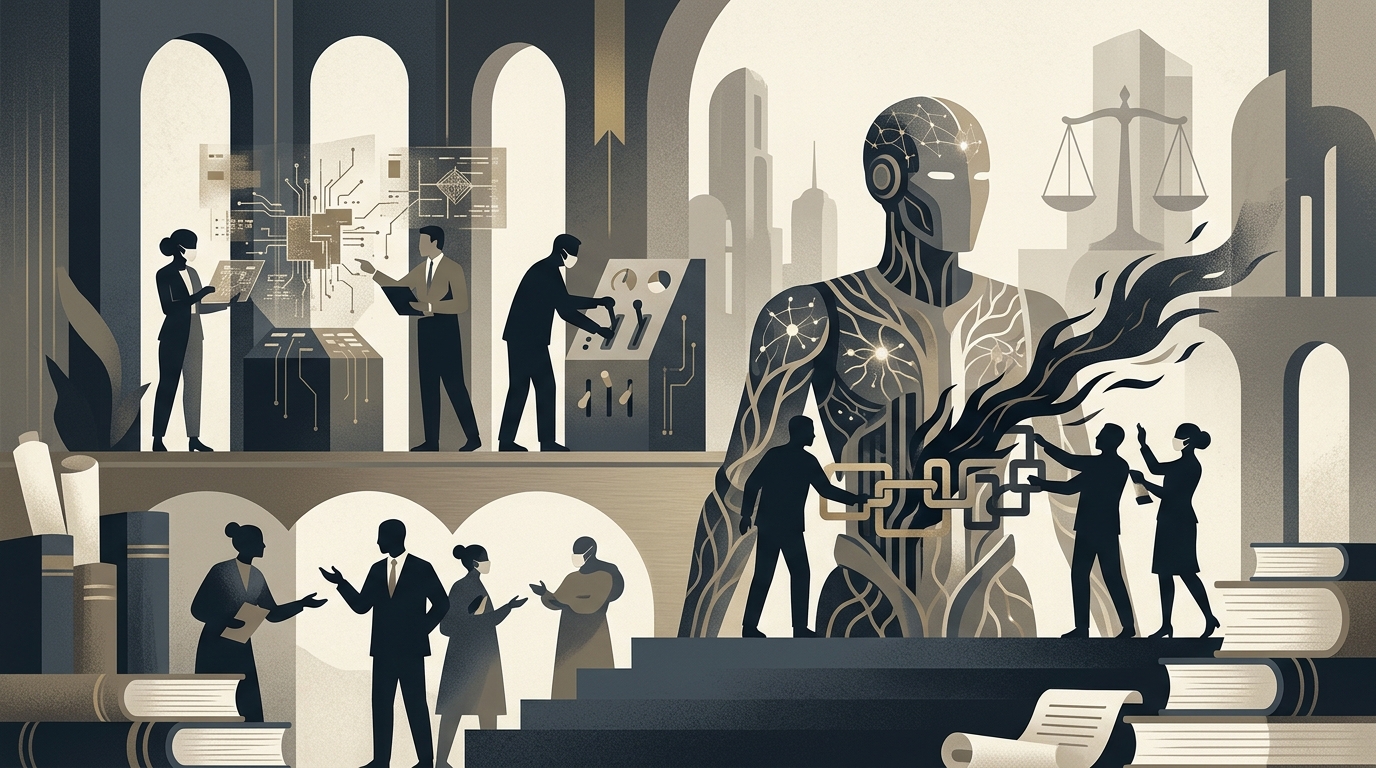
In an era where Generative AI dominates the headlines, the healthcare sector faces a critical crossroads: how to harness the speed of algorithms without sacrificing the absolute precision required by medical science. Wolters Kluwer, a global leader in professional information and software solutions, appears to have found the answer through "deterministic" artificial intelligence. Their new approach combines authoritative clinician-curated content with systems that do not "guess," but instead follow strict logical rules.
The Challenge of Hallucinations in Medicine
The primary hurdle for adopting Large Language Models (LLMs) in healthcare is the phenomenon of hallucinations. When an AI model generates inaccurate information regarding drug dosages or contraindications, the consequences can be fatal. Wolters Kluwer recognized that the probabilistic nature of generative AI—which predicts the next word in a sequence—is insufficient for clinical environments.
In contrast, deterministic AI operates on a foundation of data curated by human experts. When a physician submits a query, the system does not "create" an answer from scratch; it retrieves and synthesizes data from trusted sources like UpToDate and Medi-Span. This ensures that the output is consistent, verifiable, and, above all, safe for the patient.
Merging Human Expertise with Digital Velocity
The strategy employed by Wolters Kluwer is not about replacing the physician, but rather augmenting their capabilities. According to the company, "medication intelligence" requires three pillars: rich data, clinical context, and technological precision. By using AI to analyze vast volumes of clinical studies and patient records in seconds, the system can flag potential risks that a human might overlook due to fatigue or information overload.
"Trust is the currency of healthcare. Without deterministic models built on evidence-based medicine, AI will remain an impressive but dangerous toy," industry experts suggest.
The application of this technology also aims to reduce administrative burnout. Doctors today spend nearly 50% of their time on administrative tasks and information retrieval. Automating the synthesis of medication data allows clinicians to return to the core of their profession: patient interaction.
The Future of Digital Prescribing
Integrating deterministic AI into electronic prescribing systems represents the next major leap. Imagine a system that not only checks if a drug is appropriate but also considers the patient's full genomic profile, current therapies, and the latest clinical guidelines published only hours prior. This level of personalized medicine is only achievable through the combination of human curation and AI power.
- Reduction of medical errors resulting from incorrect dosages.
- Instant access to updated global clinical trials and studies.
- Improved patient compliance through clearer, AI-assisted instructions.
- Resource savings for healthcare systems by preventing adverse drug events.
In conclusion, Wolters Kluwer's move signals a shift toward "Responsible AI." In a world easily enamored by the next shiny object, returning to the values of precision and human oversight is perhaps the most progressive act we can witness in medical technology in 2026.