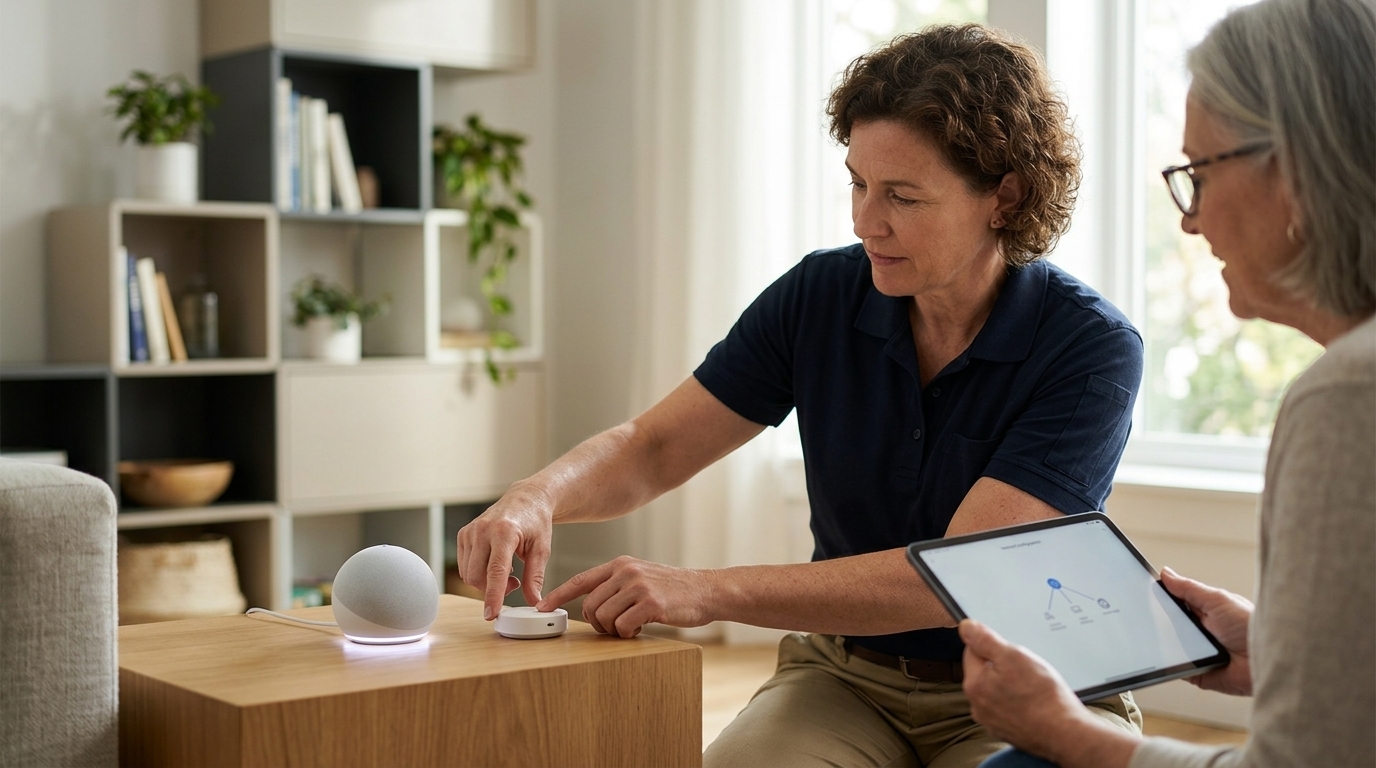
The promise of a unified, interoperable smart home through the Matter standard has been met with high expectations, but also significant technical hurdles. One of the biggest annoyances for users has been the requirement for a "Thread Border Router"—a central device like a HomePod or an Eero router—to make Thread devices functional. This is changing with the advent of Thread Direct, a new feature within the Thread 2.0 specification that allows smartphones to communicate directly with smart devices.
The End of the Mandatory Border Router
Until now, if you bought a smart plug or a lock that supported the Thread protocol, you couldn't just connect it to your phone and be done. You needed an intermediary device to "translate" the Thread signal into Wi-Fi or Ethernet for your home network. This created a barrier to entry: why would someone buy a $20 bulb if they first had to spend $100 on a hub?
Thread Direct solves this problem by leveraging the Thread radios now being integrated into modern smartphones, such as the iPhone 15 Pro and later models, as well as selected high-end Android devices. With this technology, your phone becomes the temporary controller, allowing for immediate configuration and control of the device without the presence of a permanent border router on-site.
Technical Analysis and the Importance of Thread 2.0
Thread 2.0 isn't just a minor update; it's a fundamental reboot of how we perceive low-power networking. Thread Direct works similarly to Bluetooth for the initial connection but with the reliability, range, and security of Thread. This means manufacturers can now create "Thread-only" devices, eliminating Bluetooth—which was often used as a fallback for setup—thereby saving hardware space and improving battery life.
- Speed: Responsiveness is almost instantaneous compared to the sluggishness of Bluetooth.
- Simplicity: The "tap-to-pair" process becomes more reliable.
- Flexibility: Ideal for rentals or spaces where the user doesn't want to install a permanent smart home network.
"Thread Direct is the missing link to make Matter a truly mass-market product," say market analysts.
The Strategy of Apple and Google
It is no coincidence that Apple began placing Thread radios in its phones before the protocol was even widely known to the general public. Google is following suit with the Pixel series, and Samsung is soon expected to integrate the technology into the Galaxy line. These companies realize that the smartphone is the center of the user's digital universe. By allowing the phone to talk directly to the home, they reduce reliance on third-party hardware and strengthen their own ecosystems.
However, there is another side. While Thread Direct facilitates the start, to enjoy the full capabilities of a smart home—such as automations when you are away—a border router remains necessary. The difference is that now the user can start with a single device and expand gradually, rather than requiring a large initial investment.
Challenges and the Future of Connectivity
Despite the excitement, there are questions regarding the compatibility of older devices. Many existing Matter 1.0 devices may need firmware updates to support Thread Direct, which depends on the manufacturers' willingness. Furthermore, the industry must ensure that the direct phone-to-device connection won't create new "technology islands," where a device only works with the phone that installed it.
In conclusion, Thread Direct represents the coming-of-age of the smart home. It turns a complex networking process into an experience reminiscent of connecting AirPods: simple, fast, and invisible. For the average consumer, this could be the tipping point that convinces them to replace their traditional appliances with "smart" versions.