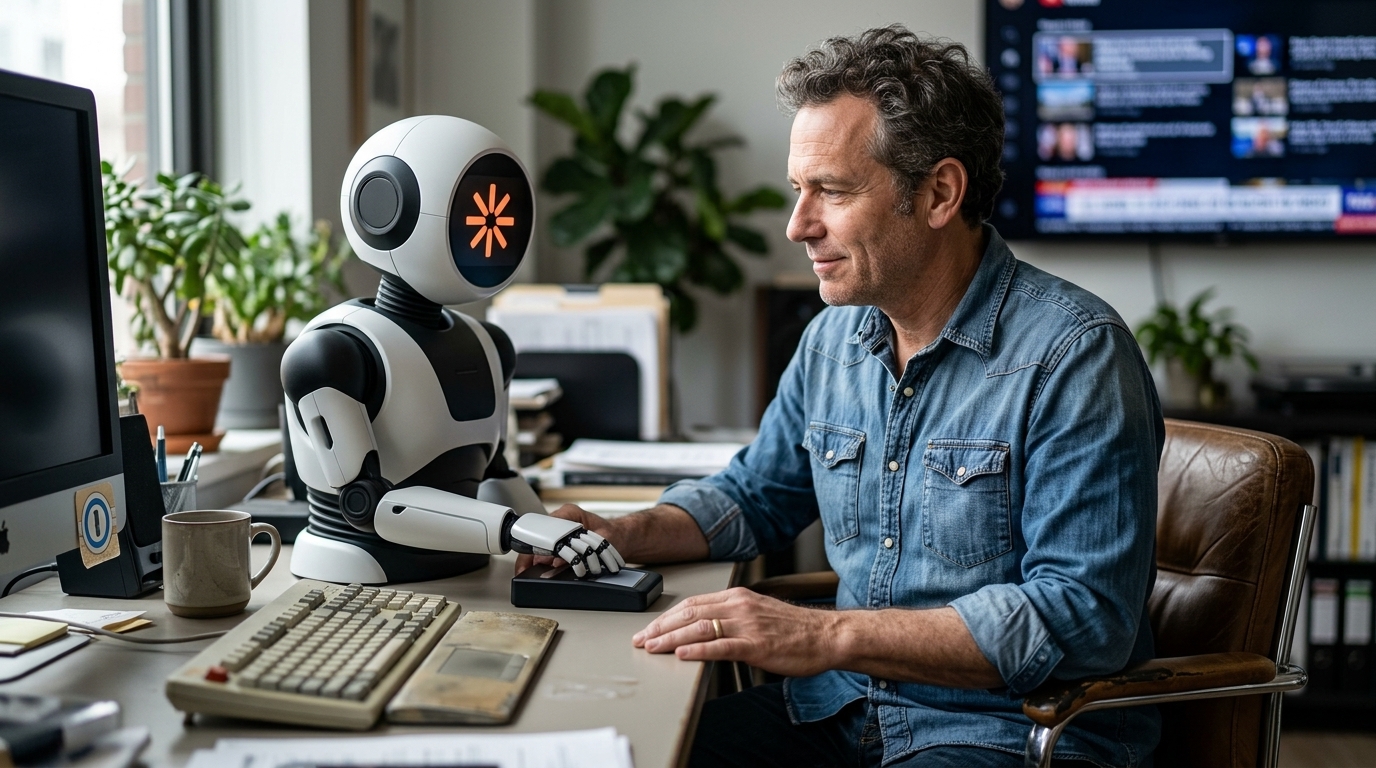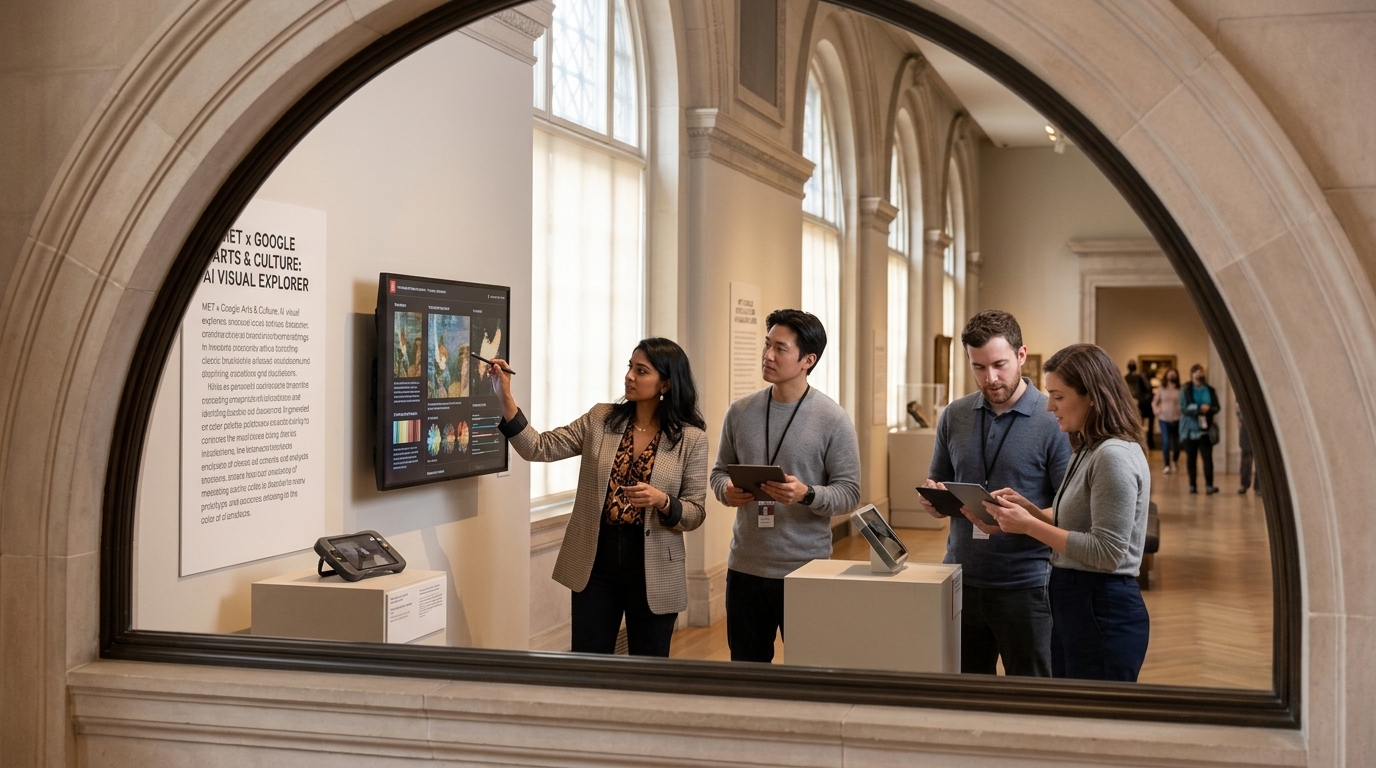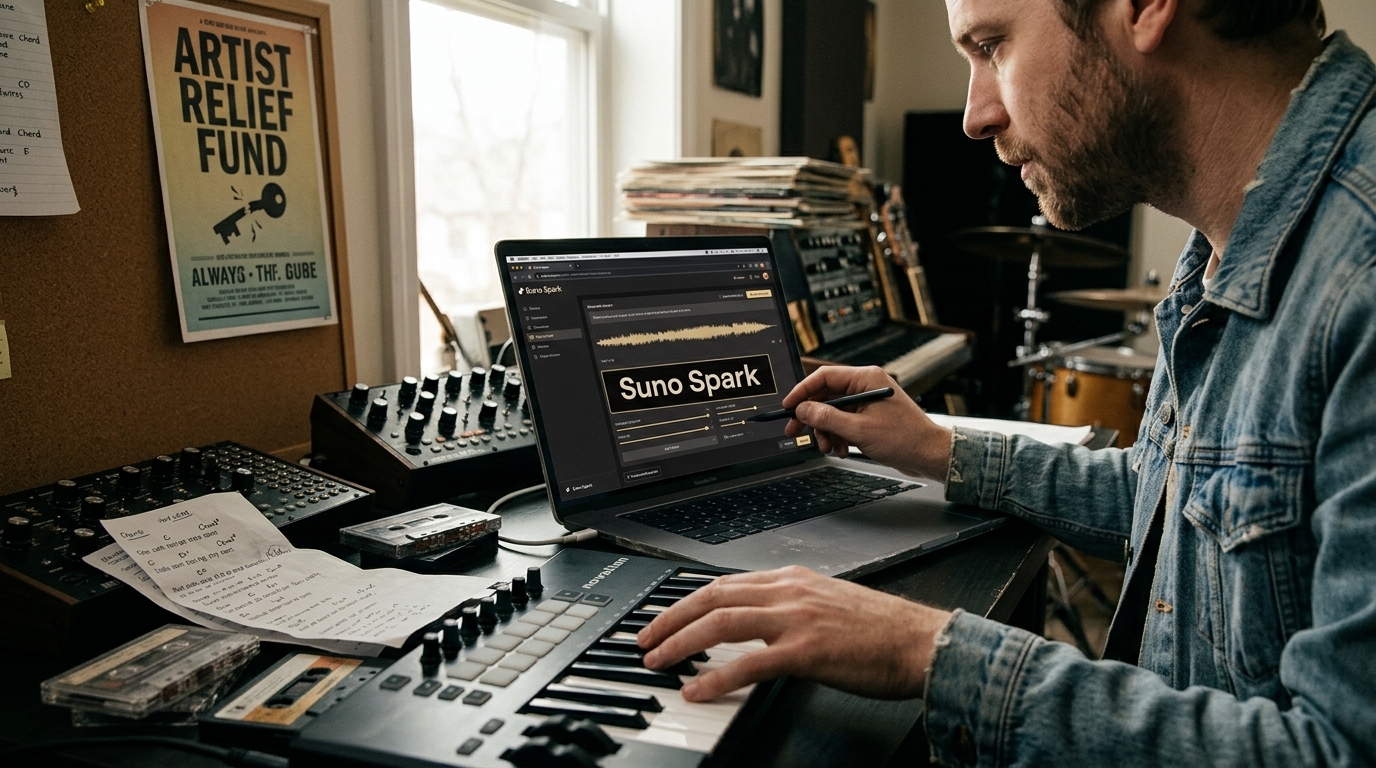
The music industry is at a critical crossroads, where the lines between human creativity and artificial intelligence are becoming increasingly blurred. Suno, the company that gained global notoriety for its ability to generate full-length songs from a simple text prompt, has announced the launch of its "Spark" program. This is an incubator aimed at independent artists, offering financial support, access to cutting-edge tools, and strategic promotion. However, behind the facade of creator support lies a strategic move that could radically change the way music is produced and consumed.
The "Spark" Strategy and the Quest for Legitimacy
The Spark program is not merely a philanthropic initiative. With a fund totaling $1 million, Suno promises to select a cohort of artists to receive grants of up to $10,000, along with professional mentorship. The participation requirements are clear: artists must be unsigned, retain the rights to their work, and be willing to integrate AI into their creative process. For many analysts, this is Suno's response to the fierce legal onslaught it faces from the RIAA (Recording Industry Association of America) and major labels like Universal and Sony.
By partnering directly with independent creators, Suno is attempting to build a "legal" and "consensual" dataset. Instead of relying solely on controversial web-scraping methods, the company is creating an ecosystem where artists voluntarily feed the machine with their style, voice, and compositions. This allows them to claim that their technology is not a parasite of the music industry, but a partner that empowers emerging creators.
From "AI Slop" to Genuine Artistry
Until now, AI-generated music has often been derided as "AI slop"—mass-produced, soulless content flooding streaming platforms. Suno wants to break this stereotype. The goal of Spark is to prove that generative AI can produce hits with soul and a human signature. The company aspires to evolve from a simple creation tool into a full-fledged streaming destination and a platform for talent discovery, directly competing with the likes of Spotify and TikTok.
"We don't just want to build tools; we want to help artists find their audience and make a living from their art," the company's official statement reads.
However, criticism is intense. Many argue that artists participating in Spark are essentially "selling their souls" for a temporary financial gain. By training Suno's models with their unique voices, they are contributing to the creation of a competitor that may eventually render them obsolete. It is the classic dilemma of the digital age: convenience and funding versus long-term autonomy.
The Political and Social Dimension of AI Music
Suno's move reflects a broader trend in Silicon Valley: the attempt to bypass traditional industry gatekeepers. Record labels have traditionally controlled distribution and promotion. Now, a software company promises to do the same, using algorithms instead of A&R managers. This has massive political implications regarding intellectual property and the value of human labor.
- Democratization: Supporters see an opportunity for those without access to expensive studios.
- Exploitation: Critics see a new form of "digital sharecropping," where the artist produces the data and the platform reaps the surplus value.
- Cultural Homogenization: There is a risk that music will become predictable, optimized solely for social media algorithms.
In an era where attention is the most expensive currency, Spark offers artists a place in the sun. But the question remains: when that sun is artificial, how long will its warmth last? Suno is building its future on the backs of independent creators, and the outcome of this experiment will define the future of the global music scene for decades to come.