In the Seoul of 2026, fumbling for a wallet or even a smartphone at a checkout counter is beginning to feel like an anachronistic habit. South Korea, a nation that traditionally serves as the global laboratory for future technologies, is now transitioning into the era of "impersonal" yet deeply biometric transactions. FacePay, the service provided by Toss—the country’s leading fintech powerhouse—has already attracted nearly 5 million users, turning citizens' facial features into the ultimate medium of exchange.
The Digital Transformation of Daily Life
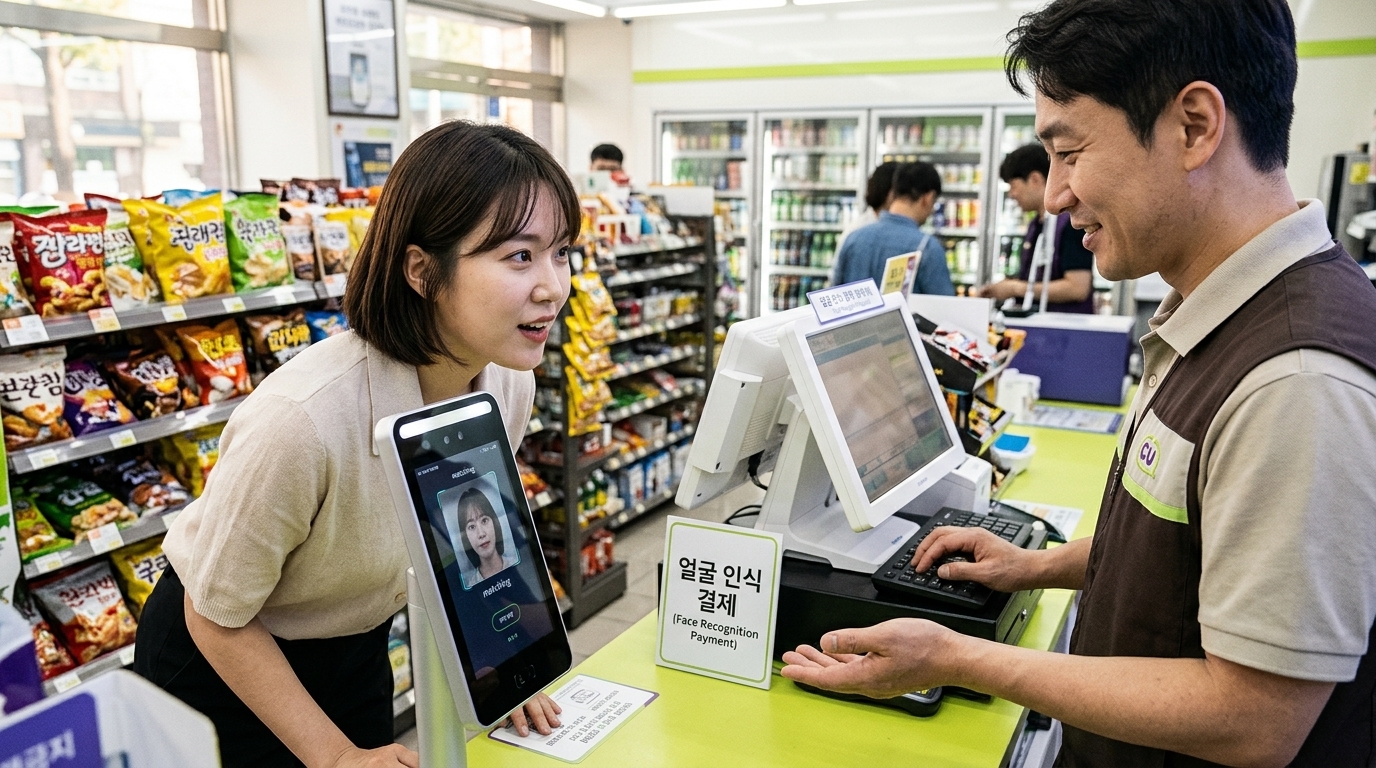
The rise of FacePay is not a random event; it is the result of a coordinated effort to eliminate every trace of "friction" in daily transactions. The process is disarmingly simple: a user registers their face on the Toss app, linking it to their bank account or credit card. In-store, a specialized camera scans the face in a fraction of a second, confirms identity via AI algorithms, and the payment is completed without any physical contact.
Toss's success stems from its massive existing user base and a South Korean culture that embraces innovation at speeds that would seem daunting to the West. With over 15 million active users in total, Toss managed to persuade a third of them to trust their biometric data for the sake of convenience. Analysts estimate that by the end of the year, the number of FacePay users could double as more retail chains and cafes integrate the necessary hardware.
Security and the Challenge of Deepfakes
The looming question over this technological revolution is security. In a world where deepfake production has become child's play for bad actors, how can a camera distinguish a real face from a 3D mask or a high-definition projection? Toss claims to use "liveness detection" technology, which analyzes depth, temperature, and micro-movements of facial muscles to ensure the subject is actually present.
However, cybersecurity experts warn that no system is infallible. Unlike a password that can be changed after a breach, our faces are permanent. If a database containing biometric features is hacked, the consequences for an individual's identity could be irreversible. This risk has sparked intense debates in Korean media, with privacy advocates calling for stricter data protection frameworks.
The Economic Dimension and the Cashless Future
From an economic standpoint, FacePay drastically reduces costs for merchants. There is no longer wear and tear on card terminals, nor a need for physical staff presence at many stages of the sale. South Korea aims to become the first country in the world to fully abolish cash, and biometric payments are the final frontier before reaching that goal. Already, the country's central bank is observing a sharp decline in the use of coins and banknotes, with FacePay acting as a catalyst for micro-transactions.
"Our face is the most unique signature we possess. Turning it into a transaction tool is the natural evolution of the digital economy," says a Toss executive.
Nevertheless, the adoption of such technologies creates a generational divide. While younger Koreans (Gen Z and Millennials) view FacePay as an obvious convenience, older generations view the idea of being "scanned" just to buy a carton of milk with skepticism. Social acceptance will be the key to the system's universal dominance.
Conclusion: A Global Standard?
The case of South Korea is being closely watched by Western tech giants. While Apple and Google have already integrated facial recognition for device unlocking, the direct linking of a face to a payment terminal in a public space remains a taboo in Europe due to GDPR. However, convenience often defeats privacy in the battle of daily life. If the Toss model proves secure and profitable, it is only a matter of time before we see similar initiatives popping up in European metropolises, redefining the concepts of personal freedom and financial security.