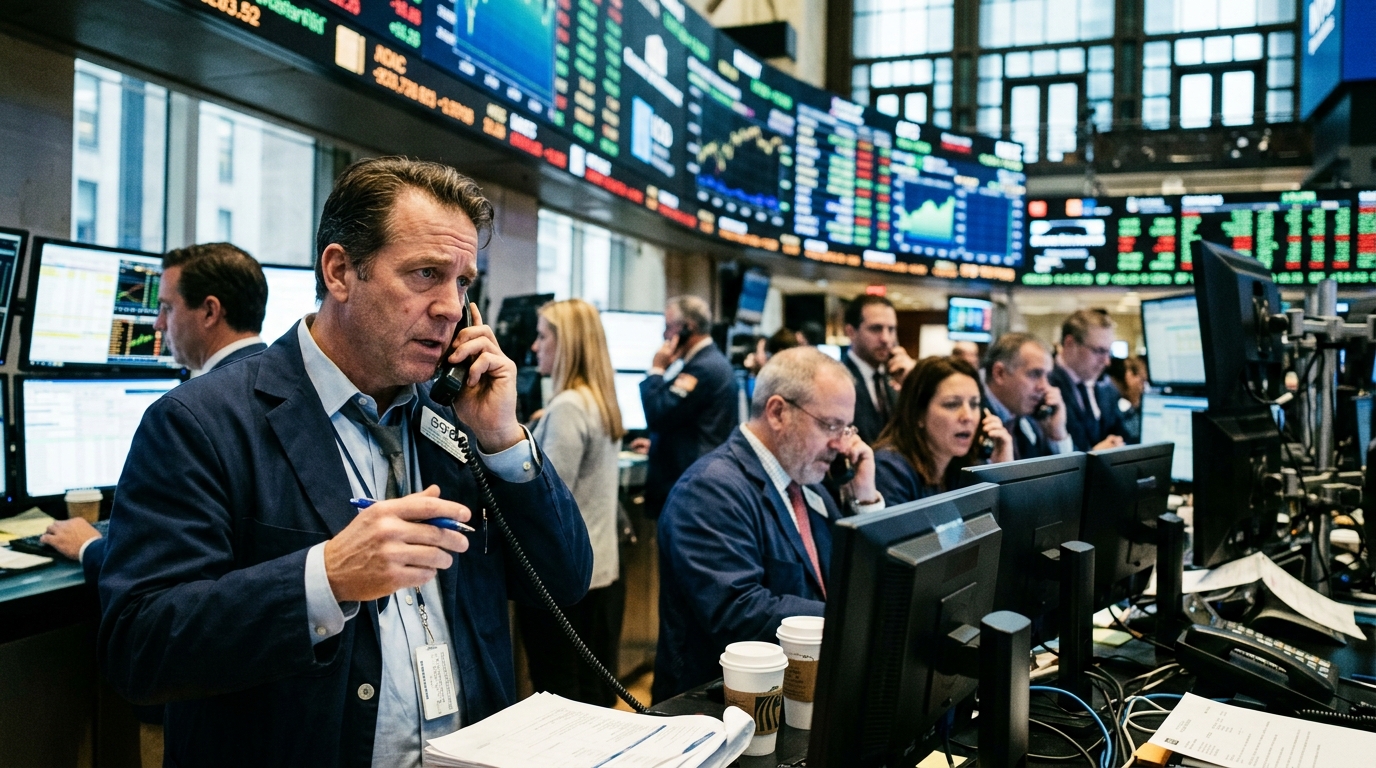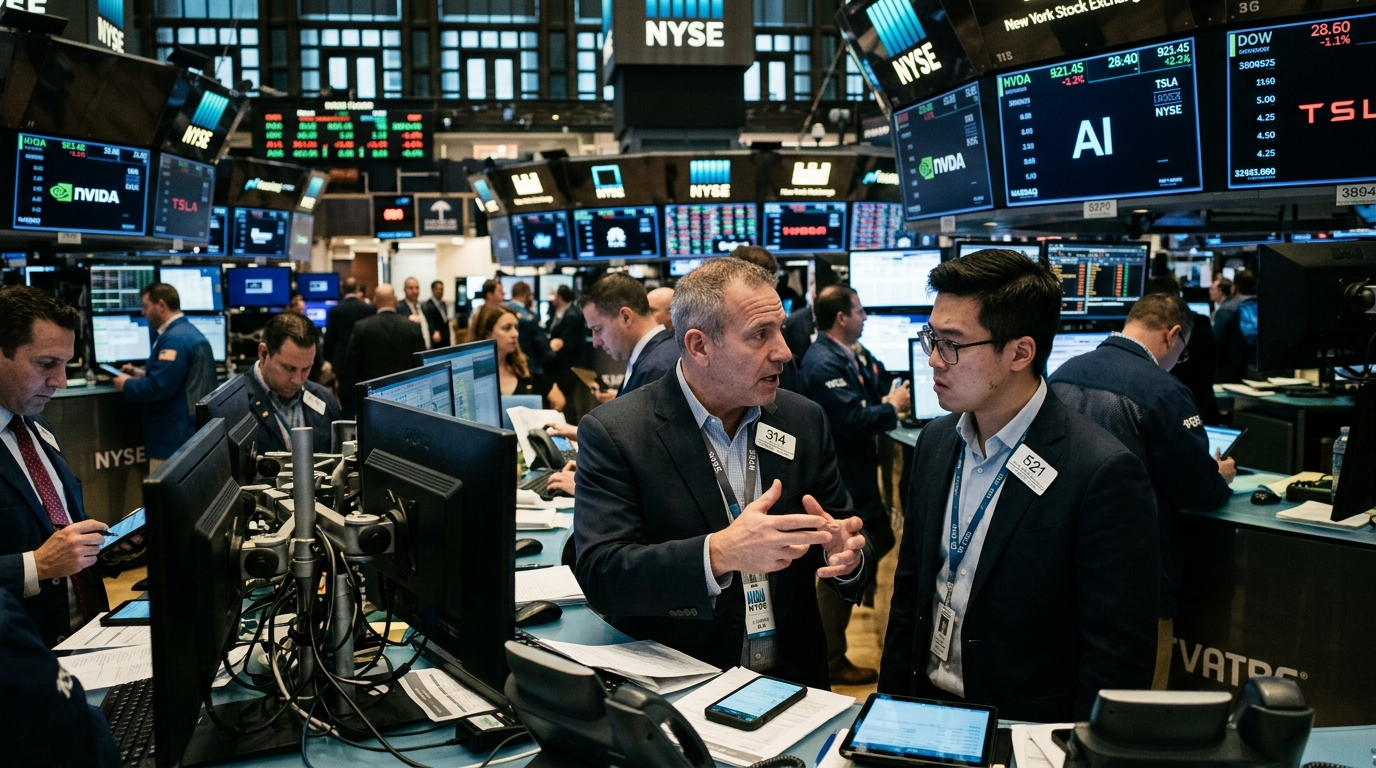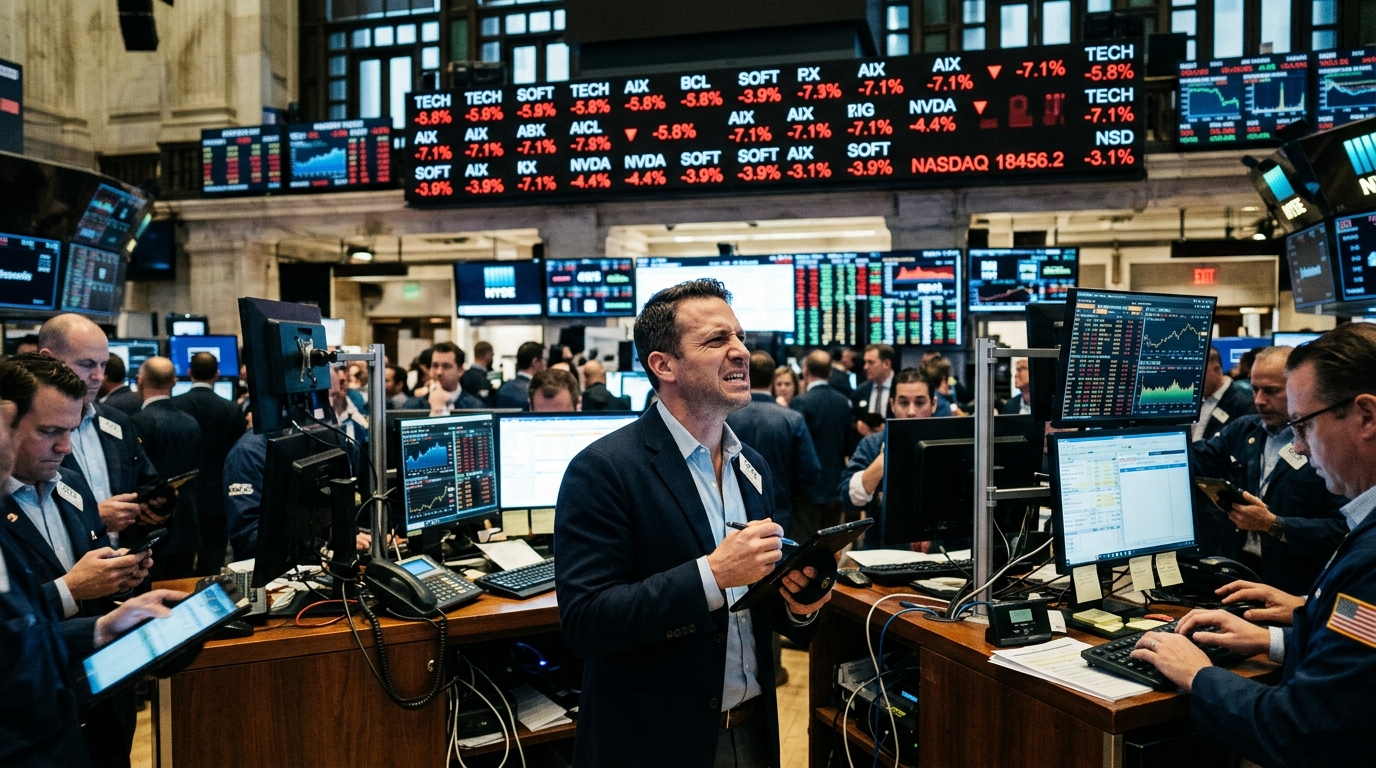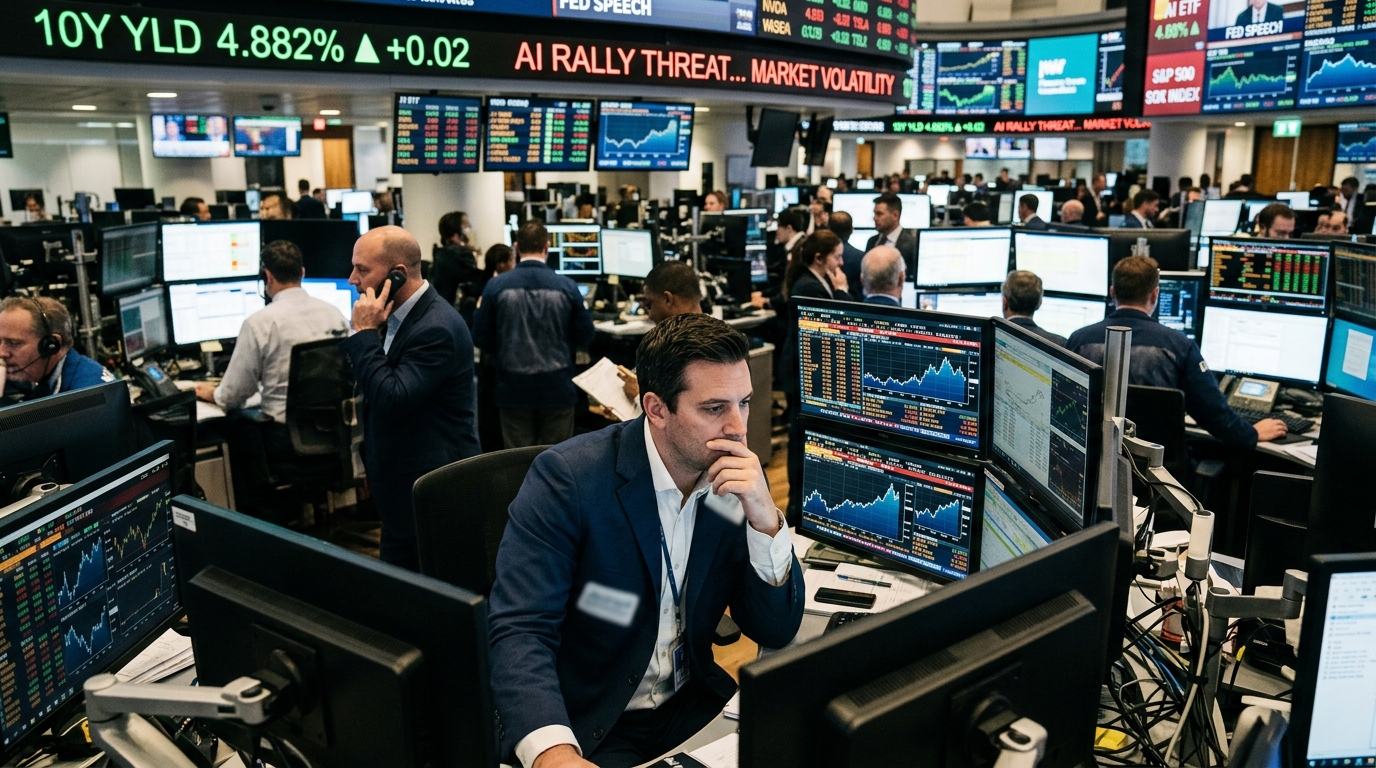
The stock market of mid-2026 finds itself at a critical juncture, where the unbridled optimism surrounding the Artificial Intelligence (AI) revolution is clashing with the relentless reality of macroeconomic fundamentals. As sovereign bond yields—most notably the U.S. 10-year Treasury—climb to levels not seen in years, a singular question dominates trading floors from Wall Street to London: Can the AI rally survive in an environment of high capital costs?
The Valuation Calculus and the 'Revenge' of Bonds
To understand why bond yields act as 'poison' for tech stocks, one must look at how analysts value high-growth companies. The firms leading the AI charge, such as Nvidia, Microsoft, and Alphabet, are valued based on their projected future cash flows. When bond yields rise, the discount rate used to calculate the present value of those future earnings also increases. The mathematical outcome is unavoidable: the current valuation of these stocks must drop to compensate for the higher opportunity cost.
Furthermore, bonds serve as the primary competitor for equity capital. When an investor can secure a guaranteed return of 4.5% or 5% from a government bond, the risk associated with investing in a high-multiple tech stock becomes significantly less attractive. This 'crowding out' effect drains the liquidity that fueled the previous years' surge, forcing the market into a painful but perhaps necessary correction.
The Massive Cost of AI Infrastructure
Another factor often overlooked is the sheer capital intensity of AI development. Training Large Language Models (LLMs) and constructing the specialized data centers required for generative AI costs billions of dollars. In a low-interest-rate environment, borrowing for these projects was virtually free. Today, with central bank rates remaining elevated, the cost of servicing the debt for these massive infrastructure projects is skyrocketing.
- Increased borrowing costs for Big Tech conglomerates.
- Margin pressure due to escalating energy and hardware expenses.
- Stricter investor scrutiny regarding Return on Investment (ROI) for AI projects.
Investors are no longer satisfied with vague promises about the transformative power of AI. They are demanding to see how this technology translates into immediate revenue and bottom-line profitability. The era of 'free growth' is over, and the market is now ruthlessly punishing companies that fail to justify their high valuations through their balance sheets.
Institutional Sentiment and the 'Show Me' Phase
We have moved from the 'hype phase' to the 'show me' phase. Institutional investors are rebalancing their portfolios, shifting away from speculative growth and toward value or defensive sectors that offer better yields in a high-rate environment. The 'Nvidia effect,' which single-handedly lifted indices for quarters, is facing its greatest challenge: the 'Fed effect.'
"Artificial intelligence may be the future, but bonds are the present. And the present demands fiscal discipline," notes a senior strategist at a major investment bank.
In conclusion, the tug-of-war between technological progress and monetary policy will define market trajectories for the remainder of 2026. If bond yields continue their ascent, the AI rally will need more than just optimism to stay afloat; it will require tangible, spectacular financial results that can defy the gravity of high interest rates. The market is maturing, and in this new phase, only the most efficient and profitable AI players will thrive.