In the digital age, the sheer volume of data we generate has outpaced our ability to manage it. Most of us carry thousands of videos and photos in our pockets, digital artifacts that often remain buried in the cloud, awaiting a moment that likely will never come: the time we sit down to edit them. Google, recognizing this widening gap between capturing and creating, has introduced Video Remix in Google Photos—a feature that promises to democratize video production through the power of generative artificial intelligence.
The Mechanics of Remixing: From Storage to Storytelling
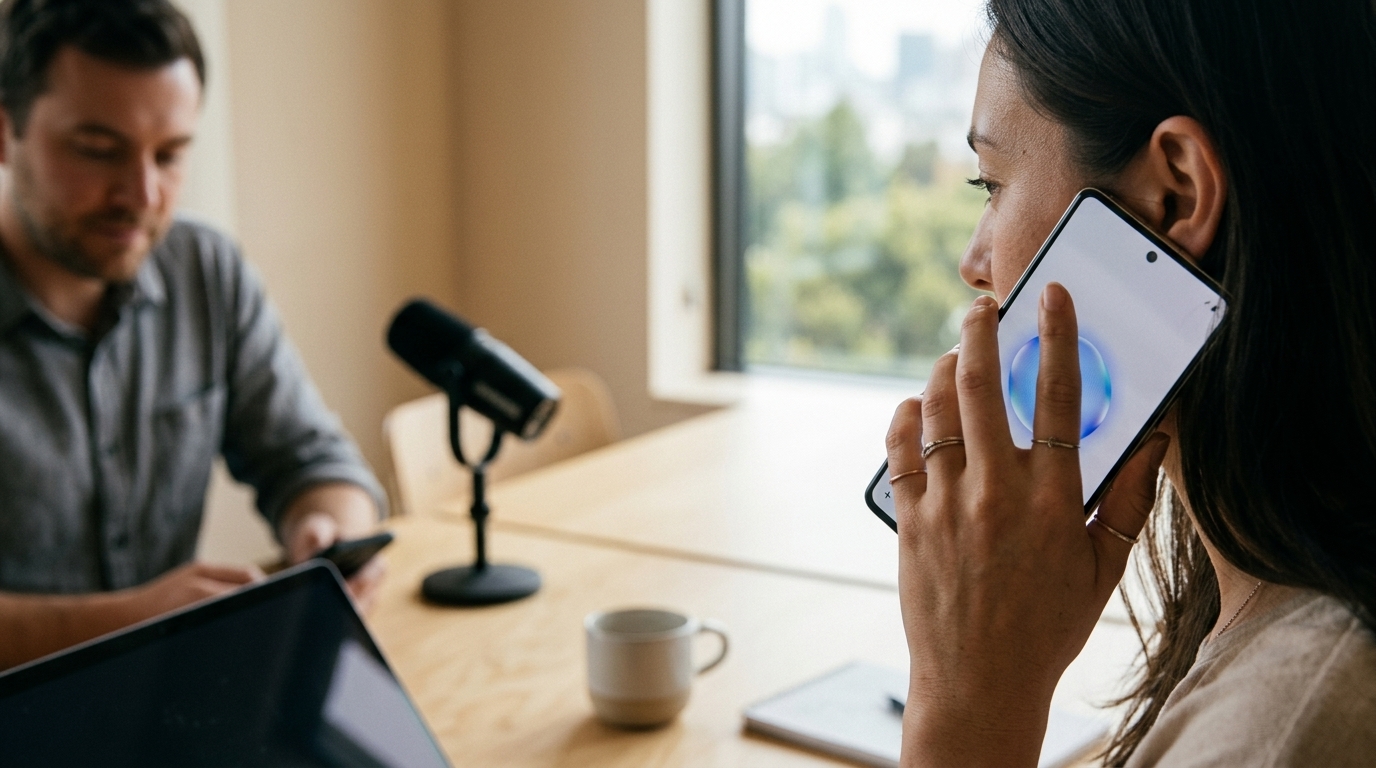
Video Remix is not just another editing suite; it is the manifestation of Google's push to integrate Gemini and other advanced AI models into the core of the user experience. The process is deceptively simple: a user selects a handful of photos or videos, and the AI handles the rest. However, what occurs under the hood is a feat of computational complexity. The AI scans each clip, identifying faces, emotional cues, movement, and key narrative beats, then assembles them into a coherent story.
The tool leverages natural language processing, allowing users to guide the creative output with simple prompts. For instance, a user can ask the app to "create a cinematic recap of our summer trip to the Alps with upbeat music and a focus on the hiking trails." The AI doesn't just pick random segments; it "understands" the aesthetic requirements of "cinematic" and "upbeat," selecting color profiles and pacing that align with the requested mood and soundtrack.
The Creator Economy and the 'TikTok-ification' of Memories
Google's move is strategic and timely. We are currently at the zenith of the short-form video era, where platforms like TikTok and Instagram Reels dictate the flow of digital attention. Until recently, producing high-quality content required either specialized knowledge of apps like CapCut and Adobe Premiere or an immense investment of time. With Video Remix, Google aims to keep users tethered to its ecosystem, providing them with the means to generate share-ready content without ever leaving the Google Photos environment.
- Automated highlight selection powered by sophisticated visual AI analysis.
- Customizable styles and soundtracks driven by text or voice prompts.
- Seamless integration with the existing Google Photos library for instant historical access.
- Post-generation editing tools that allow for manual refinement of AI suggestions.
"Artificial intelligence isn't replacing human creativity; it's removing the friction from the creative process, enabling everyone to become the narrator of their own life story," say industry analysts.
Privacy and the Ethics of Automated Memory
Despite the convenience, the increasing reliance on AI to process personal data raises significant questions. When we allow an algorithm to decide which moments of our lives are "important" enough to be included in a highlight reel, we are essentially outsourcing a portion of our subjective memory to a machine. There is a risk that our digital histories will become homogenized, adhering to the aesthetic standards dictated by a corporate algorithm.
Furthermore, the processing power required for these features is immense. While Google maintains strict privacy protocols, the fact remains that for this AI to function, it must analyze every frame of our personal videos. This grants the company an even deeper insight into our habits, relationships, and preferences. In an era where data is the new oil, our personal memories represent the most valuable untapped resource.
Conclusion: The Future of the Digital Archive
Video Remix is merely the opening act. As generative AI continues to evolve, the line between "what happened" and "how we remember it" will become increasingly blurred. For the average user, the ability to transform 50 disjointed clips from a child's birthday party into a touching short film in ten seconds is nothing short of magical. For the tech industry, it is a strategic asset in the ongoing war for platform dominance. The challenge for the future lies in preserving the authenticity of our moments while using technology as an enhancer, rather than a distorting lens.