In an era where climate change has elevated water resource management to a matter of national security, EYDAP is taking a strategic modernization leap that is set to fundamentally redefine the relationship between citizens and their water supply. The upcoming tender for the procurement and installation of 'smart' water meters, with a budget reaching 300 million euros, is not merely a technical upgrade; it is the cornerstone for building a Smart Water Grid in the Greek capital.
The End of the Analog Era
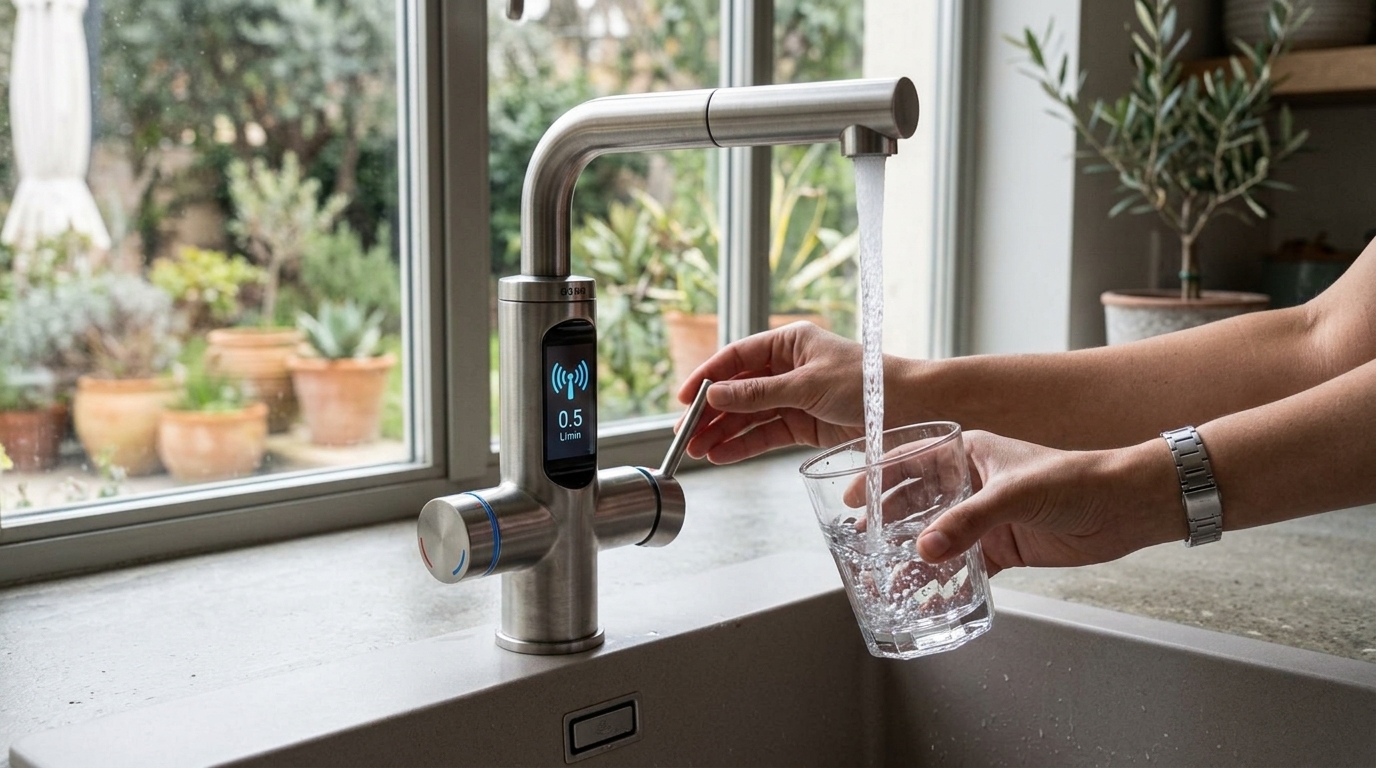
For decades, water consumption measurement in Attica relied on mechanical meters and the manual labor of technicians walking through neighborhoods. While functional, this model suffered from significant weaknesses: billing delays, reading errors, and, most importantly, an inability to detect leaks promptly. The new smart meters will utilize Internet of Things (IoT) technologies—such as NB-IoT and LoRaWAN—to transmit consumption data in real-time to EYDAP’s central systems.
This transition will allow the utility provider to maintain a comprehensive, real-time view of the network. This capability is critical for reducing 'Non-Revenue Water' (NRW)—water lost to hidden leaks or illegal connections before reaching the end-user. According to international studies, adopting smart grids can reduce water losses by up to 20%, a vital figure for a country frequently grappling with drought cycles.
Consumer Benefits and Transparency
Beyond operational efficiencies for EYDAP, the core of this investment is the consumer. With smart meters, citizens will be able to monitor their daily consumption via dedicated mobile apps. This marks the end of 'bill shock'—receiving an exorbitant invoice months after the actual usage occurred.
- Instant Leak Alerts: The system will recognize unusually high flow rates (e.g., a burst pipe or a faulty toilet valve) and send automated notifications to the owner.
- Accurate Billing: Estimated billing will become a thing of the past, as charges will be based exclusively on verified real-time data.
- Resource Conservation: Real-time awareness of consumption has been proven to encourage more responsible usage and financial savings.
Challenges and Implementation Roadmap
Despite the positive outlook, the project is not without its hurdles. Replacing millions of meters in a city as complex as Athens requires flawless coordination and robust technical support. The tender, expected to be launched within the year, will attract major players from the technology and construction sectors, as the scope includes not only device procurement but also the creation of a telemetry infrastructure.
"Digitizing the water network is the most significant step toward making the city resilient against the environmental challenges of the future," state sources close to the company's management.
The project's funding is expected to be covered partly by EYDAP's own funds and partly by European grants, highlighting the priority the EU places on the digital transition. Upon completion, Athens will join the ranks of European capitals managing their water resources through the lens of the 4th Industrial Revolution.