Greek education is standing at the threshold of a structural transformation. As the summer of 2026 unfolds, the "Digital Tutoring" initiative is no longer just a promise for the future but a living reality powered by the most sophisticated applications of Artificial Intelligence (AI). This move by the Ministry of Education aims to mitigate educational inequalities, offering every student—from the northern borders of Evros to the southernmost island of Gavdos—access to high-level educational material and personalized support that previously required significant financial resources from Greek families.
AI as a Personal Study Assistant
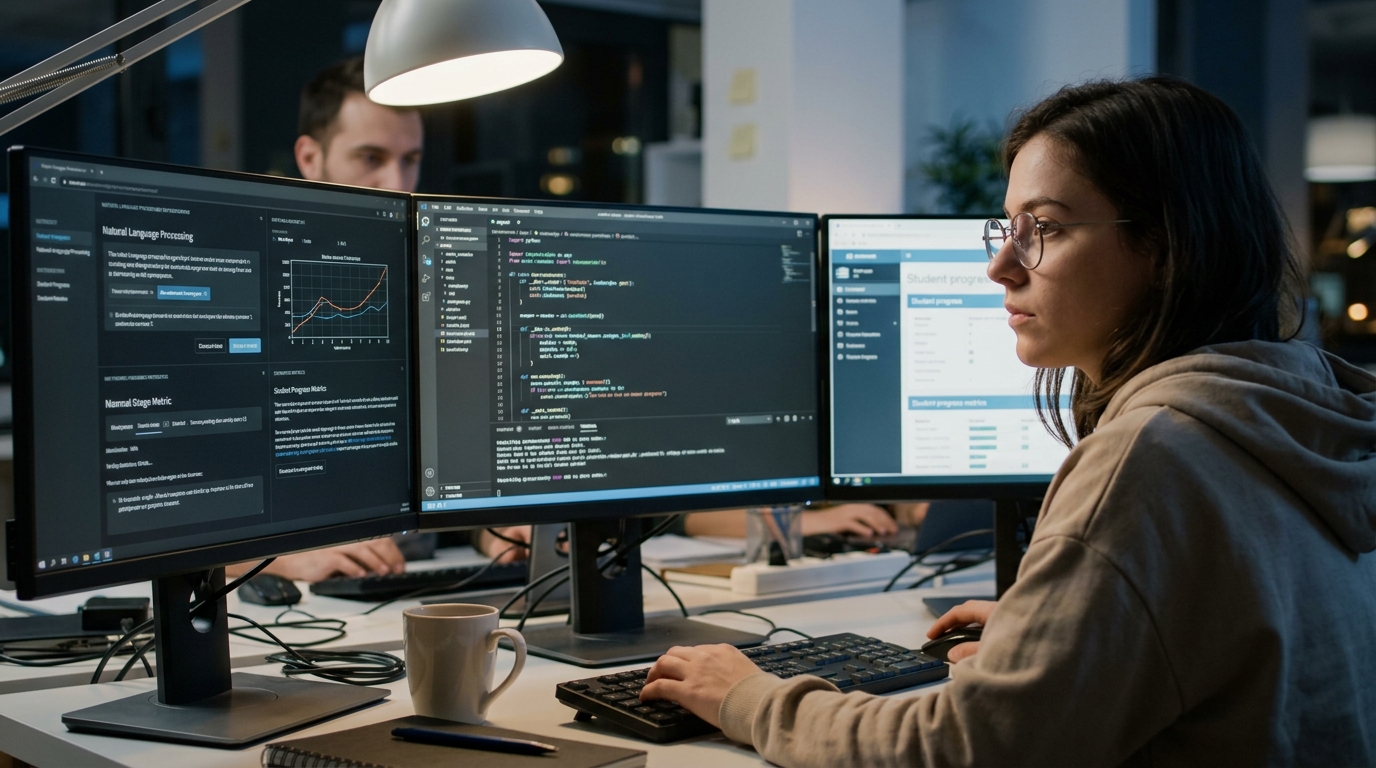
The heart of the new digital tutoring platform beats with the power of Large Language Models (LLMs) and adaptive learning algorithms. This is not a mere library of recorded lectures; it is an interactive ecosystem. Students now have the ability to converse with an "AI Tutor" in real-time. This digital assistant is trained on the national curriculum and can resolve queries, suggest additional exercises based on each student's weaknesses, and analyze complex mathematical or literary issues with simplicity.
The most significant advantage of this technology is the capacity for "continuous assessment." Instead of the student waiting for a weekly test, the AI analyzes how they respond to daily exercises, identifies gaps in conceptual understanding, and adjusts the next lesson to cover exactly those areas. This personalization, once the exclusive privilege of private tutoring, is now becoming accessible to everyone through a screen.
Lessons All Summer: Bridging the Learning Gap
The announcement that the Digital Tutoring platform will remain active and fully functional throughout the summer months is a strategic choice. In educational literature, the phenomenon of the "summer slide"—the loss of knowledge during holidays—is well-documented. By providing structured summer courses and AI-assisted study, the Ministry seeks to keep students engaged, especially those preparing for next year's Panhellenic Exams.
- Access to live webinars with top-tier educators.
- Self-assessment capabilities through AI-generated tests.
- Advisory support for filling out university application forms based on analytical data.
- Specialized sections for students with learning disabilities, where the AI adjusts the interface and pace of instruction.
This approach alters the traditional model of "summer sessions" in private cram schools (frontistiria). While competition remains intense, the state now offers a reliable alternative that does not burden the family budget, a fact expected to reshape the shadow education landscape in Greece.
Challenges and the Human Element
Despite the excitement surrounding technological capabilities, experts warn that Artificial Intelligence cannot and should not replace the teacher. The pedagogical relationship, empathy, and moral guidance remain exclusively human traits. Digital Tutoring operates complementarily, as a powerful tool in the hands of both the student and the educator.
Furthermore, issues of the digital divide persist. Although access to the platform is free, the quality of internet connectivity and hardware (tablets, laptops) remains a barrier for certain social groups. The government has committed to providing equipment vouchers, but the effectiveness of these measures will be judged in practice. The data security of minor users is also a critical issue, as interaction with AI models requires strict privacy protection protocols.
The Future of Learning in Greece
The stakes for Digital Tutoring are high. If successful, Greece could become a model for other European countries in how to integrate AI into public education. Using technology to promote meritocracy and equality is a noble goal. As students begin their summer studies with the help of their digital assistants, society watches to see if this technological injection will indeed lead to better learning outcomes and a fairer educational system for the new generation.