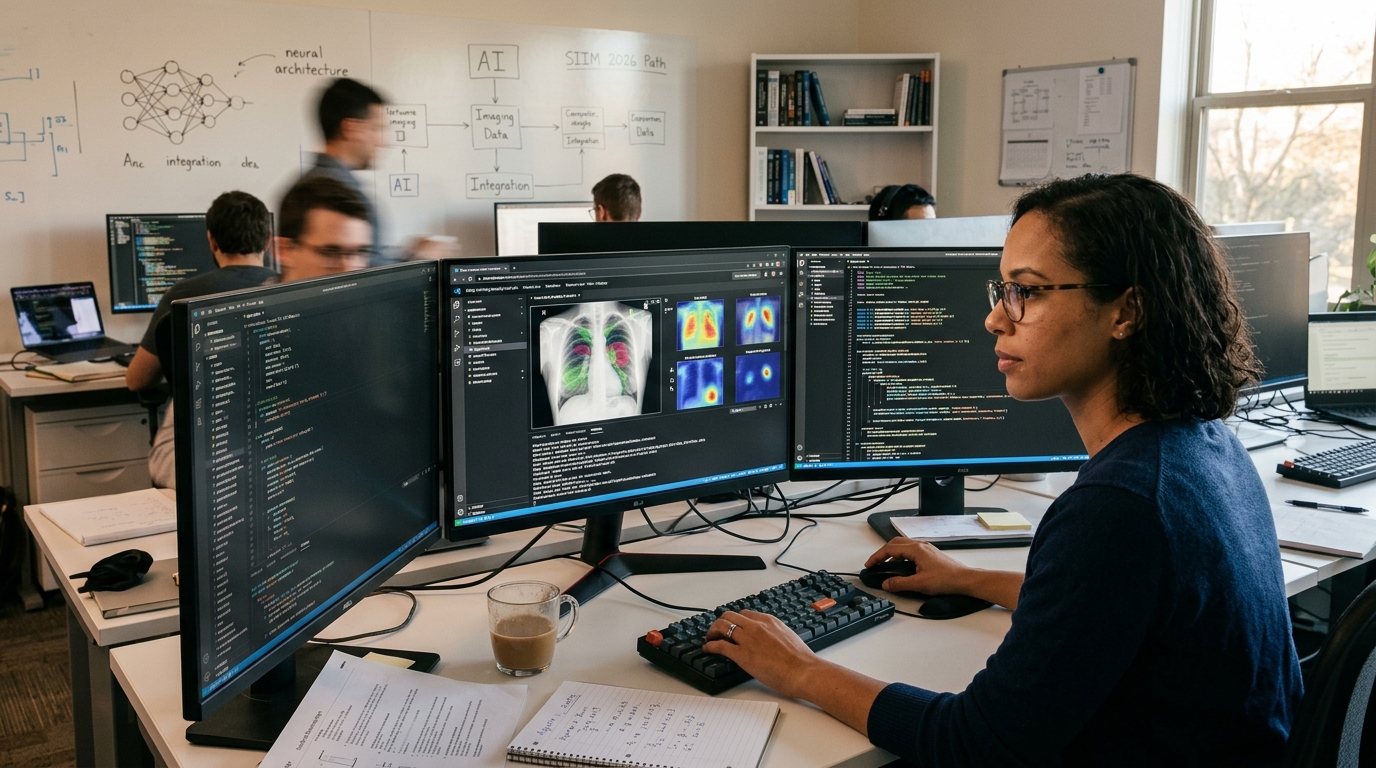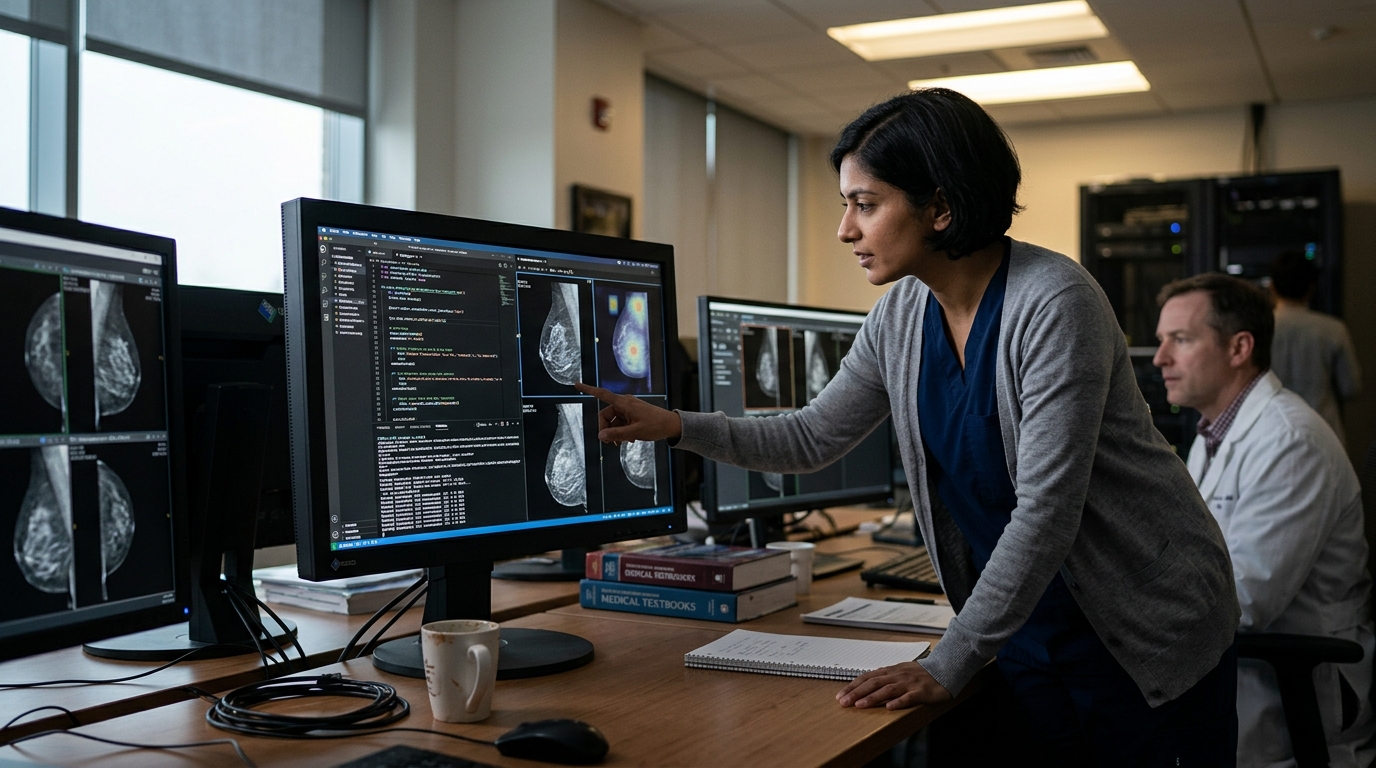
In the intricate world of modern medicine, information is everything. However, for decades, hospitals and diagnostic centers have struggled with a "digital Babel." Medical images—from CT scans to ultrasounds—are stored in disparate systems with incompatible tags and messy metadata. DataFirst, a leader in healthcare data management, has announced the launch of a new imaging classification and normalization platform that promises to bring order to the chaos and unlock the true potential of Artificial Intelligence in radiology.
The Problem of "Dirty" Data
For the average patient, an X-ray is just a picture. For a hospital's information system, however, it is a DICOM (Digital Imaging and Communications in Medicine) dataset. The problem lies in the fact that every equipment manufacturer and every clinic uses different naming conventions. What one radiologist calls a "Chest AP," another might record as a "Chest X-ray." When a hospital possesses millions of such images, searching, comparing, and analyzing them becomes nearly impossible without manual intervention.
This inconsistency is not just an administrative nuisance; it is a bottleneck for progress. AI algorithms require clean, uniform data to be trained and function correctly. If input data is misclassified, the accuracy of AI-driven diagnosis is compromised. DataFirst’s platform aims to bridge this gap, using advanced algorithms to automatically identify and correct metadata in real-time.
How Normalization Technology Works
DataFirst’s new solution goes beyond simple file renaming. It employs sophisticated logic to examine image content and accompanying data, ensuring every exam is correctly classified by anatomical region, view, and protocol. This process, known as "normalization," transforms unstructured data into a structured library, accessible by any Picture Archiving and Communication System (PACS) or analytical tool.
- Automated Classification: Categorizing thousands of images in seconds without human intervention.
- Metadata Correction: Harmonizing DICOM tags according to international standards.
- Workflow Improvement: Radiologists spend less time searching for historical exams.
- AI Readiness: Creating datasets that are immediately usable by diagnostic models.
The scalable nature of the platform allows large hospital networks, often formed through mergers, to consolidate their databases in weeks rather than years. In an era where healthcare consolidations are frequent, the ability to rapidly integrate digital assets is a critical competitive advantage.
Strategic Importance for the Future of Healthcare
DataFirst’s move reflects a broader trend in med-tech: the shift from simple storage to active knowledge management. As 2026 finds healthcare systems under pressure due to staff shortages and rising costs, automating data management offers a way out. Image normalization allows for better resource utilization by reducing redundant exams, which often occur because previous records were not easily locatable.
"Data cleanliness is the new ethical obligation in digital health," industry analysts note. "Without it, AI is like a powerful car trying to run on contaminated fuel."
In conclusion, DataFirst’s platform is not just an IT tool; it is vital infrastructure. By creating a common language for medical imaging, it lays the groundwork for more accurate, rapid, and personalized patient care. The challenge now lies in the widespread adoption of these standards by the medical community, ensuring that information flows freely where it is needed most: at the patient's bedside.