In a move that redefines the boundaries between software development and business intelligence, Anthropic has announced a significant update for Claude Code, its command-line interface (CLI) tool tailored for developers. The integration of "Artifacts" into Claude Team and Enterprise plans is not merely an aesthetic enhancement; it is a strategic shift toward creating a collaborative ecosystem where code is instantly transformed into visual output.
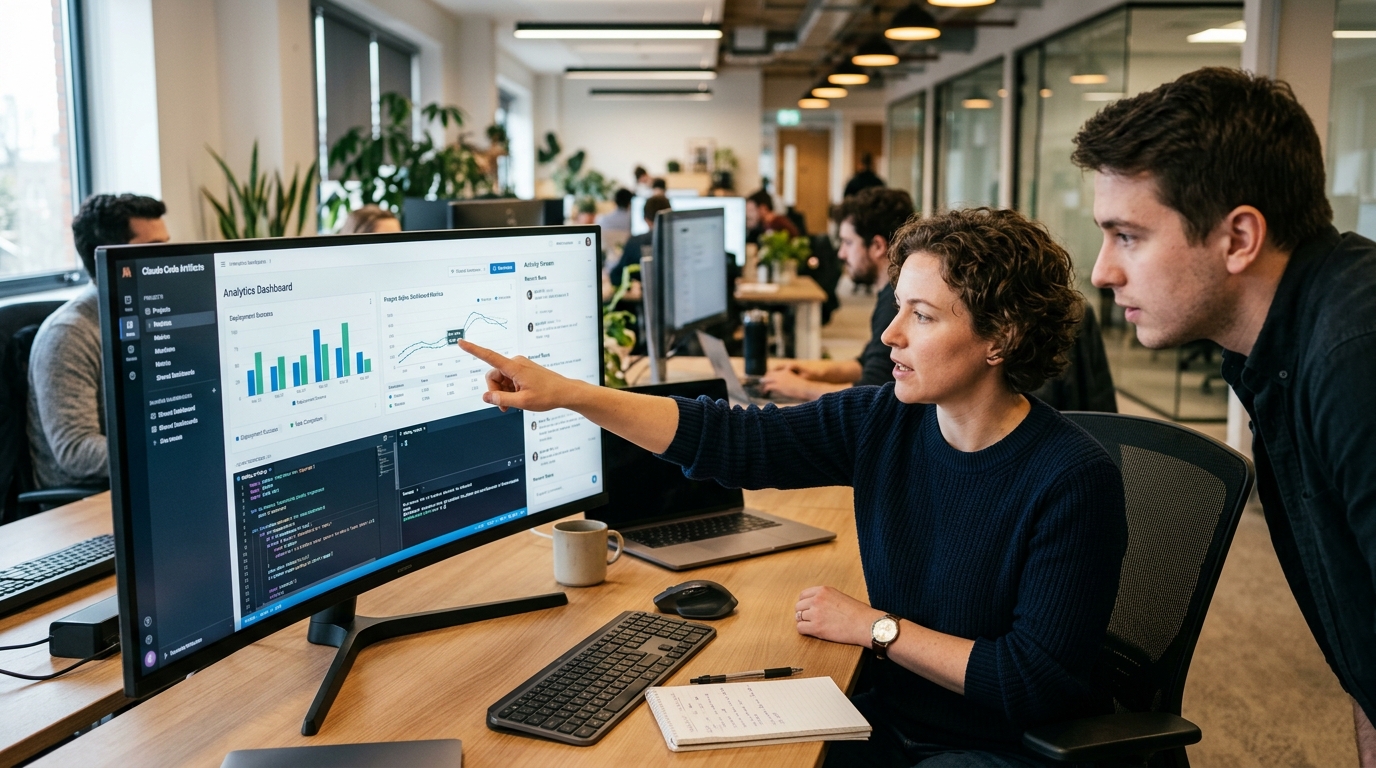
Artifacts allow users to view, edit, and share AI-generated content—such as code snippets, Markdown documents, HTML websites, and diagrams—in a dedicated window alongside the chat. With the new update, these elements become "live" and interactive, offering enterprises the ability to create real-time dashboards that can be shared across entire organizations.
Bridging the Technical-Business Divide
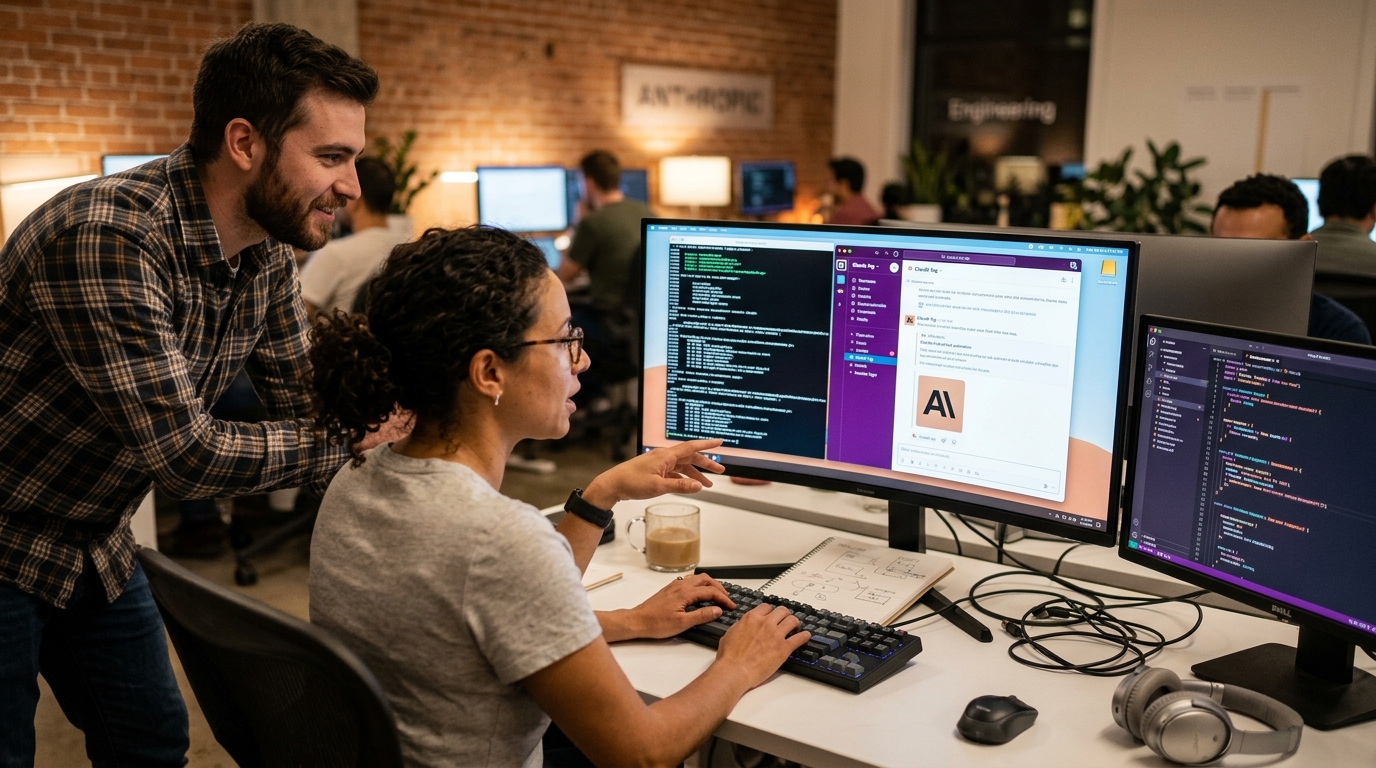
One of the most persistent friction points in modern tech companies is the communication gap between software engineers and non-technical stakeholders, such as Product Managers or executives. Traditionally, the progress of a coding project remained locked within terminals and repositories like GitHub. With Claude Code's new Artifacts, a developer can ask the AI to generate a data visualization dashboard and share it instantly as a functional HTML webpage.
This capability allows decision-makers to interact with the product in its early stages, test UI/UX elements, and grasp the trajectory of development without needing to know how to run code locally. Anthropic appears to be targeting the dismantling of information silos, evolving Claude from a simple coding assistant into a central collaboration platform.
Competition and Strategic Positioning
Anthropic's move comes at a time when competition in AI coding tools is reaching a fever pitch. GitHub Copilot remains the market leader, while OpenAI recently introduced "Canvas," a similar interface for ChatGPT. However, Anthropic’s approach with Claude Code focuses more on the workflow of the professional developer who prefers the terminal, while providing a bridge to the Web for presenting results.
Furthermore, the focus on Team and Enterprise plans underscores the company’s desire to establish a firm foothold in the corporate sector, where data security and the ability to share within a controlled environment are paramount. Artifacts are no longer isolated snapshots but dynamic documents that evolve alongside the project.
Security, Privacy, and the Future of Workspaces
For large enterprises, the introduction of interactive workspaces raises questions about data security. Anthropic has clarified that data processed through Enterprise plans is not used to train its models—a critical detail for companies handling sensitive proprietary code. The ability to generate "live" pages within Claude Code means teams can build internal tools with incredible speed while maintaining strict access controls.
Looking ahead, we can expect even deeper integration with external data sources. Imagine an Artifact that doesn't just show static data but connects to a company’s API to display real-time sales or system metrics, all constructed through a simple conversation with the AI. Anthropic isn't just building a chatbot; it is building the next-generation operating system for work.
The Broader Impact on Productivity
The ultimate goal of these interactive workspaces is to reduce the "cognitive load" on developers. By automating the boilerplate of UI creation and data presentation, developers can focus on core logic and architecture. For the enterprise, this translates to higher ROI on engineering hours and a more agile response to market changes. As AI moves from generating text to generating functional, shared environments, the very nature of "the office" and "the codebase" begins to blur into a single, fluid digital workspace.