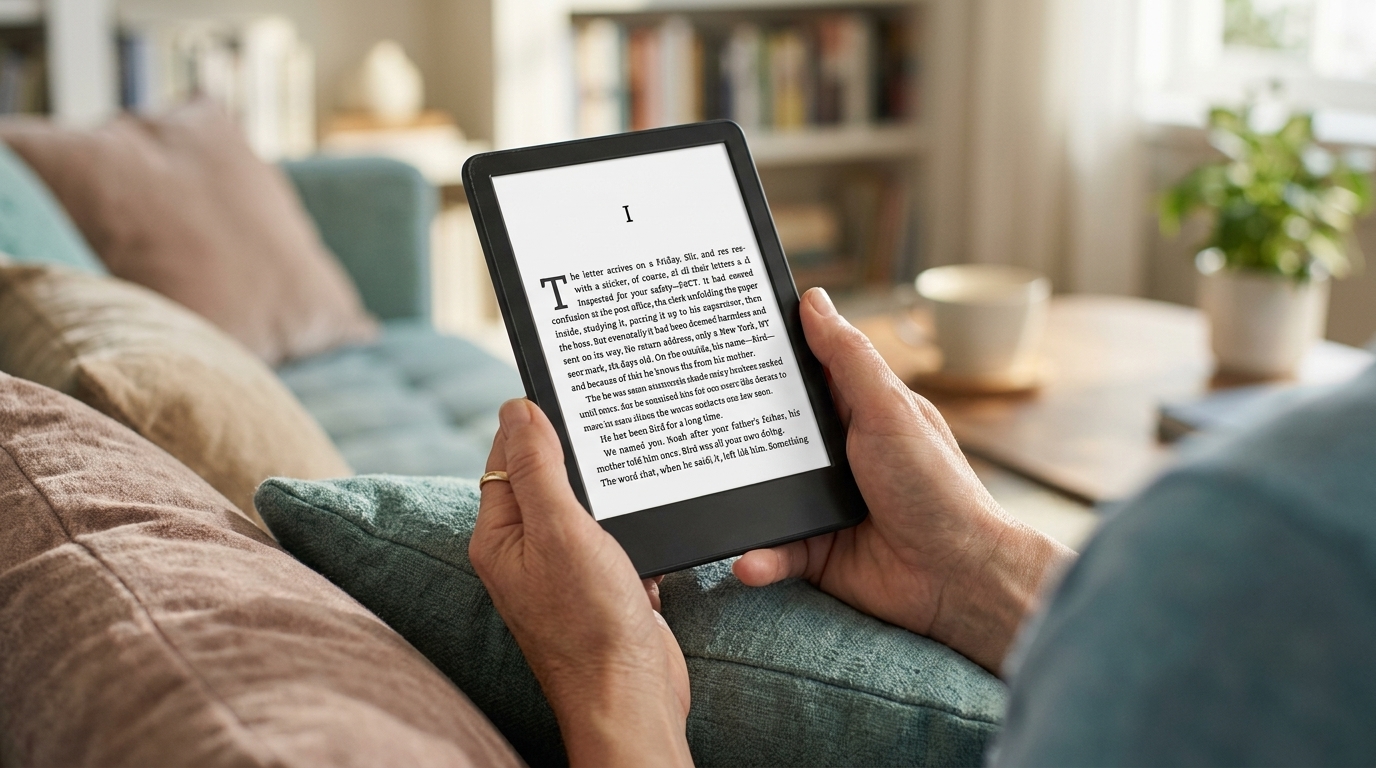
In the rapidly evolving world of personal technology, few devices manage to remain at the top of their category for as long as Amazon's Kindle. As we move through June 2026, the news that the 16GB Kindle Paperwhite has returned to its historically lowest price of $124.99 during Prime Day is more than just a consumer alert. It serves as a stark reminder of the enduring dominance of an ecosystem that has successfully transformed reading from an analog ritual into a tightly controlled digital experience.
The Goldilocks of E-Readers
The Kindle Paperwhite has long been considered the "Goldilocks" of Amazon’s e-reader lineup. Positioned strategically between the budget-friendly basic Kindle and the premium (though now somewhat aging) Kindle Oasis, the Paperwhite offers exactly what the average reader needs without unnecessary bloat. The current deal for the 16GB model—specifically the version with lock-screen ads—is a calculated move by Amazon to further penetrate households that might still be clinging to physical paper.
The device features a stunning 6.8-inch Paperwhite display with 300 ppi pixel density, making text appear as crisp as printed ink. The adjustable warm light, which allows users to transition from a cool white to a soft amber, remains a standout feature. This flexibility ensures that late-night reading sessions don't result in the eye strain typically associated with the OLED screens found on tablets and smartphones.
Technological Maturity and Longevity
One of the Paperwhite’s strongest selling points is its battery life. In an era where most of our devices demand daily tethering to a wall outlet, the Kindle promises up to 10 weeks of use on a single USB-C charge. This "technological silence" is precisely what makes it an essential tool for the modern individual seeking an escape from the constant barrage of notifications.
- IPX8 Waterproofing: Safe for reading by the pool or in the bath without fear of accidental submersion.
- 16GB Storage: Capable of holding thousands of ebooks and hundreds of Audible audiobooks.
- The Kindle Ecosystem: Instant access to millions of titles via the Kindle Store and the Kindle Unlimited subscription service.
The Strategy of "Lock-in" Deals
However, the low price tag comes with a caveat that isn't always highlighted in bold: ecosystem lock-in. The "with ads" version allows Amazon to subsidize the hardware cost by displaying promotional content on the lock screen. While these ads do not interrupt the actual reading experience, they serve as a constant reminder that the device is, in essence, a retail portal for the world's largest bookstore.
Furthermore, file support remains a point of contention. Although Amazon has made strides toward supporting the EPUB format via its "Send-to-Kindle" service, the device still natively prefers its proprietary formats (AZW3 and KFX), making it cumbersome to transfer books purchased from competing platforms. This "walled garden" strategy is what enables Amazon to maintain its near-monopoly despite the existence of formidable competitors like Kobo and Onyx Boox.
The Kindle as a Mental Health Tool
Within the context of the "tools" category, the Kindle is not merely a gadget; it is a tool for focus. In today's attention economy, owning a device that does only one thing—letting you read—is increasingly viewed as a luxury. Analysts note that e-reader sales are seeing a resurgence as users attempt to practice "digital minimalism" without sacrificing digital convenience.
"The Kindle isn't competing with the iPad. It’s competing with the physical book and the time we waste on the endless scroll of social media," notes Clio, analyzing the device's sustained success.
In conclusion, the Prime Day deal for the Kindle Paperwhite at $124.99 is an exceptional opportunity for those seeking the best possible reading experience at the most competitive price. Despite valid criticisms of Amazon's market practices, the Paperwhite remains the industry benchmark, blending superior build quality with an unparalleled library of content.