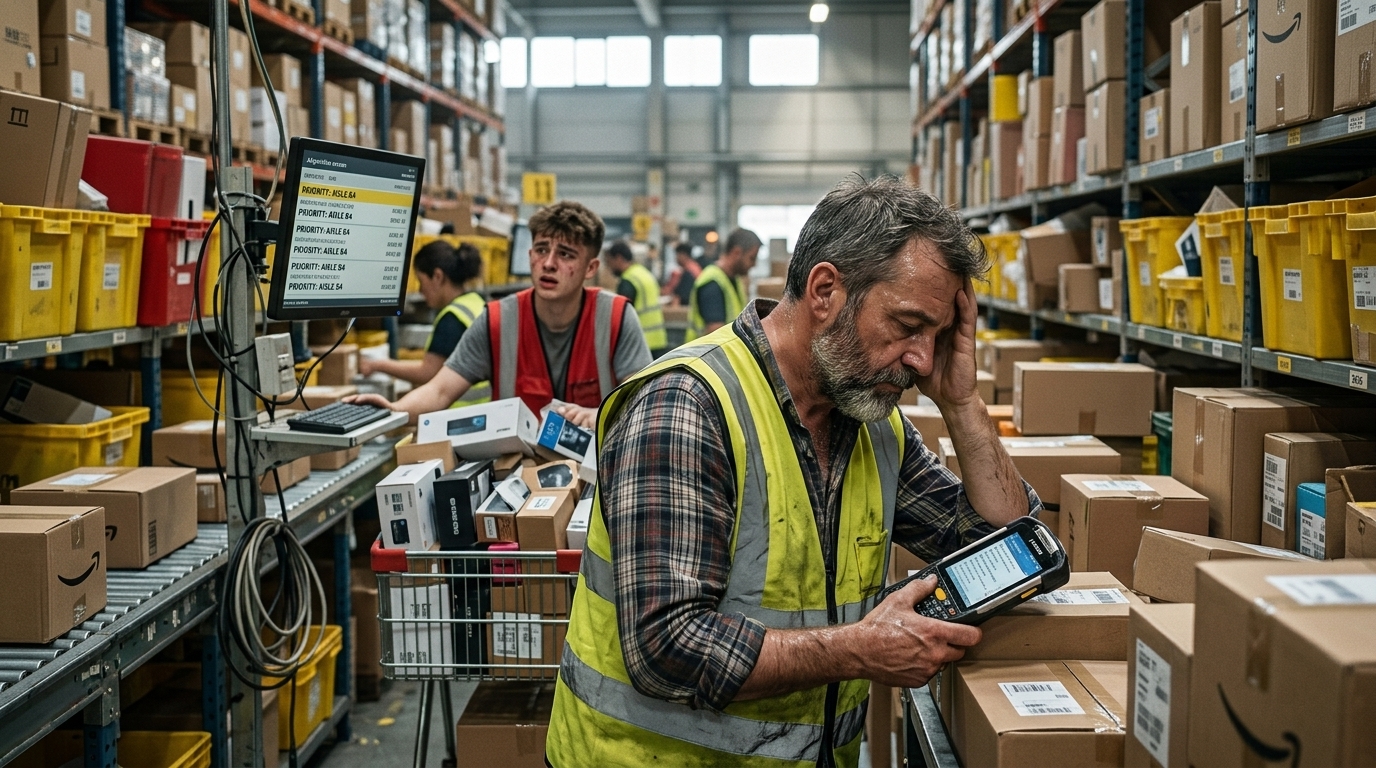
We are currently on the fourth day of what once began as a simple 24-hour flash sale. Amazon Prime Day 2026 is no longer just a commercial event; it is a digital war of attrition. With deals described by analysts as "wild" or even "feral," Wired and other major outlets are tracking every minute live, documenting a shift in consumer behavior that would have been unthinkable five years ago. This year’s event highlights a new reality: artificial intelligence doesn’t just assist in shopping; it conducts it autonomously.
The Rise of Shopping Bots and Dynamic Pricing
In 2026, the average consumer no longer sits in front of a screen refreshing the page to catch a discount. Instead, they deploy AI Shopping Agents—specialized large language models trained to monitor price fluctuations across thousands of products simultaneously. These bots are programmed to execute purchases within milliseconds the moment a price drops below a specific threshold. This has led to an "algorithmic arms race," where Amazon’s pricing algorithms face off against customer-side bots.
"Dynamic pricing" has reached new levels of sophistication. Prices no longer change by the hour but by the second, influenced by inventory levels, real-time demand, and bot activity. This creates an environment that Wired aptly describes as "feral," as the traditional concept of a stable price collapses. For the few human users still attempting to shop manually, the experience is often frustrating, as products vanish before they can even be added to the cart.
The Logistics Behind the Chaos
How does Amazon manage this unprecedented volume over four consecutive days? The answer lies in the total automation of its fulfillment centers. In 2026, Amazon’s logistics are almost entirely human-free. Next-generation "Proteus" robots organize packages at speeds that defy human observation, while the fleet of electric delivery vehicles and Prime Air drones has expanded across all major US and European metropolises.
However, this efficiency comes at a cost. The pressure on global supply chains is immense. Despite the automation, the demand for raw materials and the waste generated by packaging have placed Amazon in the crosshairs of EU regulators. The Digital Markets Act (DMA) and new environmental directives are forcing the company to be more transparent about its carbon footprint during these consumption marathons.
The Psychology of the "Day Four" Phenomenon
Why four days? Psychological research suggests that extending the sale period erodes the consumer's critical thinking. Decision fatigue leads to impulsive buying. After 72 hours of continuous exposure to flash sales and countdown timers, the brain seeks the dopamine hit of completing a purchase, regardless of the product's actual utility.
Furthermore, Amazon has integrated social media and gamification elements deeper than ever. Live trackers are no longer just for journalists. The platform itself hosts live streams from influencers testing products in real-time, creating a sense of community around the act of spending. It is a digital carnival where entertainment and commerce are now indistinguishable.
Conclusion: The Future of Retail
Prime Day 2026 serves as a laboratory for the future of global retail. As the lines between need and desire blur through algorithmic suggestions, consumers are forced to redefine their relationship with technology. The "feral" deals tracked by Wired are just the tip of the iceberg. Beneath the surface lies a radical transformation in how humanity exchanges goods, where speed and automation take precedence over conscious choice.