In an era where the traditional cloud computing market is reaching a saturation point, Alibaba Cloud, the technology arm of the Chinese e-commerce giant, is undergoing a bold strategic realignment. The pivot toward the "Model-as-a-Service" (MaaS) framework is not merely a technical upgrade; it represents a fundamental shift in the company's business model, aimed at capitalizing on the surging demand for generative artificial intelligence (AI).
The Rise of Model-as-a-Service (MaaS)
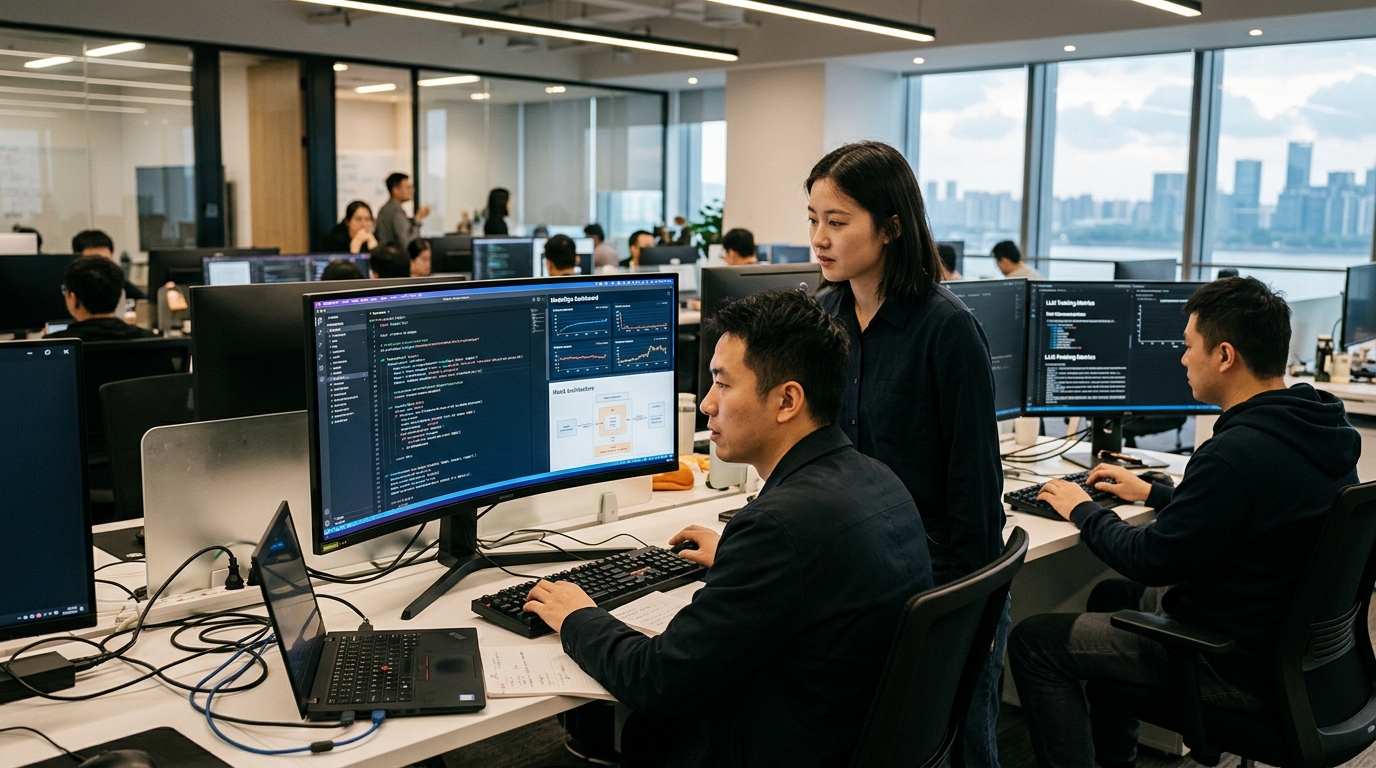
MaaS represents a new hierarchy in cloud services. Rather than offering just infrastructure (IaaS) or software (SaaS), Alibaba is now positioning foundational AI models as the core product. At the heart of this endeavor is the Tongyi Qianwen (Qwen) family of models, which has emerged as a global heavyweight, competing directly with OpenAI’s GPT-4 and Google’s Gemini. Alibaba’s strategy is built on accessibility: by providing open-source versions of its models, the company is cultivating a vast ecosystem of developers who become inherently integrated into its infrastructure.
The success of this approach is reflected in the financial data. Revenue growth from AI-related services is now outpacing that of traditional cloud offerings. Enterprises are no longer just looking for storage and raw compute; they are seeking ready-made intelligence solutions that can be seamlessly integrated into their operations, from automated customer service to complex data synthesis.
AI Coding as a Growth Engine
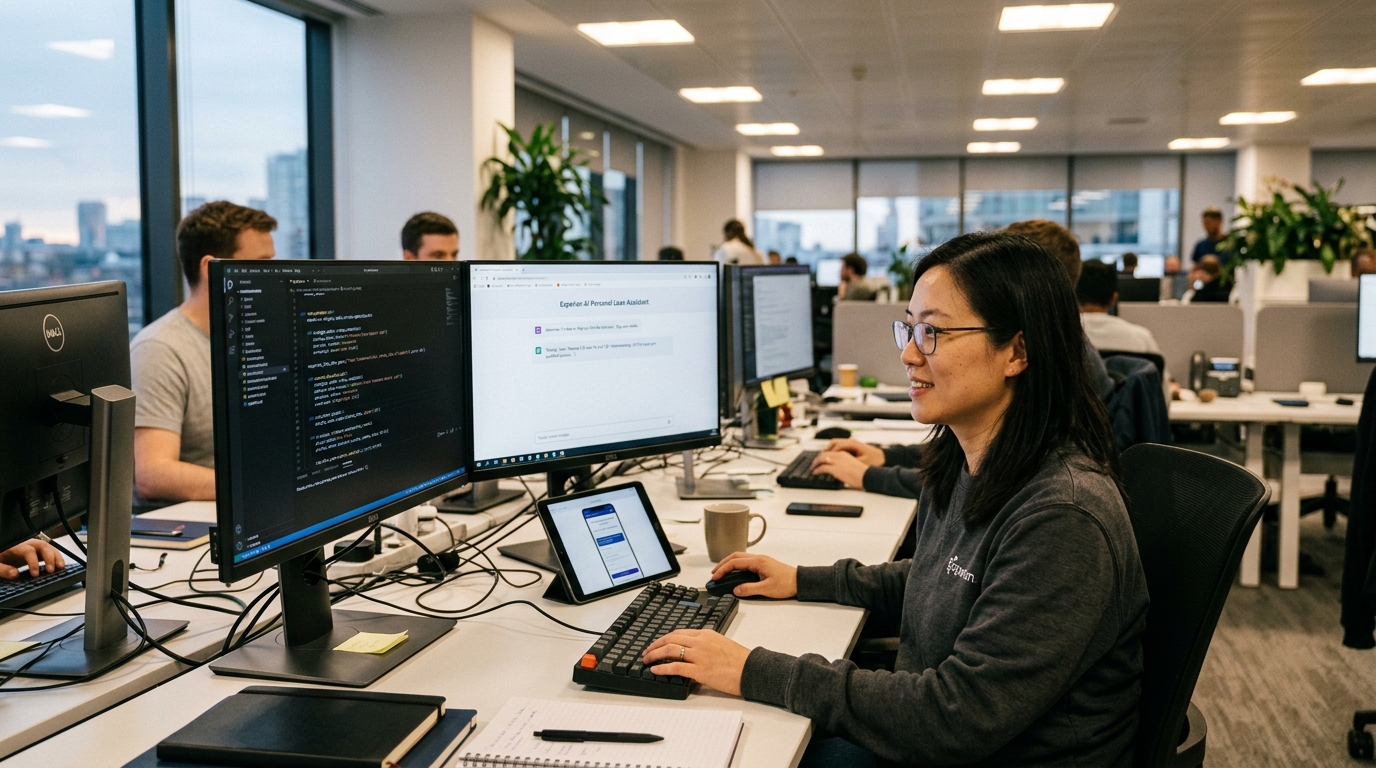
A critical pillar of this new strategy is AI-assisted coding. Tongyi Lingma, Alibaba’s AI coding assistant, has become the most widely used tool of its kind in China. With the ability to generate code, debug, and suggest real-time optimizations, Lingma is more than a productivity booster—it is a strategic gateway for enterprises into the Alibaba Cloud ecosystem.
The focus on coding is deliberate. Developers are the primary decision-makers in the modern digital economy. When a developer utilizes Alibaba’s tools to build an application, that application is statistically more likely to be hosted on Alibaba’s cloud servers. This creates an organic revenue pipeline that begins at the creation phase and culminates in long-term cloud resource consumption. Furthermore, Alibaba is investing in fine-tuning models for specific programming languages and industry standards, making MaaS indispensable for the Chinese software industry.
Geopolitics and Technological Self-Reliance
Alibaba Cloud’s pivot does not occur in a vacuum. Ongoing US restrictions on the export of advanced semiconductors, such as Nvidia’s H100 GPUs, have forced Chinese tech giants to become more resourceful. Alibaba can no longer rely solely on the raw brute force of hardware. Instead, the focus has shifted toward software optimization and architectural efficiency.
MaaS allows Alibaba to deliver high performance even with hardware constraints through techniques like model quantization and efficient inference. This "forced" innovation is making Alibaba Cloud more resilient to geopolitical pressures. Simultaneously, the ModelScope platform—China’s answer to Hugging Face—serves as a repository for thousands of models, strengthening domestic technological sovereignty and reducing reliance on Western code libraries.
The Economic Outlook and Beyond
From an investment perspective, the transition from IaaS to MaaS is a move toward higher profit margins. Cloud infrastructure requires massive capital expenditure (Capex) for servers and data centers. In contrast, selling access to models via APIs has a significantly lower marginal cost. Alibaba Cloud is aiming for a profitability model based on intellectual property rather than just hardware leasing.
However, the competition remains fierce. Baidu, with its Ernie Bot, and Tencent, with its integrated cloud solutions, are vying for the same market share. The battle will ultimately be decided by who provides the most comprehensive "intelligence ecosystem." Alibaba appears to be betting that the combination of its massive e-commerce data and its renewed focus on AI coding will give it the decisive edge in the digital economy of the next decade.