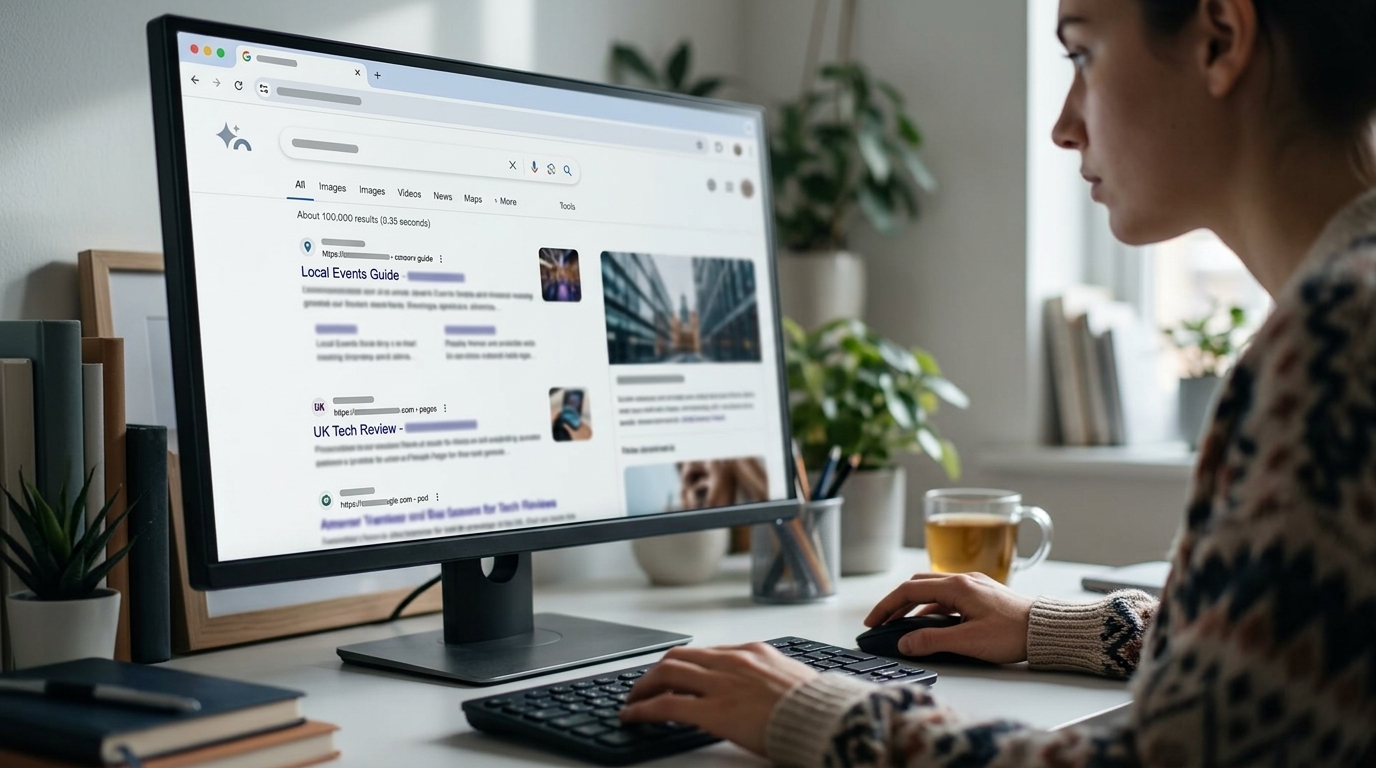
The digital marketplace is on the verge of a tectonic shift. For decades, Search Engine Optimization (SEO) was the holy grail of online visibility. If you managed to land on Google’s first page, you had won the game. Today, however, the rules are changing fundamentally. With the rise of Generative Search Engines (GSE) like Perplexity, SearchGPT, and Google’s Search Generative Experience (SGE), users no longer receive a list of links; they receive a synthesized answer. And here lies the problem: AI often prefers to cite 'random' YouTubers or Reddit users over your official brand website.
The Authenticity Crisis and the Rise of Creators
Why is this happening? Large Language Models (LLMs) are trained on massive datasets that prioritize natural language, user experience, and social proof. Corporate websites often suffer from what experts call 'corporate-speak.' They are filled with marketing clichés and optimized texts aimed at algorithms, not humans. In contrast, a YouTuber unboxing a product or a Redditor describing an honest experience offers what AI perceives as 'authenticity.'
AI isn't just looking for information; it’s looking for context. When a model tries to answer the question 'What is the best CRM software?', it will prefer a source that compares ten different solutions critically, rather than an 'About Us' page of a company claiming to be the best in the world. This creates a massive visibility gap for brands that haven't invested in third-party content ecosystems.
From SEO to GEO: The New Strategy
The solution is not to abandon SEO, but to evolve it into Generative Engine Optimization (GEO). This new approach requires marketers to think beyond their own channels. The strategy for the AI era is built on three pillars:
- Citation Dispersion: AI needs to see your brand across multiple, authoritative sources. If you are the only one talking about yourself, the AI will ignore you.
- Snippet Optimization: Your content must be structured in a way that is easily 'readable' and 'quotable' by models. This means using clear data, statistics, and punchy quotes.
- Micro-Influencer Partnerships: Those 'random' YouTubers aren't random to the AI. They are information hubs. Investing in creators who already have the trust of the algorithms is now a necessity.
Furthermore, the use of structured data (Schema Markup) is becoming more critical than ever. By providing the AI with a clear map of what you offer, you reduce the chances of hallucinations and increase the probability of being included in its source list.
The Challenge of Trust in the Digital Age
In a world where information is mass-produced by machines, the human voice gains more value. The brands that will survive are those that manage to become part of the public conversation organically. It is no longer enough to buy ad space; you must earn the citation. AI acts as a digital librarian that recommends only what it deems trustworthy based on total internet consensus.
"Your brand is no longer what you tell consumers; it is what the AI tells consumers everyone else is saying about you."
In conclusion, the transition to AI search requires a deep cultural shift within businesses. We must stop treating the internet as a billboard and start seeing it as an ecosystem of relationships. Authenticity, transparency, and third-party testimony are the new currencies of the attention economy. If your brand isn't being mentioned by 'random' creators, soon it won't be mentioned by anyone.