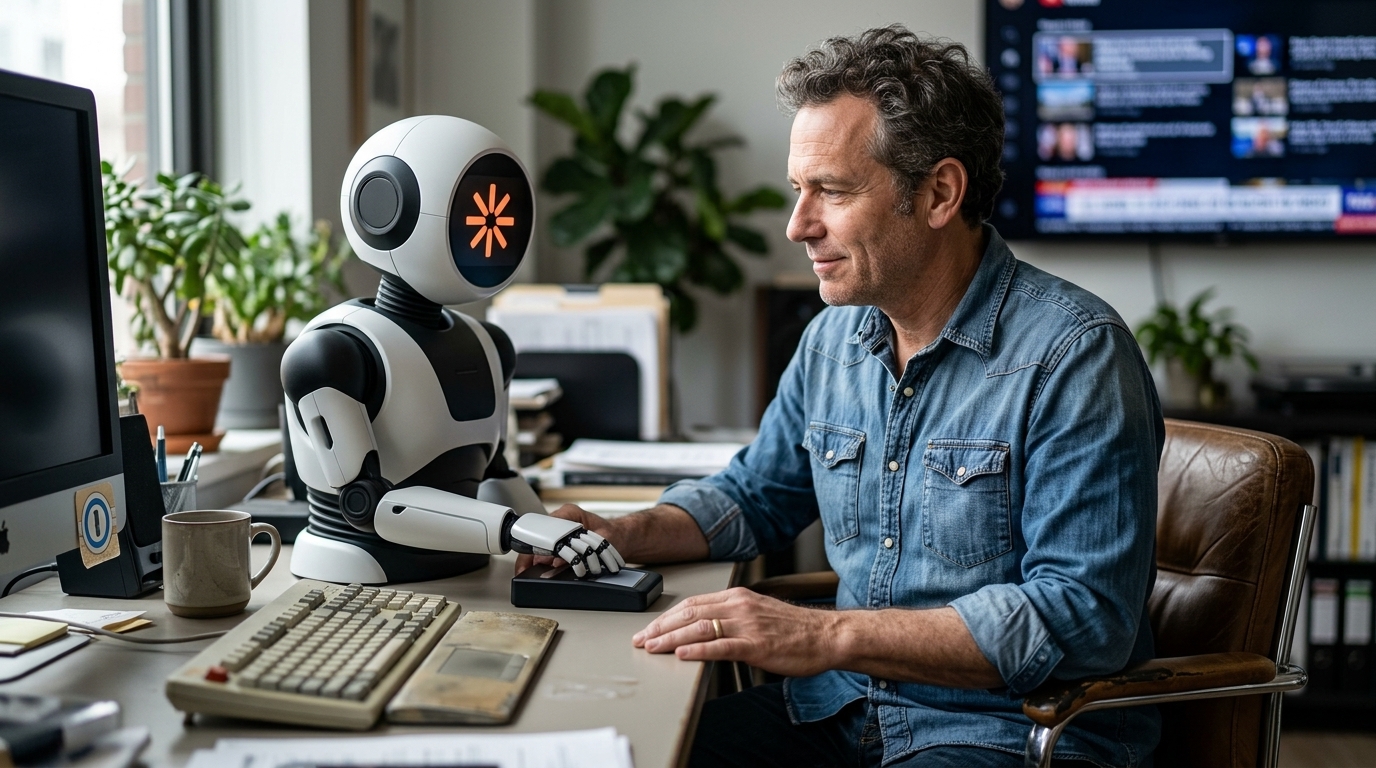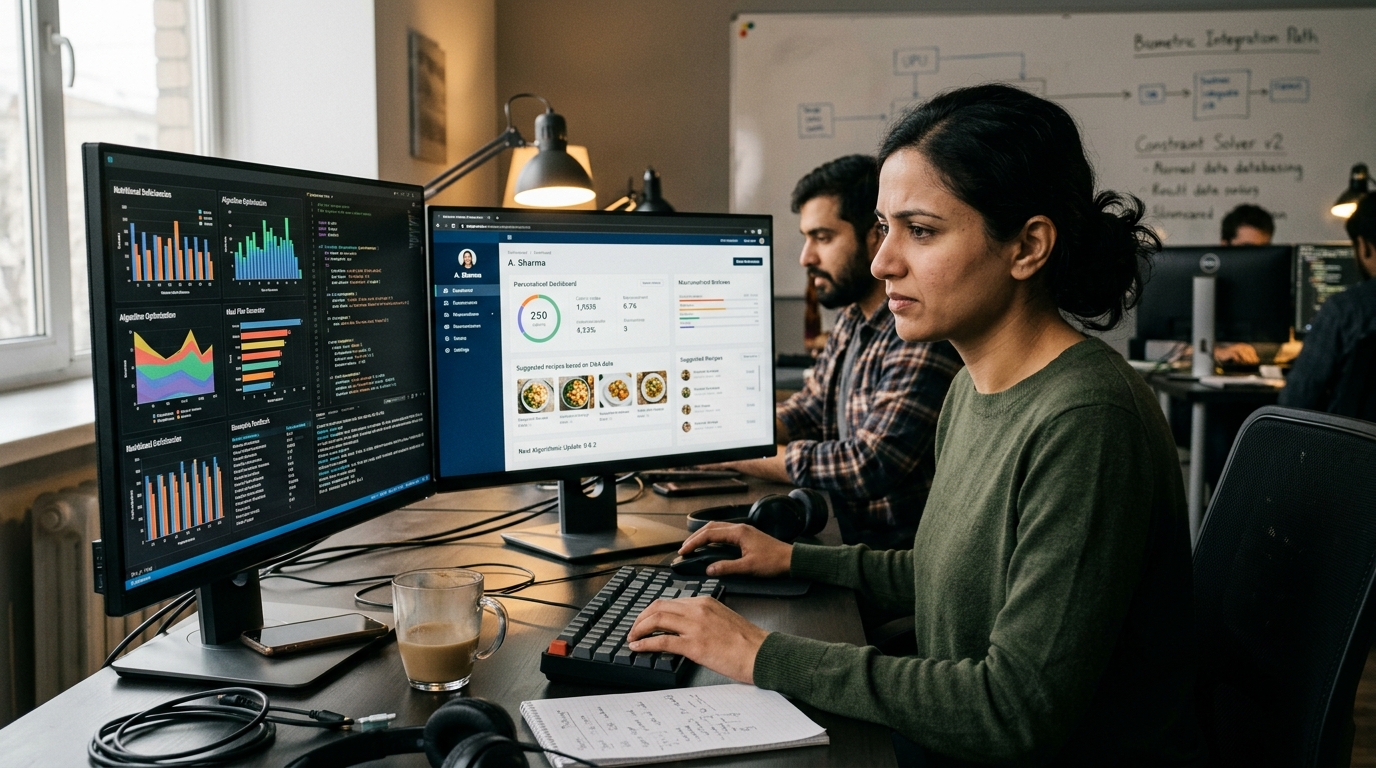
For decades, nutritional guidelines have been built on generalized models—like the traditional food pyramid—that treated the human body as a uniform machine. However, science has proven that every individual's metabolism reacts differently to the same foods. Today, in 2026, we stand at the threshold of a revolution where Artificial Intelligence (AI) is taking on the role of a personal nutritionist, offering guidance based on real-time data, daily habits, and biological markers.
The Technology Driving Personalization
Modern 'precision nutrition' is no longer limited to simple calorie counting. New AI tools integrate data from multiple sources: wearables tracking heart rate and sleep, Continuous Glucose Monitors (CGMs), and sophisticated machine learning algorithms that analyze meal composition through photos. The ability of AI to recognize food via computer vision has drastically simplified the logging process, making it far less intrusive for the user.
- Real-time glycemic response analysis.
- Predicting metabolic reactions before a meal is even consumed.
- Recommendations based on gut microbiome and genetic profiling.
- Adjusting menus according to stress levels and physical fatigue.
"Nutrition is no longer a static list of allowed foods, but a dynamic dialogue between our bodies and data," notes a leading health tech analyst.
From Tracking to Prediction and Behavioral Change
The biggest hurdle with traditional diets has always been compliance. AI addresses this through 'behavioral architecture.' Instead of rigid restrictions, these tools offer smart, timely nudges. For instance, if the AI knows a user tends to reach for unhealthy snacks at 4 PM due to a glucose dip, it can suggest a specific balanced meal at 3:30 PM to preempt the hunger crisis.
Furthermore, Large Language Models (LLMs) now allow for natural interaction. A user can ask, "I'm at an Italian restaurant; what's the best thing to order based on today's workout?" and receive an answer that considers their history, goals, and the specific restaurant's menu. This transforms technology from a passive logging tool into an active life coach.
Ethical Dilemmas and the Question of Access
Despite the impressive prospects, integrating AI into nutrition raises serious questions. The first concerns data privacy. Information about what we eat, how our bodies react, and our biological vulnerabilities is extremely sensitive. Who has access to this? Could insurance companies use this data to hike premiums for those who don't follow 'algorithmic commands'?
Another critical issue is the socioeconomic divide. Access to advanced AI tools, glucose sensors, and personalized supplements remains expensive. There is a risk of creating a two-tiered society: an elite that 'optimizes' its biology via technology, and a majority that remains trapped in an industrial food system promoting ultra-processed products. Democratizing these tools is the great challenge of the coming years.
Conclusion: Human Oversight Remains Essential
AI is not set to replace nutritionists but to provide them with the tools to be more effective. Human connection, empathy, and an understanding of the psychology behind eating remain elements that technology cannot fully replicate. The future of nutrition lies in collaboration: AI will provide the precision of data, while humans will provide the wisdom of applying it to daily life.