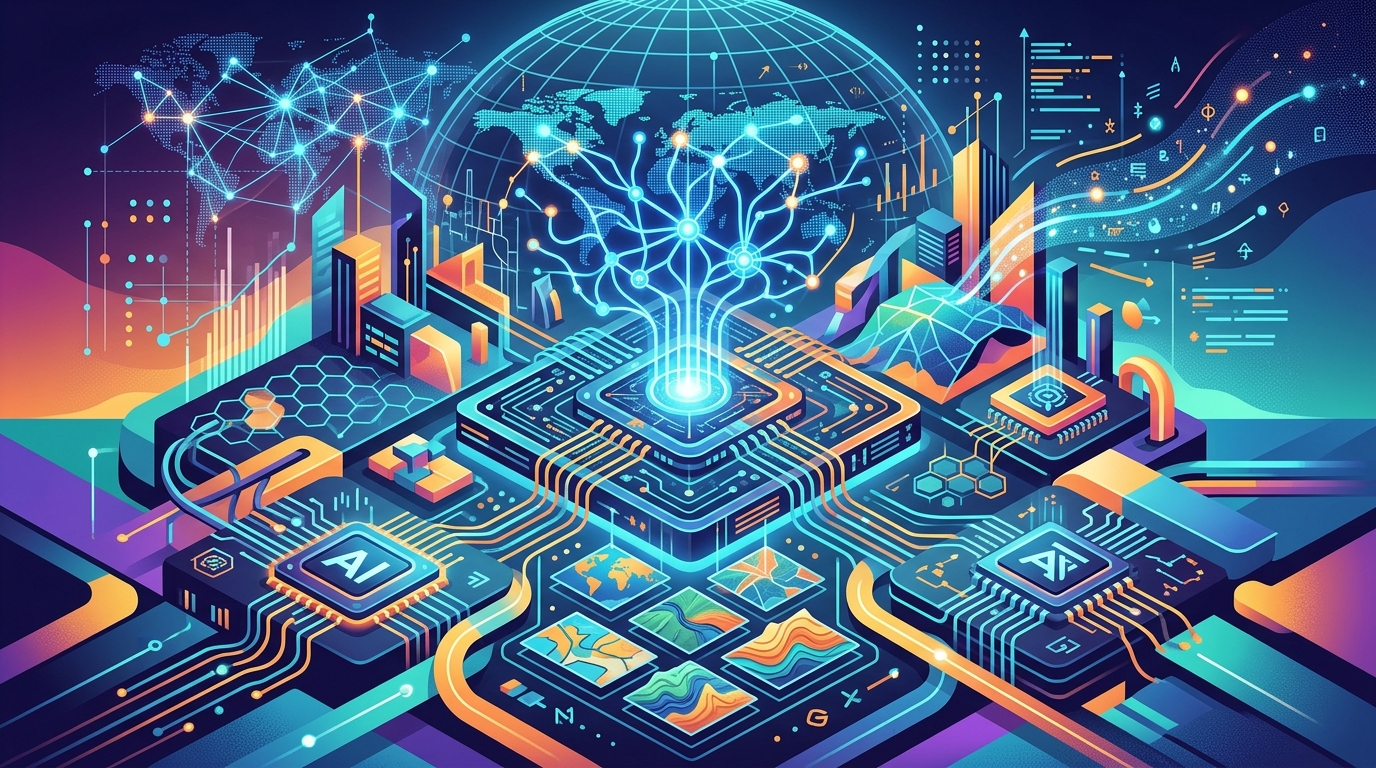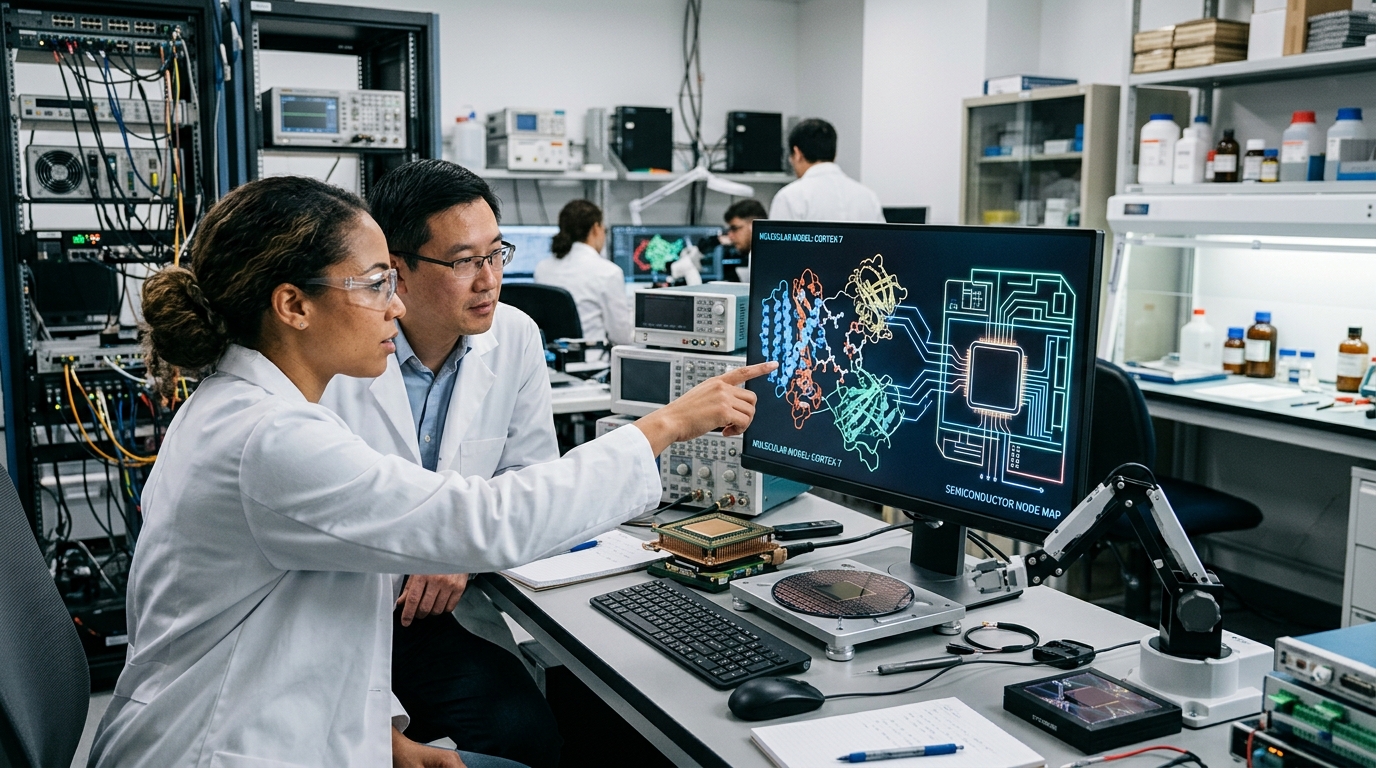
In a move set to redefine the foundations of modern science and industry, Google has announced the full integration of its quantum capabilities into its artificial intelligence models. This "holy alliance" between quantum computing and AI is not merely a technical upgrade, but a fundamental paradigm shift in how humanity solves complex problems, from molecular biology to semiconductor engineering.
The Convergence of Two Titans: Quantum and AI
For decades, quantum computing remained a field full of promise but confined to laboratory settings. Google, however, appears to have broken the barrier of practical application. By combining its Sycamore quantum processors with advanced Gemini large language models, the company has created a system capable of simulating nature at levels classical computing could never approach. Quantum AI is no longer based just on probabilities, but on a deep understanding of the quantum mechanics that govern atoms and molecules.
According to Google researchers, the ability of AI to "think" quantumly allows for data analysis in multidimensional spaces. Where a traditional supercomputer would take thousands of years to map a complex chemical reaction, quantum AI achieves it in minutes. This breakthrough paves the way for a new era of discovery based on precision rather than trial and error.
Revolutionizing the Pharmacy: From Years to Days
The pharmaceutical sector is perhaps the greatest beneficiary of this evolution. The process of discovering new drugs traditionally takes over a decade and costs billions of dollars, with massive failure rates. Google, using the evolution of AlphaFold in combination with quantum algorithms, can now predict not only protein structures but also how they interact with new drugs at a quantum level.
- Simulating molecular bonds with absolute precision, eliminating side effects before clinical trials.
- Discovering new antibiotics to combat drug-resistant microbes.
- Personalized medicine based on the quantum profile of each patient.
"We are not just designing drugs; we are understanding the language of life itself," said a Google Quantum AI executive.This capability could lead to treatments for diseases once thought incurable, such as certain types of cancer or Alzheimer's, as AI can identify therapeutic targets that were previously invisible.
The Silicon Loop: AI Designing the Hardware of the Future
Beyond biology, Google is applying quantum AI to its own existence: chip design. Modern semiconductors have reached physical limits where classical electronic phenomena begin to fail due to quantum interference. Instead of trying to avoid these phenomena, Google is using quantum AI to exploit them.
Next-generation TPU (Tensor Processing Units) chips are being designed by algorithms that optimize electron flow on a nanoscopic scale. This leads to processors that are exponentially faster and, more importantly, much more energy-efficient. In a world hungry for computational power but pressured by climate change, creating chips that consume a fraction of today's energy is vital.
Geopolitics and Quantum Sovereignty
This announcement carries deep geopolitical implications. The race for quantum supremacy between the US and China is at its peak. Google, acting as the technological arm of American power, is establishing a lead that is difficult to challenge. Possessing the ability to break encryptions or develop new materials before anyone else constitutes the ultimate strategic advantage of the 21st century.
However, questions arise regarding the concentration of such power within a single corporation. If Google controls the keys to the medicines of the future and the infrastructure of AI, who will control Google? The need for a global regulatory framework to ensure that the fruits of quantum AI are distributed fairly across humanity is more pressing than ever.