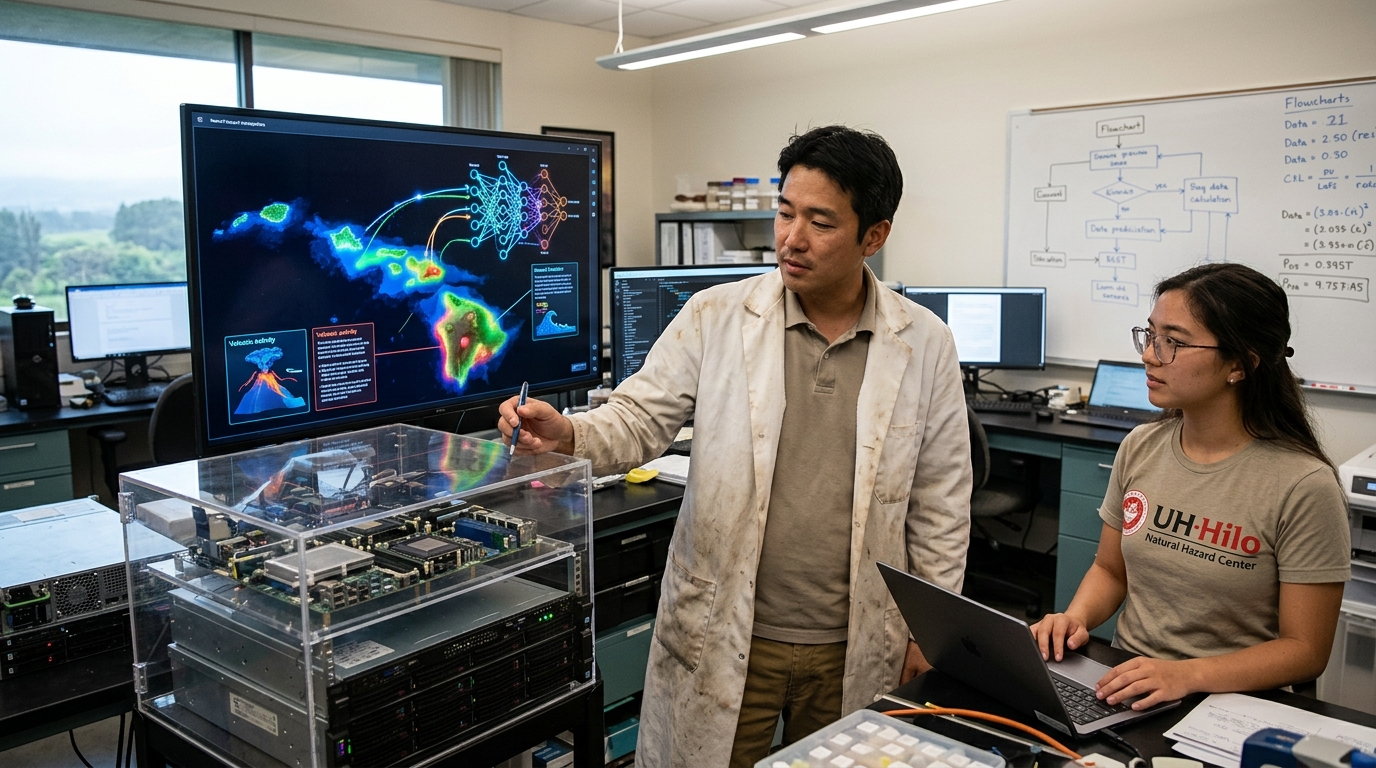
In the heart of the Pacific Ocean, where geological forces are constantly reshaping the landscape, the University of Hawaii at Hilo (UH Hilo) is embarking on a mission that could redefine global disaster safety. Hawaii, a land of breathtaking beauty and extreme natural hazards—ranging from active volcanoes and earthquakes to tsunamis and catastrophic wildfires—is becoming the ultimate testing ground for a new generation of "Natural Hazard Intelligence" powered by Artificial Intelligence.
The UH Hilo initiative is far more than an academic exercise; it is a critical necessity for survival. Following the tragic Lahaina wildfires and the ongoing eruptions of Kilauea, the need for early warning systems that transcend human data-processing capabilities has never been more urgent. AI offers the ability to process vast streams of data from satellites, ground sensors, and meteorological stations in real-time, identifying patterns that the human eye simply cannot detect.
The Science of Predictive Intelligence
The research program focuses on developing deep learning models capable of simulating the trajectory of natural disasters. For instance, in volcanic risk management, AI analyzes seismic activity and ground deformation to predict lava flow directions. This allows authorities to execute evacuations with surgical precision, minimizing panic and optimizing the allocation of emergency resources.
Furthermore, the research extends into wildfire prediction—a threat exacerbated by climate change. By integrating data on fuel moisture, wind velocity, and local temperatures, AI systems can generate dynamic "risk maps" that update by the minute. This proactive approach enables fire departments to pre-position assets in high-risk zones before a single spark is even ignited, shifting the paradigm from suppression to prevention.
Bridging Data and Civil Protection
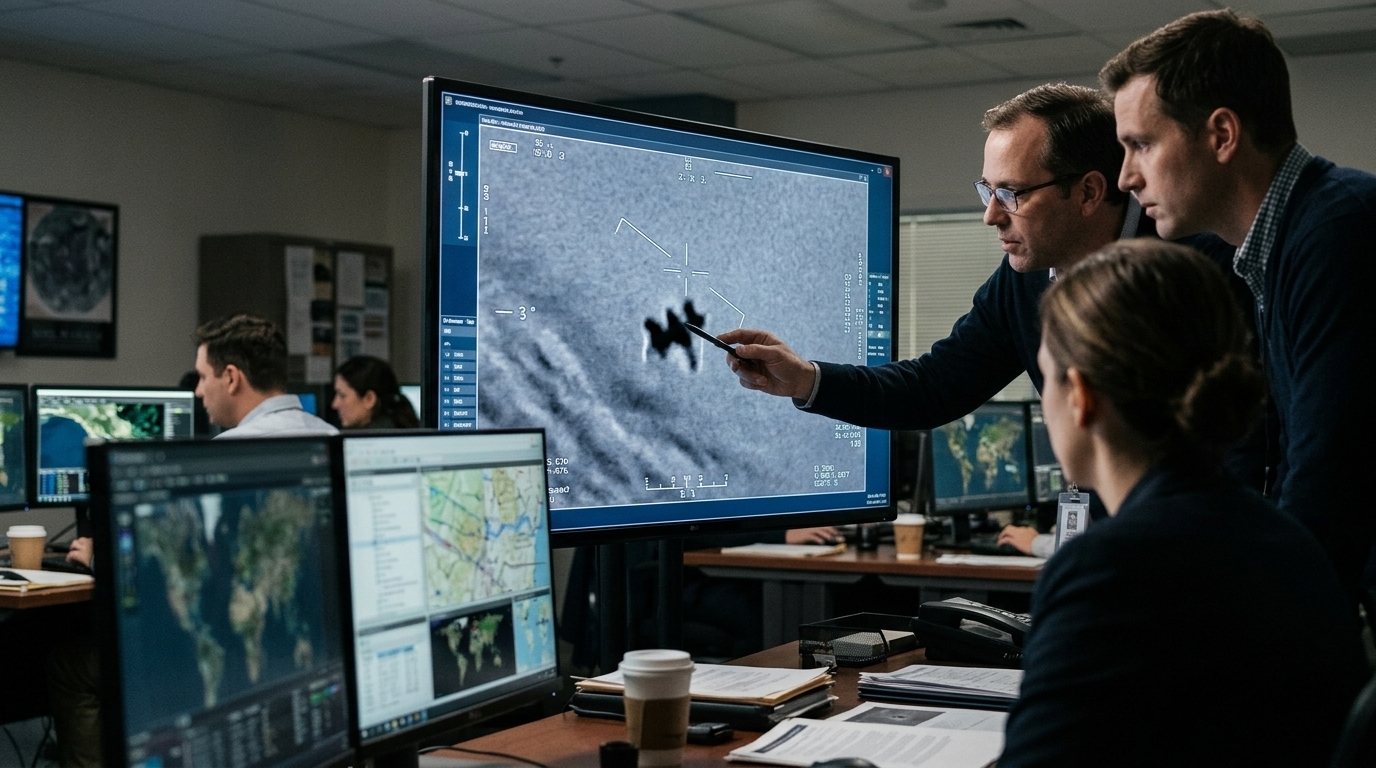
One of the primary hurdles in disaster management is "information paralysis." Decision-makers are often overwhelmed by conflicting data points during a crisis. UH Hilo’s approach focuses on creating "intelligent dashboards" that translate complex algorithmic outputs into clear, actionable insights. It is not just about predicting the event itself, but understanding its cascading effects on critical infrastructure, such as power grids and evacuation routes.
Collaboration with local communities and Native Hawaiian practitioners is also a cornerstone of the project. Researchers are working to integrate traditional ecological knowledge into algorithmic models, recognizing that high-tech solutions must complement the centuries of environmental wisdom held by the island's indigenous population. This synthesis of ancient observation and modern computation creates a more holistic approach to resilience.
Challenges and Ethical Considerations
Despite the immense potential, the deployment of AI in public safety is not without its hurdles. Data integrity remains the paramount concern. A "false positive" for a tsunami could cause millions in economic disruption and erode public trust. Conversely, a "false negative" could be catastrophic. Researchers at Hilo are heavily invested in "Explainable AI" (XAI) to ensure that scientists can interpret the logic behind an algorithm's prediction rather than treating it as an infallible "black box."
Moreover, there is the question of equity and access. Will these sophisticated tools remain the exclusive domain of wealthy institutions and nations, or will they be shared with developing countries that are disproportionately affected by climate-induced disasters? Hawaii, positioned as a bridge between East and West, aspires to be the beacon that disseminates this vital expertise globally.
Conclusion
The UH Hilo initiative marks the dawn of a new era in natural hazard mitigation. Moving from reactive management to proactive intelligence is the only viable path for protecting human life on an increasingly volatile planet. As the climate crisis intensifies, Artificial Intelligence is no longer a futuristic luxury; it is becoming our most essential shield. The lessons learned on the slopes of Mauna Loa and the shores of Hilo will undoubtedly shape the future of planetary defense.