Until recently, the trajectory of Artificial Intelligence (AI) was largely confined to the digital ether: generating prose, synthesizing images, and optimizing code. However, as we move through 2026, a paradigm shift is underway. The emergence of 'Physical AI'—the integration of advanced neural networks with physical embodiment—is fundamentally altering the landscape of robotics. This is no longer just about machines that can calculate; it is about machines that can navigate, feel, and manipulate the physical world with a level of nuance previously reserved for biological entities.
The Shift to Embodied Intelligence
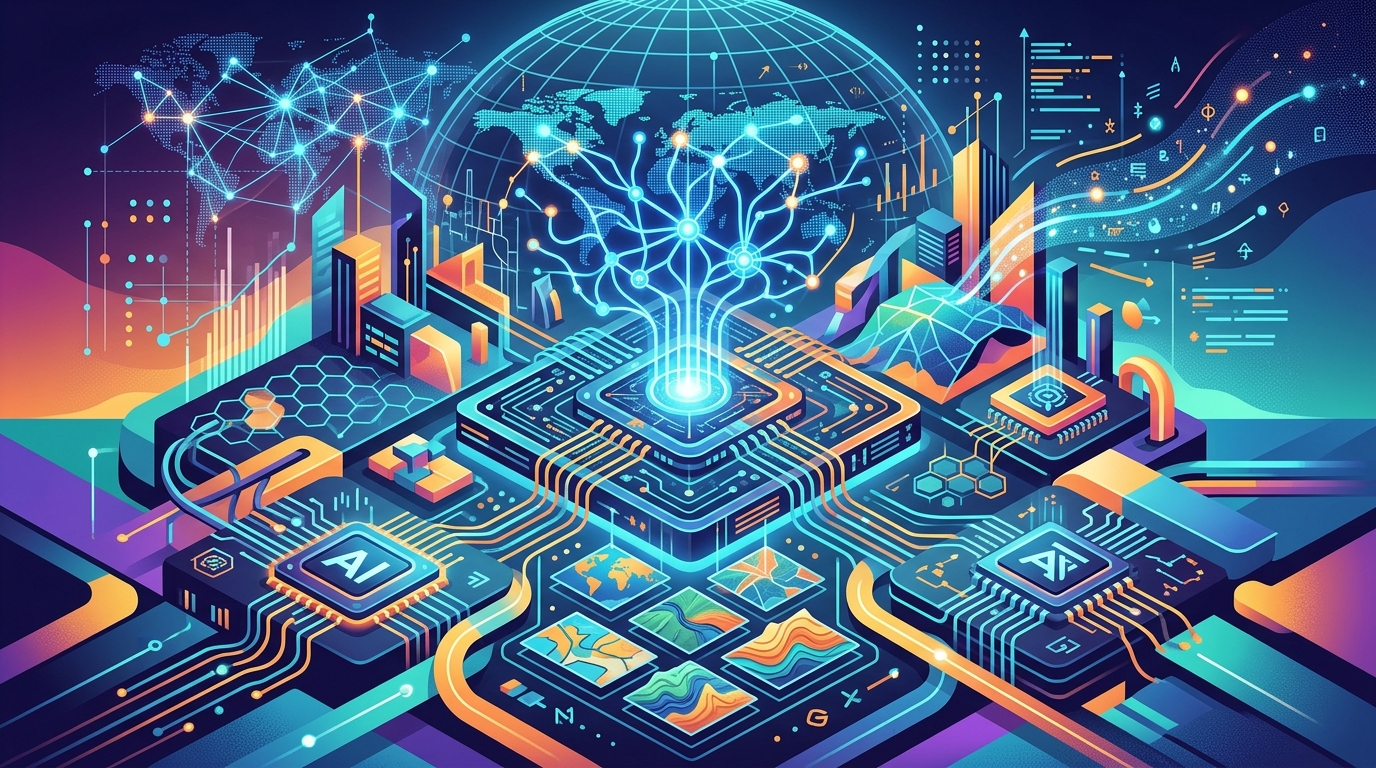
Physical AI represents the convergence of Large Language Models (LLMs) and 'World Models.' While a standard AI can describe the physics of a lever, Physical AI allows a robot to intuitively understand the torque required to lift a fragile object under varying gravity or friction. This 'embodiment' is the missing link that moves AI from a disembodied brain in a jar to a functional agent in our daily lives.
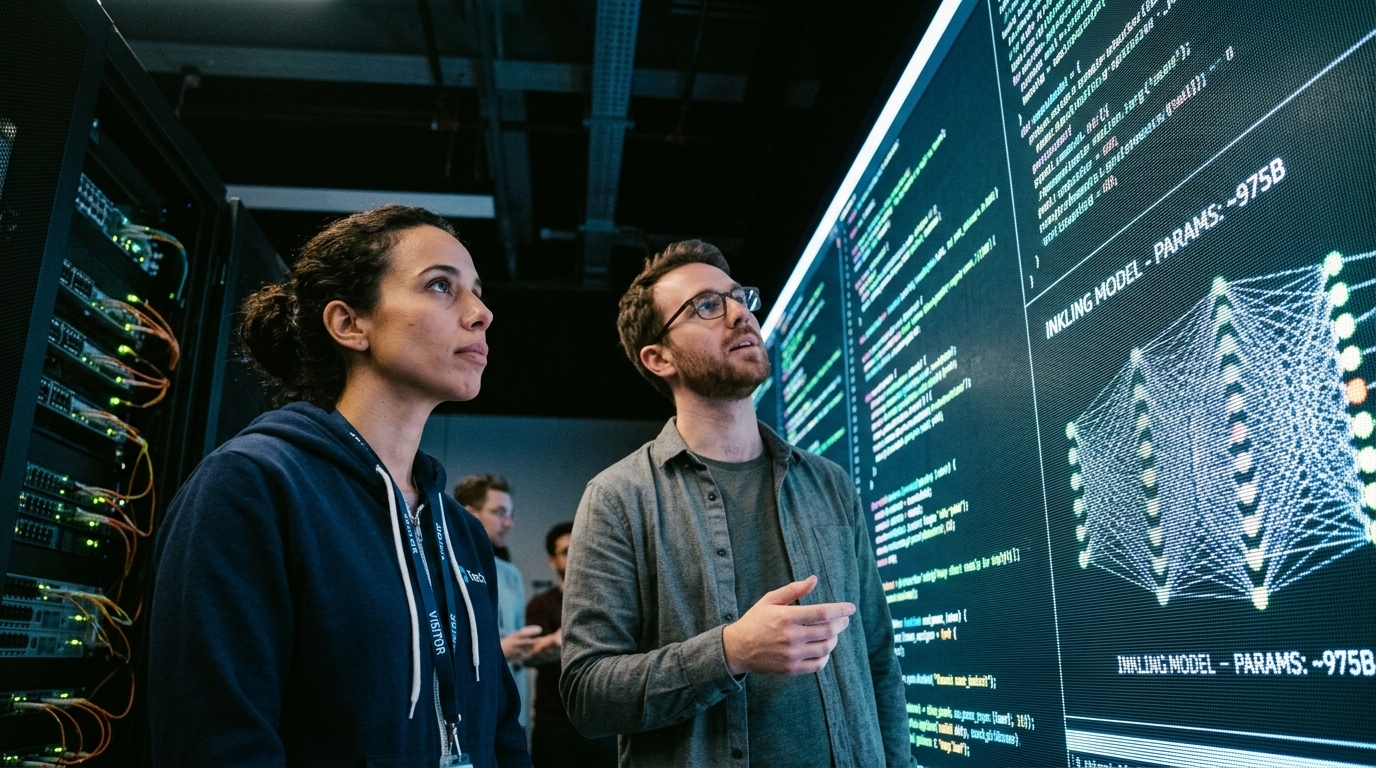
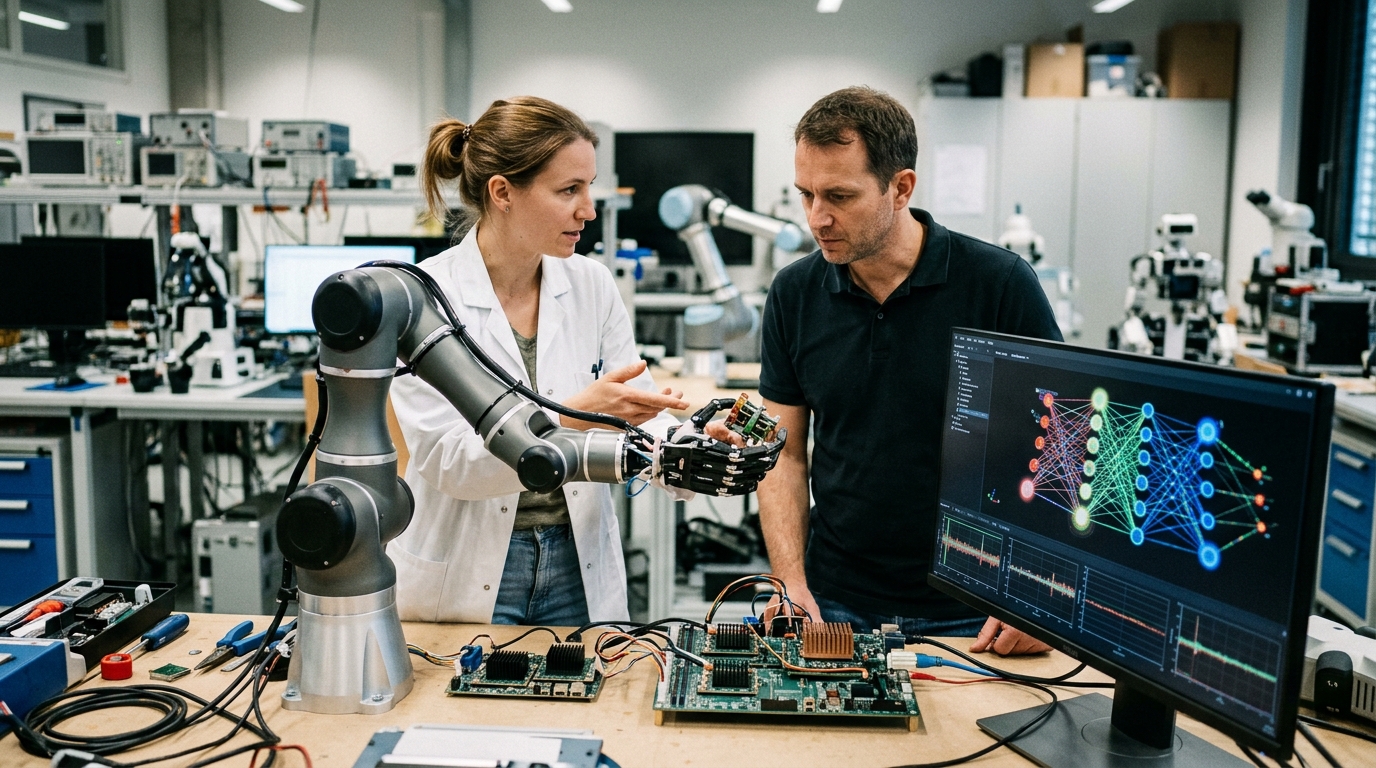
The core of this revolution lies in sensorimotor integration. Modern robots are being equipped with high-fidelity tactile sensors and multimodal vision systems that feed into 'Robot Transformers.' These models learn not through rigid lines of code, but through massive-scale reinforcement learning. By practicing in hyper-realistic digital twins, these systems bridge the 'Sim-to-Real' gap, allowing a robot to perform tasks in the messy, unpredictable real world after millions of iterations in a simulated one.
Humanoids and the New Industrial Standard
The most striking manifestation of Physical AI is the rise of general-purpose humanoid robots. Companies like Figure, Tesla, and Boston Dynamics are no longer building specialized machines for single tasks. Instead, they are developing platforms capable of learning a variety of roles—from sorting logistics in a warehouse to performing delicate assembly in a factory.
- Generalization: Unlike traditional industrial robots, Physical AI-powered machines can generalize skills. Learning to pick up a box helps them learn to pick up a tool.
- Spatial Awareness: Advanced SLAM (Simultaneous Localization and Mapping) combined with AI allows robots to operate safely alongside humans without safety cages.
- Zero-Shot Learning: We are approaching a point where a robot can be told a task in plain English and execute it by visual reasoning alone.
This technological leap is driving a new industrial revolution. For the first time, the limiting factor of automation is no longer the complexity of the task, but the availability of the hardware itself. The implications for global supply chains and labor markets are profound, as the cost of robotic labor begins to decouple from human cost-of-living metrics.
The Challenges of Real-World Deployment
Despite the rapid progress, Physical AI faces significant hurdles. The 'long tail' of edge cases—rare events that haven't been simulated—remains a safety concern. A robot might know how to walk on a floor, but how does it react to a spilled liquid it has never encountered? Furthermore, the energy requirements for running high-inference AI models on mobile hardware are substantial, necessitating breakthroughs in battery density and edge computing.
"The challenge is no longer making the machine think, but making it feel the resistance of reality," notes a lead researcher at the MIT CSAIL.
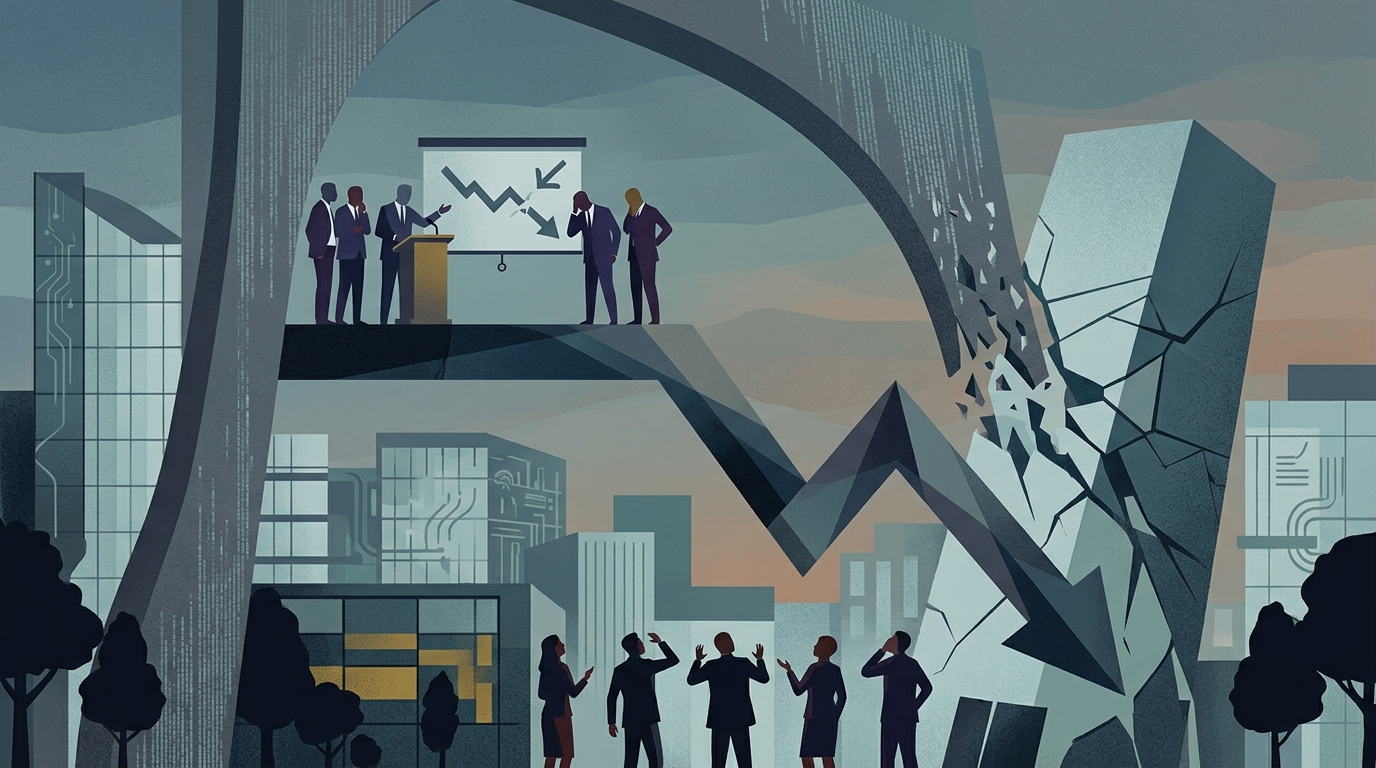
Ethical and regulatory frameworks are also struggling to keep pace. As robots become autonomous actors, the legal definitions of liability and agency must be rewritten. The European Union's AI Act is already being scrutinized for how it handles 'embodied' systems that can cause physical harm or property damage through autonomous decision-making.
Conclusion: A New Era of Collaboration
The rise of Physical AI does not signal the end of human labor, but its transformation. As machines take over the 'Dull, Dirty, and Dangerous' jobs with newfound intelligence, humans will shift toward roles of oversight, creative direction, and complex problem-solving. We are entering an era where the digital and physical are no longer separate domains. The ghost in the machine has finally found its body, and the world will never be the same.