At a critical juncture for global shipping, where pressure for decarbonization and digital transformation is intensifying, Greece is attempting to redefine its role. The recent signing of a Memorandum of Understanding (MoU) between HEMEXPO (Hellenic Marine Equipment Manufacturers & Exporters) and the Hellenic Institute of Marine Technology (ELINT) is not merely a formal administrative act, but a strategic move with profound implications for the national economy and the country's technological sovereignty in the maritime sector.
For decades, Greece has been recognized as the world's leading ship-owning power. However, its relationship with the production of marine technology and equipment often remained in the shadow of the commercial activity of the vessels themselves. This collaboration aims to correct a historical asymmetry: the connection of academic research and scientific knowledge produced in Greek institutions with direct industrial application and commercial exploitation.
The Convergence of Science and Production
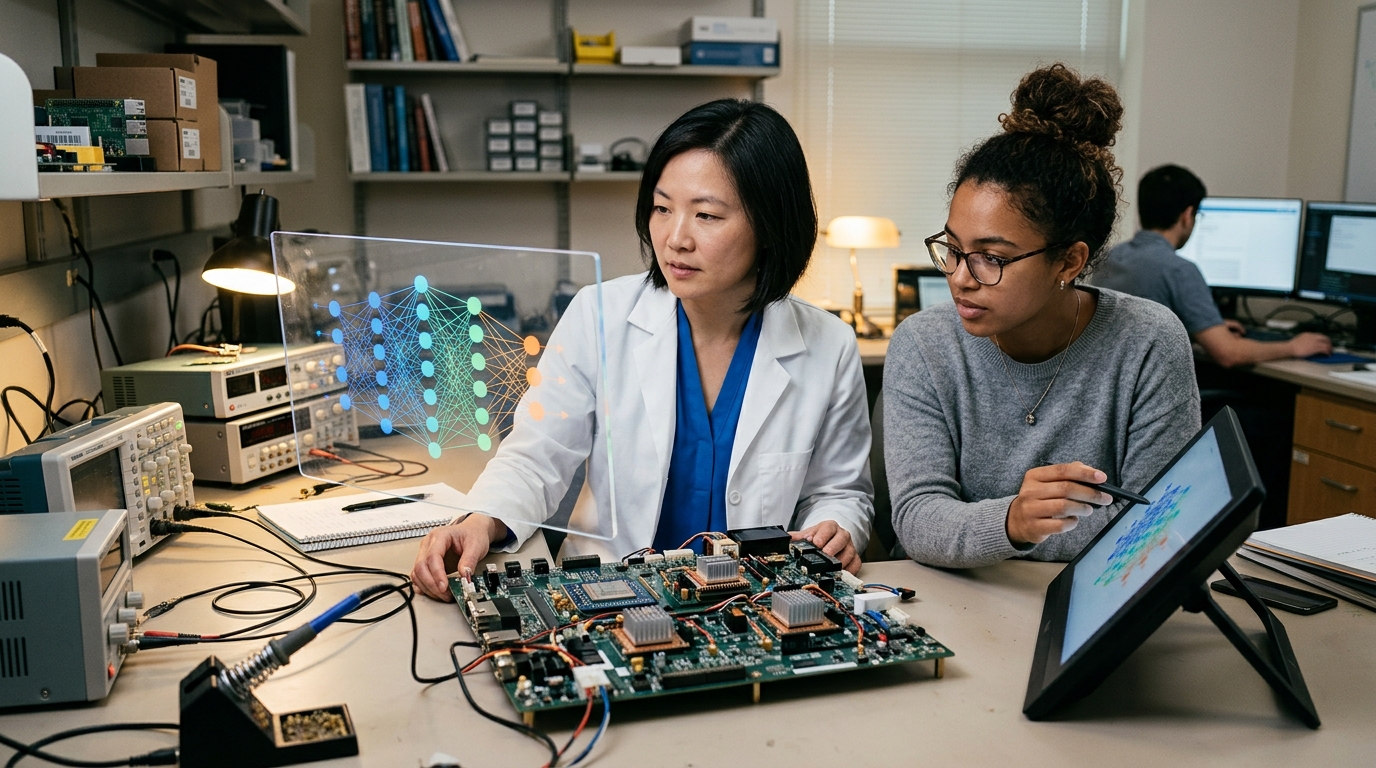
ELINT, as a primarily scientific body, possesses the intellectual capital and research foresight required to solve complex naval architecture and engineering problems. On the other hand, HEMEXPO represents the extroverted Greek industry that manufactures everything from advanced ballast water treatment systems to smart energy management systems. The union of these two worlds aims to create an ecosystem where research does not simply end in a publication but in a competitive product that will equip the ships of the future.
According to the terms of the MoU, the two bodies will cooperate in organizing technical seminars, promoting joint research programs, and formulating proposals for the State and the European Union. Emphasis is placed on developing technologies that reduce the environmental footprint of ships, aligning with the strict regulations of the International Maritime Organization (IMO).
Green Transition and Artificial Intelligence
This collaboration takes place at a time when shipping faces the greatest challenge in its history: full decarbonization by 2050. The need for alternative fuels (such as ammonia, hydrogen, and methanol) and the optimization of energy efficiency require solutions that do not yet exist on a large scale. The Greek research community, through ELINT, now has a direct channel of communication with HEMEXPO manufacturers to test prototypes in real-world conditions.
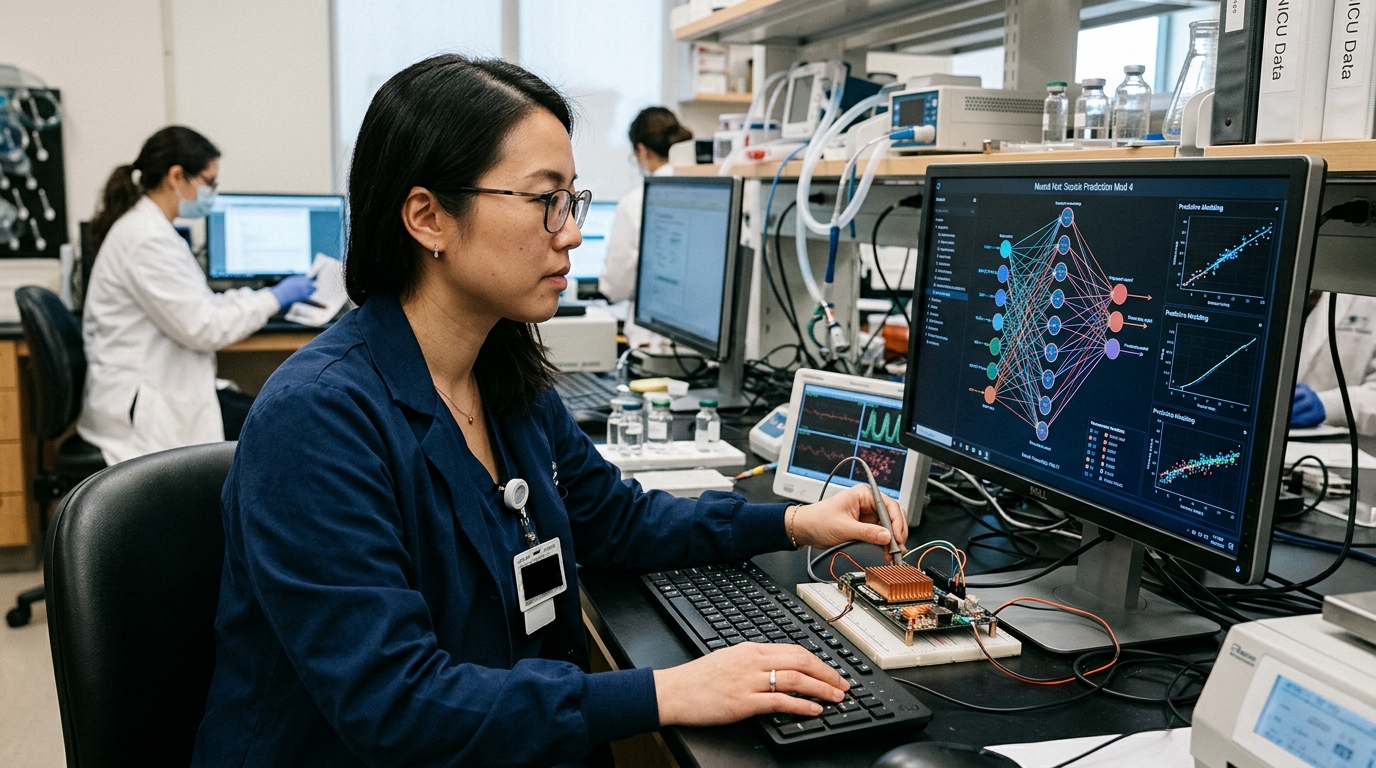
Furthermore, the integration of Artificial Intelligence (AI) into maritime operations is a central pillar of the collaboration. From predictive maintenance of engines to autonomous navigation and route optimization for fuel reduction, the synergy of the two bodies can position Greece at the forefront of "Smart Ships." Digitalization is no longer an option but a prerequisite for survival in the global market.
Addressing Brain Drain and Boosting Exports
One of the most important, though less obvious, aspects of this agreement is the creation of opportunities for young Greek scientists and engineers. Connecting research with industry means that graduates from our Technical Universities will be able to find high-level employment within the country, contributing to the reversal of the brain drain. Internships and participation in industrial projects under the auspices of HEMEXPO and ELINT will provide the necessary experience to staff a modern maritime industry.
At the same time, strengthening domestic production has a direct impact on the trade balance. HEMEXPO members already export to some of the world's largest shipyards, from Korea and China to Germany. With ELINT's scientific seal of approval, Greek products gain additional credibility and prestige, allowing them to claim larger market shares in a global industry worth billions.
"Greek shipping must be supported by Greek technology. Our collaboration with ELINT is the key to turning innovation into action and Greece into a technological hub for global shipping," state HEMEXPO circles.
In conclusion, this initiative serves as a model for how collaboration between different entities can create multiplier benefits. In a rapidly changing world, a country's ability to produce its own solutions to future problems is the only guarantee for its long-term prosperity. The bridge between research and industry being built today is the road upon which Greek shipping will sail for the coming decades.