In the ever-evolving landscape of oncology, interventional radiotherapy—commonly known as brachytherapy—has long stood as a pillar of precision. It allows clinicians to deliver high doses of radiation directly into a tumor while sparing surrounding healthy tissues. However, this process, though effective, is traditionally labor-intensive and heavily reliant on the subjective judgment and experience of the radiation oncologist. According to recent insights from Hathal Haddad, published via Oncodaily, Artificial Intelligence (AI) is no longer a distant promise but a present reality fundamentally reshaping this clinical practice.
Automating Contouring and Organ Segmentation
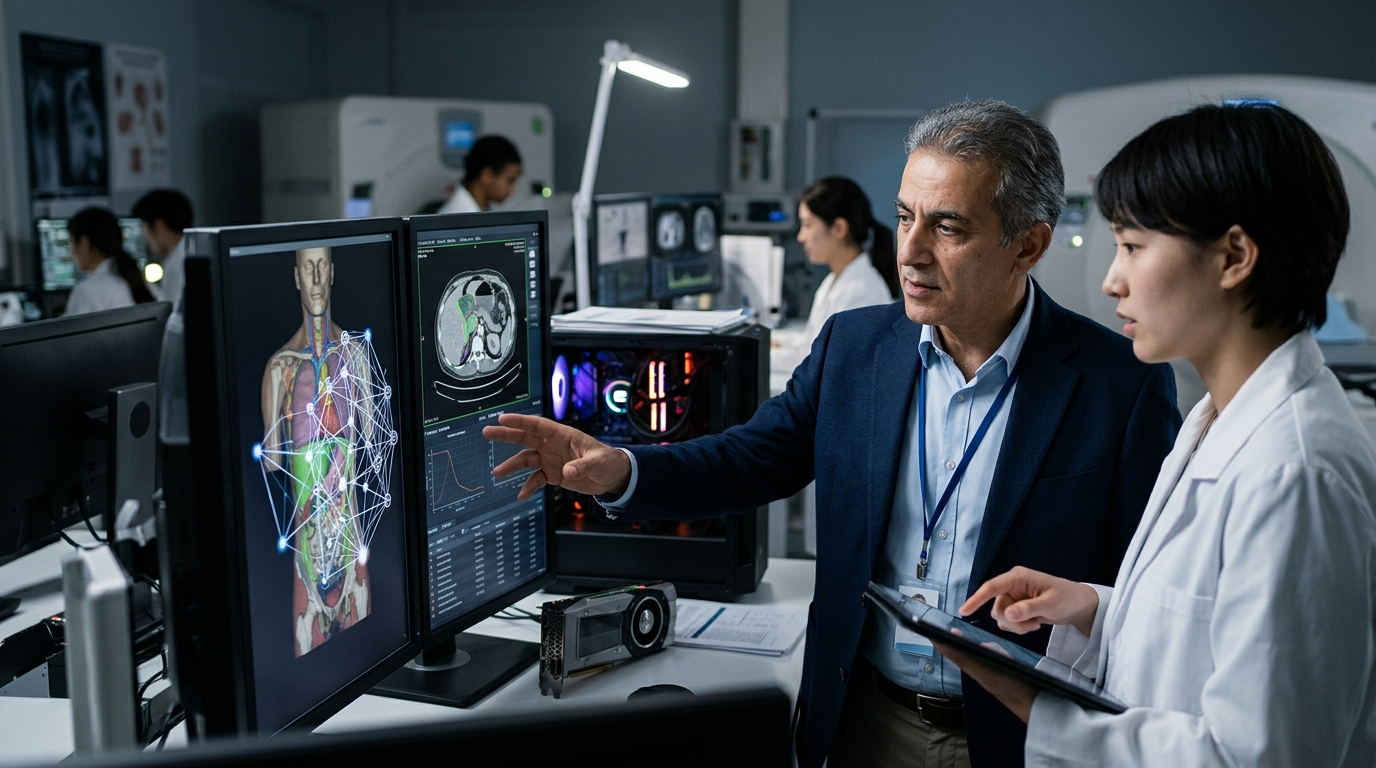
One of the most critical and time-consuming phases of interventional radiotherapy is the contouring of the tumor and adjacent organs-at-risk (OARs) on CT or MRI scans. This manual process can take hours, with significant variability between different practitioners. The introduction of Deep Learning algorithms now enables automated segmentation with precision that often surpasses human capability, reducing preparation time from hours to mere seconds.
As Haddad points out, AI does not replace the physician; rather, it provides a "digital assistant" that eliminates fatigue-related errors and inter-observer variability. This is particularly crucial in prostate or cervical cancer cases, where anatomy can shift slightly between treatment sessions. AI's ability to adapt to these changes in real-time—known as adaptive radiotherapy—ensures that the radiation dose remains focused exactly where it is needed, significantly minimizing long-term side effects.
Dose Optimization and Predictive Analytics
Beyond imaging, AI is tackling the complex mathematical puzzle of dose planning. Finding the ideal placement for radioactive sources to achieve maximum tumor coverage with minimum healthy tissue exposure is an optimization problem that AI algorithms solve with staggering speed. By leveraging historical data from thousands of successful treatments, these systems can suggest treatment plans tailored to the unique biological and anatomical profile of each patient.
- Efficiency: Drastically reducing planning time, allowing clinics to treat more patients effectively.
- Precision: Minimizing "hot spots" of radiation in critical organs like the bladder and rectum.
- Personalization: Adjusting the treatment plan based on the tumor's specific biological response.
Furthermore, the integration of radiomics—the extraction of quantitative data from medical images invisible to the naked eye—allows AI to predict the likelihood of recurrence or the onset of toxicity before treatment even begins. This shifts radiotherapy from a reactive process to a proactive, strategic intervention.
Challenges and the Ethical Imperative
Despite the enthusiasm, the adoption of AI in interventional radiotherapy is not without hurdles. Hathal Haddad emphasizes the need for algorithmic transparency—addressing the so-called "black box" problem. Clinicians must be able to understand the rationale behind an AI’s recommendation. Trust is built through rigorous clinical validation and continuous human oversight.
"Artificial Intelligence in oncology is not about automating medicine, but about enhancing the human capacity to provide hope where there was once uncertainty."
Data quality remains another significant concern. Algorithms are only as good as the data they are trained on. If training sets are limited to specific demographics, there is a risk of algorithmic bias. This necessitates the use of global, diverse datasets to ensure equity in treatment outcomes. Finally, the legal framework of liability is still being defined: if an AI system makes an error, who is responsible? The medical community’s consensus remains clear: the human physician is the ultimate arbiter and remains responsible for the final clinical decision.
The Future: Toward a Fully Automated Workflow?
Looking ahead, the convergence of robotics and AI promises even more radical shifts. Imagine robotic systems that, guided by AI, place brachytherapy needles with sub-millimeter precision, correcting their trajectory in real-time as the patient breathes. This level of synergy could make interventional radiotherapy less invasive and more accessible to smaller medical centers that lack highly specialized personnel.
In conclusion, Haddad’s analysis highlights that we are at a turning point. Artificial Intelligence is not merely an efficiency tool but a catalyst for the qualitative upgrading of cancer care. The challenge for the global medical community is to embrace this technology with a critical mind, ensuring that innovation always walks hand-in-hand with ethics and patient safety.