In the high-stakes world of modern surgery, precision is everything. Yet, for decades, the primary tools used by surgeons to join tissues and nerves have remained remarkably primitive: needles and thread. While effective for skin or muscle, traditional sutures can be a blunt instrument when dealing with delicate peripheral nerves or blood vessels. A French biotech startup, Tissium, is aiming to shatter this paradigm by leveraging polymer science and the power of light.
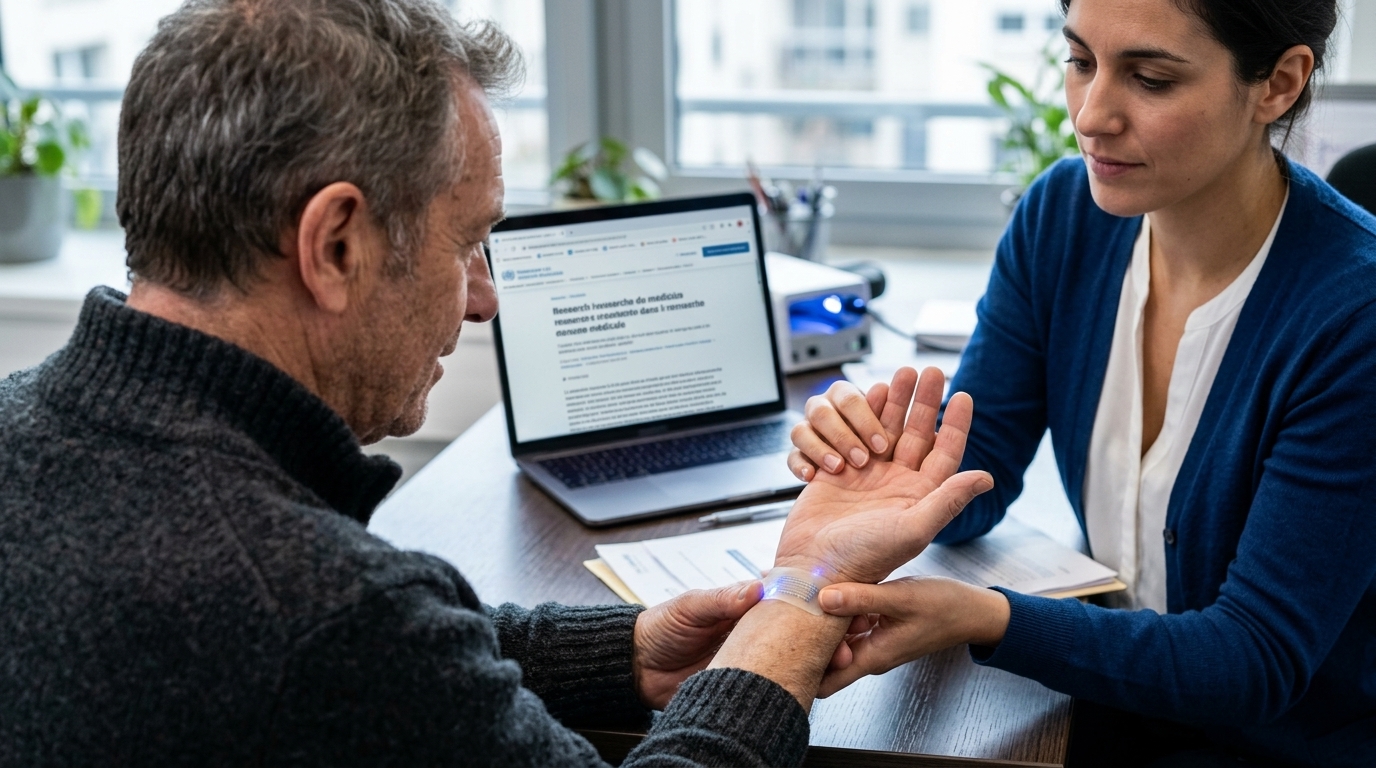
Tissium’s technology centers on a proprietary polymer that remains in liquid form until it is exposed to a specific frequency of blue light. This process, known as photopolymerization, allows surgeons to apply the material with absolute precision to injured sites and then "cure" it within seconds, creating a flexible, waterproof, and biocompatible seal.
Nature’s Blueprint and the "Avocado Hand" Problem
The story begins with an unlikely source of inspiration: the gecko. This small lizard can cling to almost any surface due to microscopic structures on its feet. The researchers who founded Tissium—hailing from institutions like MIT and Brigham and Women’s Hospital—sought to replicate this adhesive capability in the wet, dynamic environments found inside the human body.
A classic example of the need for such technology is the so-called "avocado hand"—a common injury where people sever the nerves in their fingers while trying to pit an avocado. Repairing these nerves with sutures is notoriously difficult; the needle itself can cause further trauma to the already fragile nerve fibers. Tissium’s polymer acts as a scaffold or a sleeve, allowing the nerve fibers to regrow without the mechanical stress and inflammation caused by traditional stitching.
How Light-Activated Sealing Works
The material developed by Tissium is a pre-polymer based on glycerol and sebacic acid, both of which are naturally occurring substances in the human body. This makes it exceptionally safe and biodegradable. When the surgeon applies the liquid to the tissue, it flows into the microscopic irregularities of the surface. Once the blue light is activated, the liquid transforms into an elastic solid that stays in place even under the pressure of blood flow or organ movement.
- Elasticity: The polymer mimics the natural mechanical properties of human tissue, moving with the body rather than resisting it.
- Biodegradability: As the tissue heals over time, the material is gradually absorbed by the body, eliminating the need for follow-up removal procedures.
- Speed: The curing process takes less than a minute, significantly reducing operating room time.
This approach isn't limited to nerves. The company is exploring applications in cardiovascular surgery, where sealing vessels is a matter of life and death, as well as in gastroenterology for sealing leaks in the digestive tract.
European Medtech Taking the Lead
The rise of Tissium is also a significant win for the European tech ecosystem. Based in Paris, the company demonstrates that Europe can lead in the realm of deep tech and biomedicine. Their strategy of combining rigorous academic research with entrepreneurial agility has attracted substantial capital from global investors.
"We aren't just trying to replace the suture; we are trying to redefine how the body interacts with synthetic materials during the healing process," company representatives state.
In the future, this technology could be paired with 3D printing in the operating room, allowing doctors to "print" customized tissue patches directly onto the patient. As clinical trials progress, the promise of scar-free, minimally painful surgery seems closer than ever. The transition from mechanical fasteners to biological adhesives marks a pivotal shift in how we approach human repair.