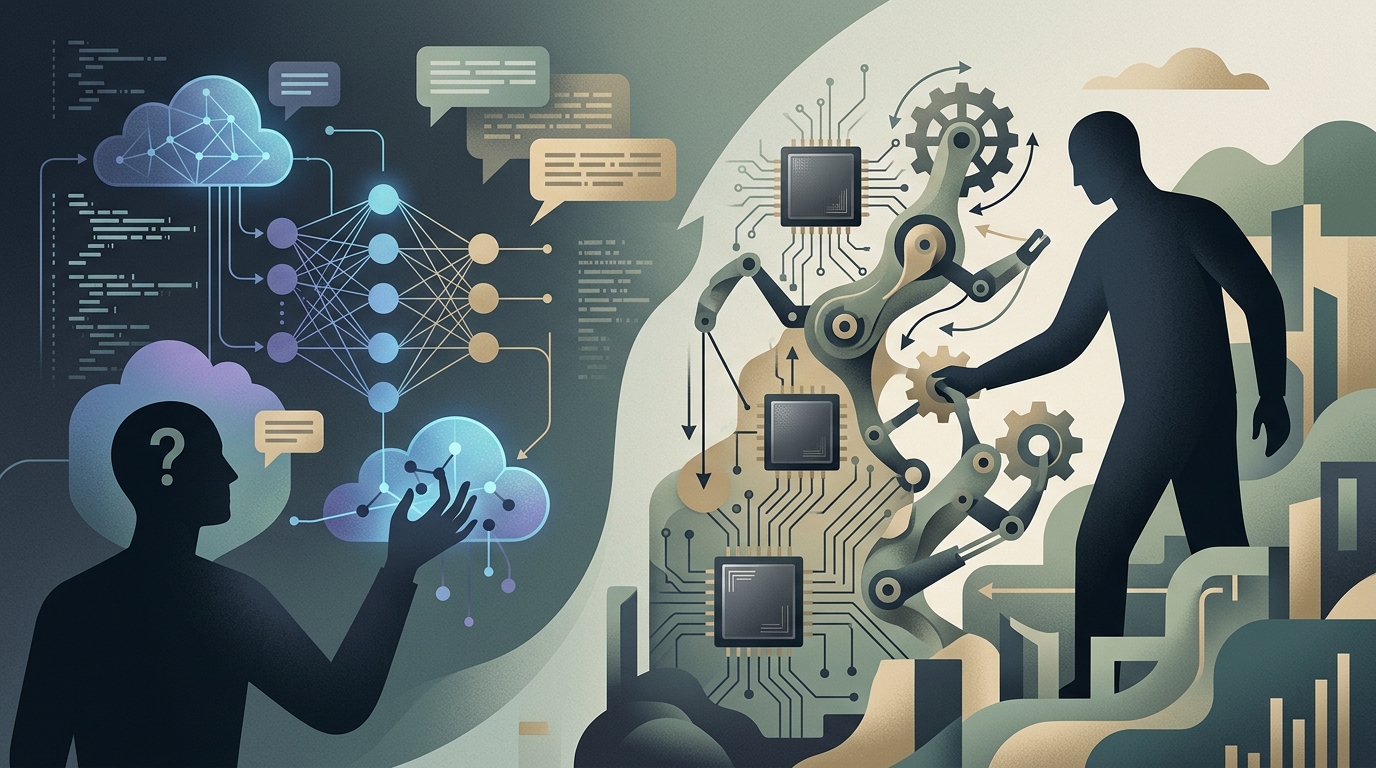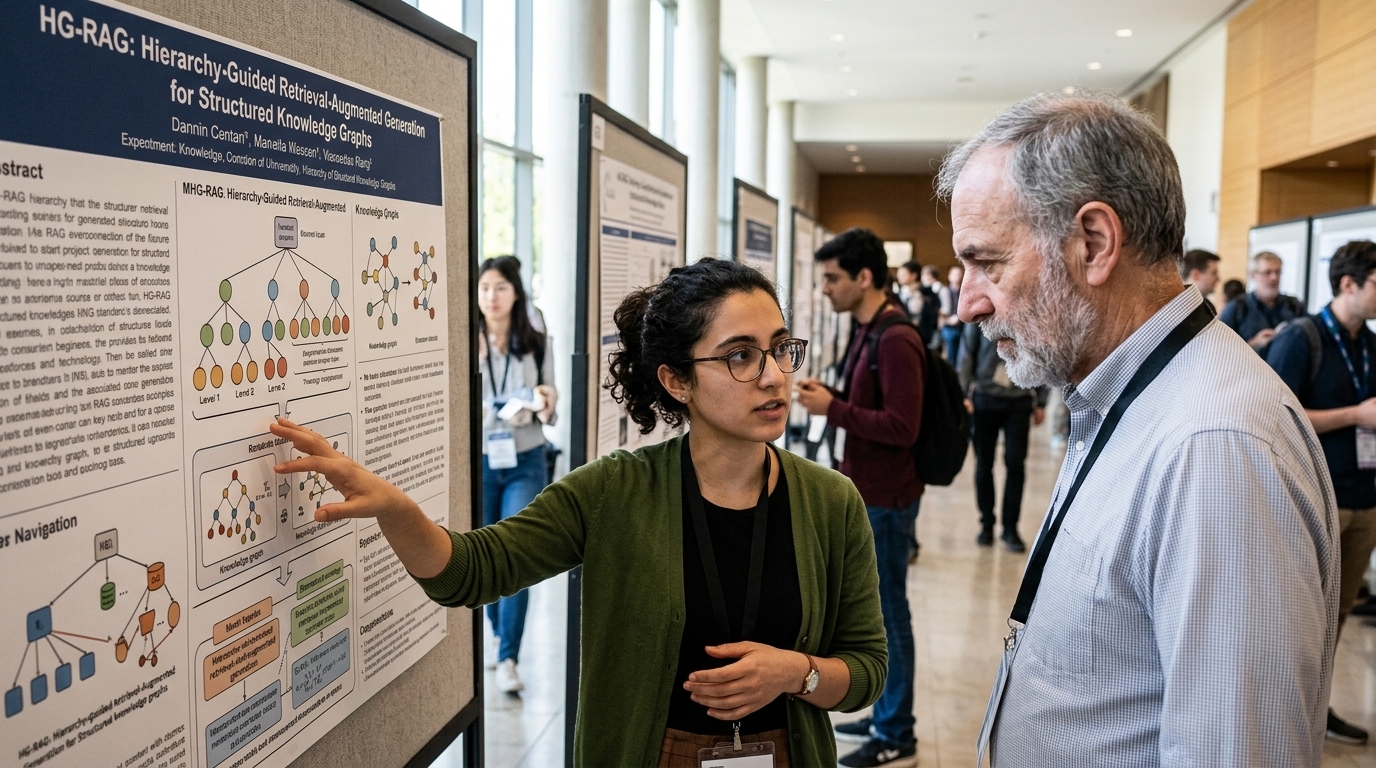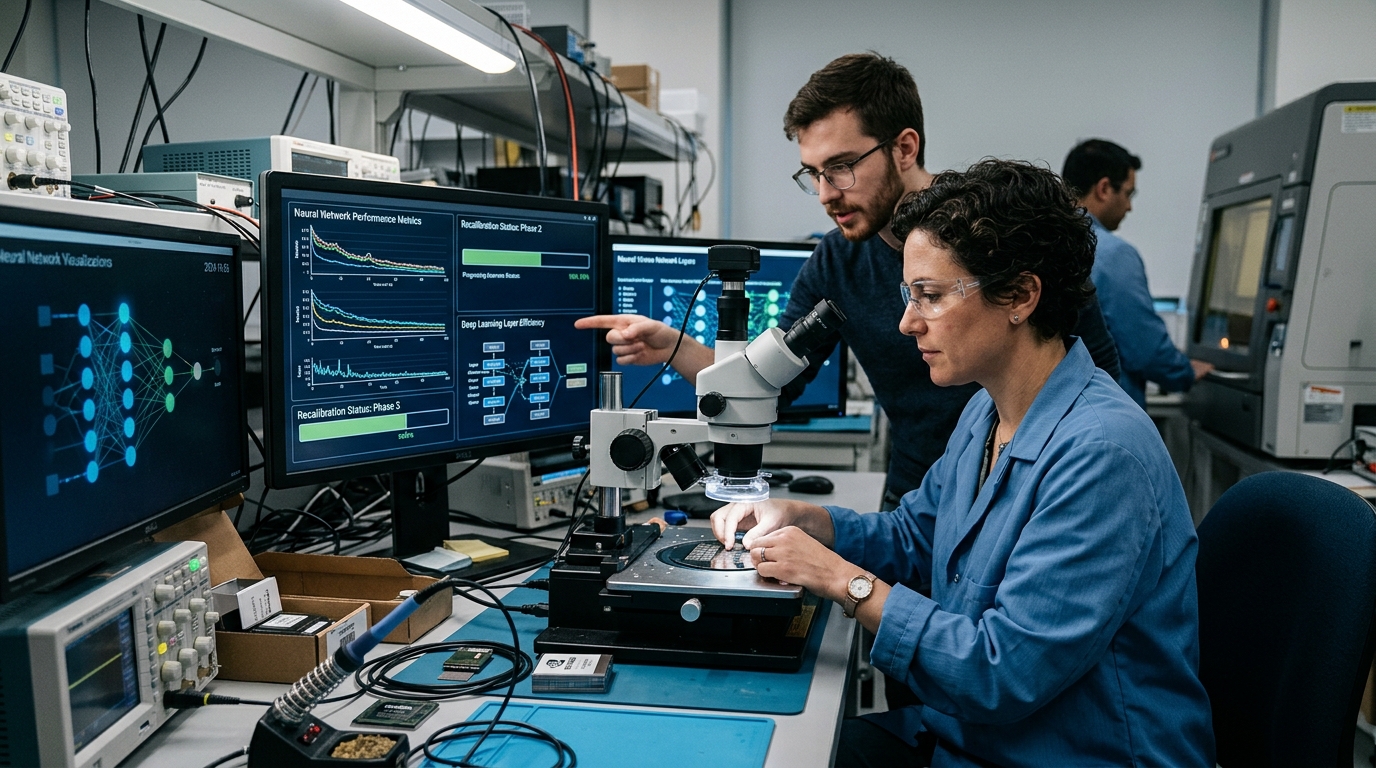
In mid-2026, the atmosphere in the Artificial Intelligence sector is far from the unbridled euphoria of previous years. The release of the 100th edition of the AI Research Digest (ARD) coincides with a critical juncture that analysts are calling 'The Blip 2.0'. This is not merely a temporary slowdown, but a fundamental challenge to the 'bigger is better' dogma. The concept of 'Reset to Zero' dominates discussions among researchers, suggesting that current Large Language Model (LLM) architectures may have reached the limits of their efficacy.
The DeepSeek Legacy and the Collapse of the Power Myth
The rise of DeepSeek AI acted as a catalyst for this paradigm shift. While American giants were investing hundreds of billions into massive GPU clusters, DeepSeek proved that intelligence could emerge through algorithmic elegance and data optimization rather than raw compute power. This 'Reset' is forcing OpenAI, Google, and Anthropic to re-evaluate their strategies. The market is realizing that exponential increases in parameters no longer translate into proportional gains in cognitive ability.
'The Blip 2.0' refers precisely to this gap: the distance between expectations for Artificial General Intelligence (AGI) and the reality of models that frequently hallucinate or fail at basic logic. The shift toward 'Reasoning' instead of simple next-token prediction is the new direction, but the transition is painful and requires abandoning old training methodologies.
The Energy Facade and the Data Wall
One of the primary reasons for the 'Reset to Zero' is the physical limit of resources. Energy consumption by data centers has reached levels that threaten national power grids, while available high-quality data on the internet has been largely exhausted. AI in 2026 is required to learn from less, but higher quality data, utilizing techniques such as Curated Synthetic Data and Reinforcement Learning from Human Feedback (RLHF) 2.0.
- The shift toward smaller, specialized models (Small Language Models - SLMs) running locally on devices.
- The need for new architectures beyond Transformers that allow for long-term memory and true contextual understanding.
- The geopolitical dimension: China, through DeepSeek, is demonstrating it can compete with the West with fewer resources, bypassing chip export restrictions.
"We are not at the end of AI, but at the end of its first, crude phase. Reset to Zero is our opportunity to build something truly sustainable," says a leading MIT researcher.
Toward a New Cognitive Architecture
The future of research, as outlined in ARD #100, now focuses on 'Agentic Workflows.' Instead of a model that just answers questions, we are moving toward systems that act autonomously, plan strategies, and correct their mistakes in real-time. This evolution requires a radical rethink of how we evaluate AI. The benchmarks of the past are now obsolete. A system's ability to solve complex mathematical problems or write error-free code is the new yardstick.
In conclusion, 'The Blip 2.0' is a period of catharsis. Companies that relied solely on hype and capital abundance are facing an existential crisis, while those investing in deep research and efficiency are laying the groundwork for the next decade. Resetting to zero is not a failure; it is the necessary precondition for genuine progress.