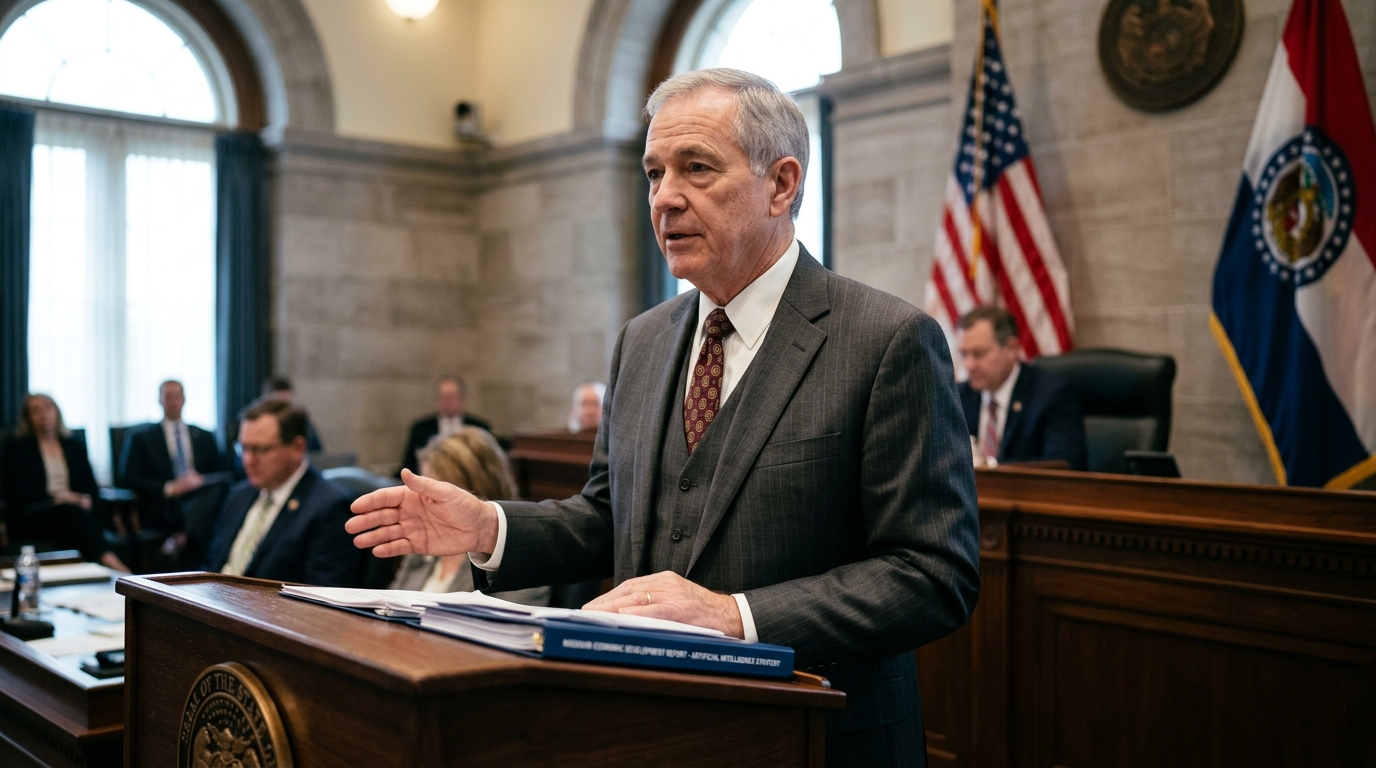
In an era where digital sovereignty translates directly into economic power, the state of Missouri finds itself at the heart of a high-stakes debate. Governor Mike Parson, during a recent public forum, came out swinging in favor of Artificial Intelligence (AI) infrastructure, labeling it the "engine" of the state's future prosperity. However, his dismissal of the environmental and infrastructural anxieties surrounding massive data centers has sparked a firestorm of local debate.
The Promise of the 'Silicon Prairie'
Parson’s rhetoric is calculated and strategic. Missouri is aggressively positioning itself to become a Midwestern tech hub—a "Silicon Prairie" capable of attracting behemoths like Google, Meta, and Amazon. The governor emphasized that AI is not merely a passing tech trend but a fundamental shift in the global economic landscape. Attracting data center investments promises thousands of construction jobs, high-paying IT roles, and, most importantly, a massive influx of tax revenue that could bolster education and state infrastructure.
According to Parson, refusing to embrace this development is akin to economic suicide. "If we don't do it, someone else will," was his central message, highlighting the cutthroat competition between states to offer the most attractive incentives and the fastest permitting processes. He views the data center boom as a once-in-a-generation opportunity to modernize Missouri's industrial base.
The Resource Strain: Water and Power
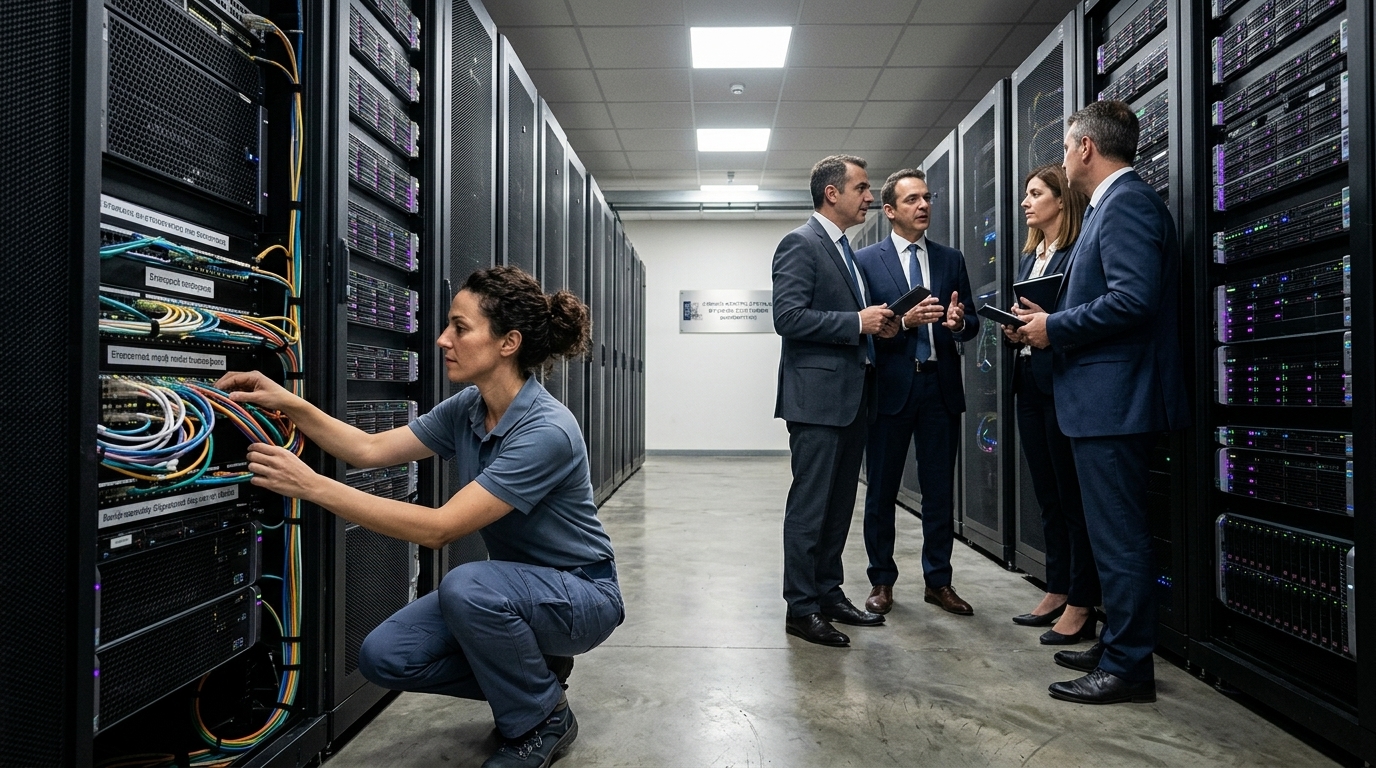
Despite the official optimism, residents and environmental advocates are raising red flags. Data centers are notorious resource gluttons. Cooling thousands of high-performance servers requires millions of gallons of water daily—a demand that, during periods of drought, could jeopardize local agriculture and municipal water supplies. This is particularly sensitive in the Midwest, where water rights and usage are increasingly scrutinized.
Furthermore, the strain on the electrical grid is unprecedented. AI processing requires computational power far exceeding traditional internet usage. Critics point out that while corporations receive lucrative tax breaks, ordinary citizens might see their utility bills climb as energy providers are forced to build new capacity to meet the surge in demand. Parson, however, dismissed these concerns as "overblown," suggesting that technological innovation itself will eventually solve resource efficiency challenges.
Policy Strategy vs. Local Sentiment
The governor’s stance reflects a broader political trend in the United States, where leadership often prioritizes deregulation and business expansion over environmental constraints. In Missouri, this manifests as an aggressive push to court Big Tech, even at the risk of clashing with local communities who fear a decline in their quality of life due to noise pollution from cooling fans or the sheer scale of these industrial complexes.
- Surging demand for renewable energy to power 24/7 operations.
- Potential noise pollution affecting residential zones near industrial parks.
- Questions over the long-term permanence of jobs once construction is complete.
"We cannot be afraid of the future because it requires resources. We must manage those resources to win the future," Parson stated, framing the issue as a matter of state competitiveness.
Analysis: The Price of Progress
Missouri serves as a microcosm for the global challenge posed by the AI revolution. The balance between economic growth and environmental sustainability is precarious. While Parson is betting on immediate financial gains and the prestige of tech-heavy industry, the long-term costs to the state's natural resources and infrastructure remain a subject of intense speculation. As more states enter the race for compute power, the Missouri case highlights the growing friction between top-down economic policy and bottom-up community concerns.