In an era where digital supremacy is synonymous with national power, the White House finds itself grappling with one of the most thorny issues of the 21st century: where does public safety end and state censorship of Artificial Intelligence (AI) begin? Recent reports suggesting that the US administration is considering strict limitations on 'open' AI models have sent shockwaves through Silicon Valley and sparked fierce backlash from advocates of information freedom.
The Chronicle of a Pre-announced Regulation
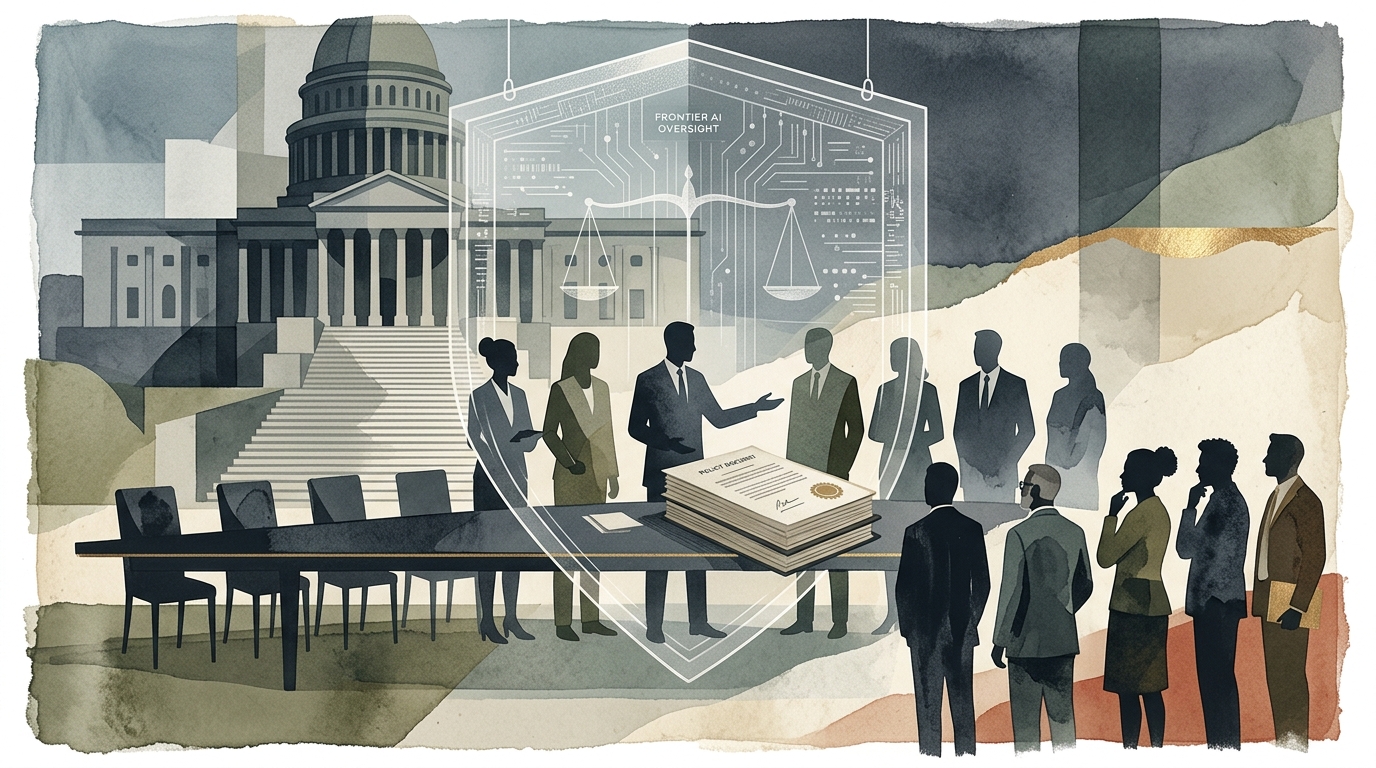
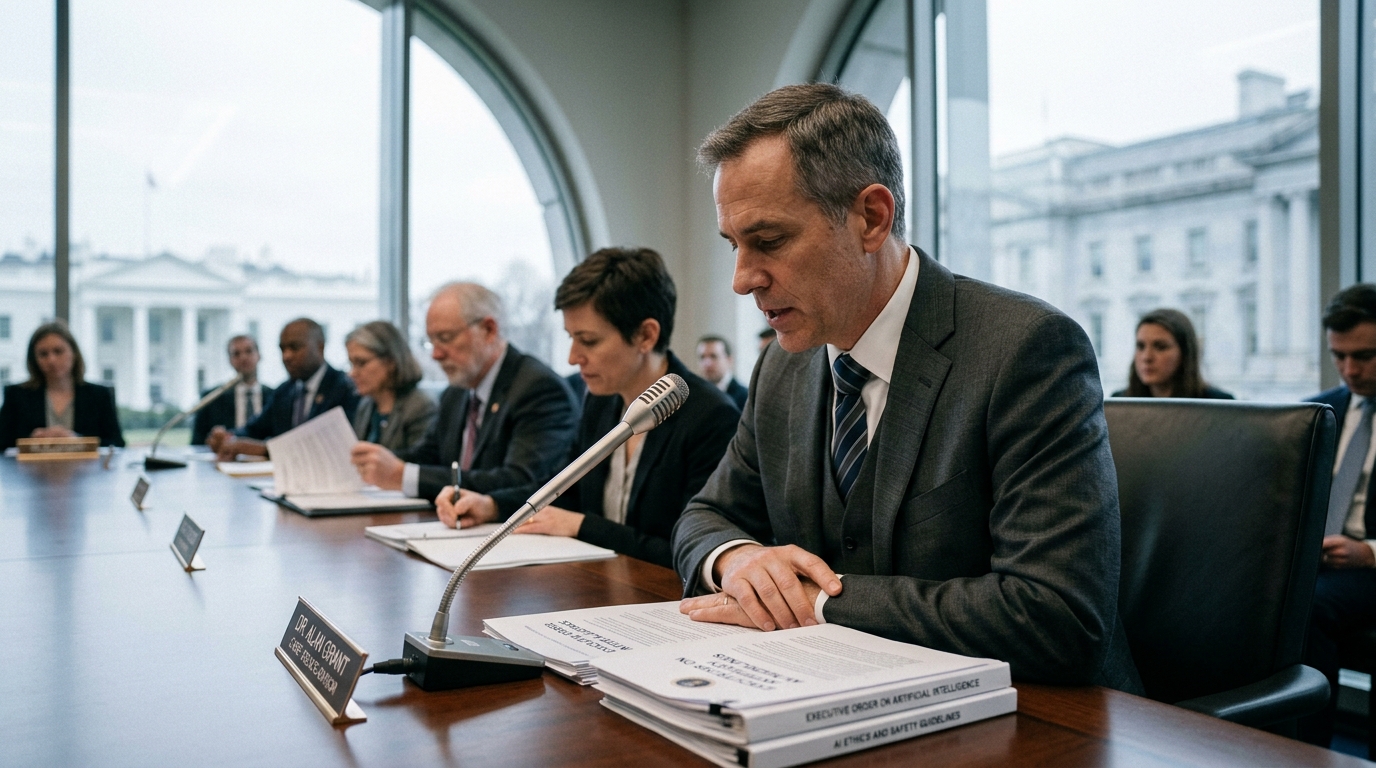
The debate is not new, but its intensity has peaked in 2026. Since the Executive Order of October 2023, the US government has made it clear that AI is a 'dual-use technology.' Much like nuclear energy, it can be harnessed for the betterment of humanity or for the construction of biological weapons and the launching of unprecedented cyberattacks. The fear that models with freely accessible 'weights' could be weaponized by malicious actors or rival powers, such as China, is driving the White House to consider mechanisms for filtering or even banning the release of certain powerful models.
The word 'censorship' is frequently invoked by critics of these intentions. They argue that imposing restrictions on what an AI model can 'say' or 'think' is equivalent to restricting human expression, as these systems are now extensions of human intellect. Conversely, proponents of regulation emphasize that this is not about censoring ideas, but about installing 'digital levees' against existential threats.
Open Source on the Chopping Block?
The biggest point of contention remains the future of Open Source AI. Companies like Meta and research institutions worldwide argue that open source is the only way to ensure the democratization of technology and transparency. If the White House moves forward with restrictions requiring licenses for publishing models, the US edge in innovation could vanish. Furthermore, there is a risk that regulation might only favor 'tech giants' who have the resources to comply with costly auditing processes, effectively shutting out startups.
- National Security: Preventing the use of AI for creating chemical or biological threats.
- Geopolitical Competition: Maintaining the technological gap between the US and adversaries like China and Russia.
- Political Polarization: Concerns over model bias and its influence on electoral processes.
- Ethics of Technology: The responsibility of creators for the outputs of their systems.
"Freedom of speech in the 21st century is not just about humans, but about the algorithms that shape our reality. If we allow the state to control the logic of AI, we are handing over the keys to our own thought processes,"notes a leading AI ethics researcher.
International Dimensions and Consequences
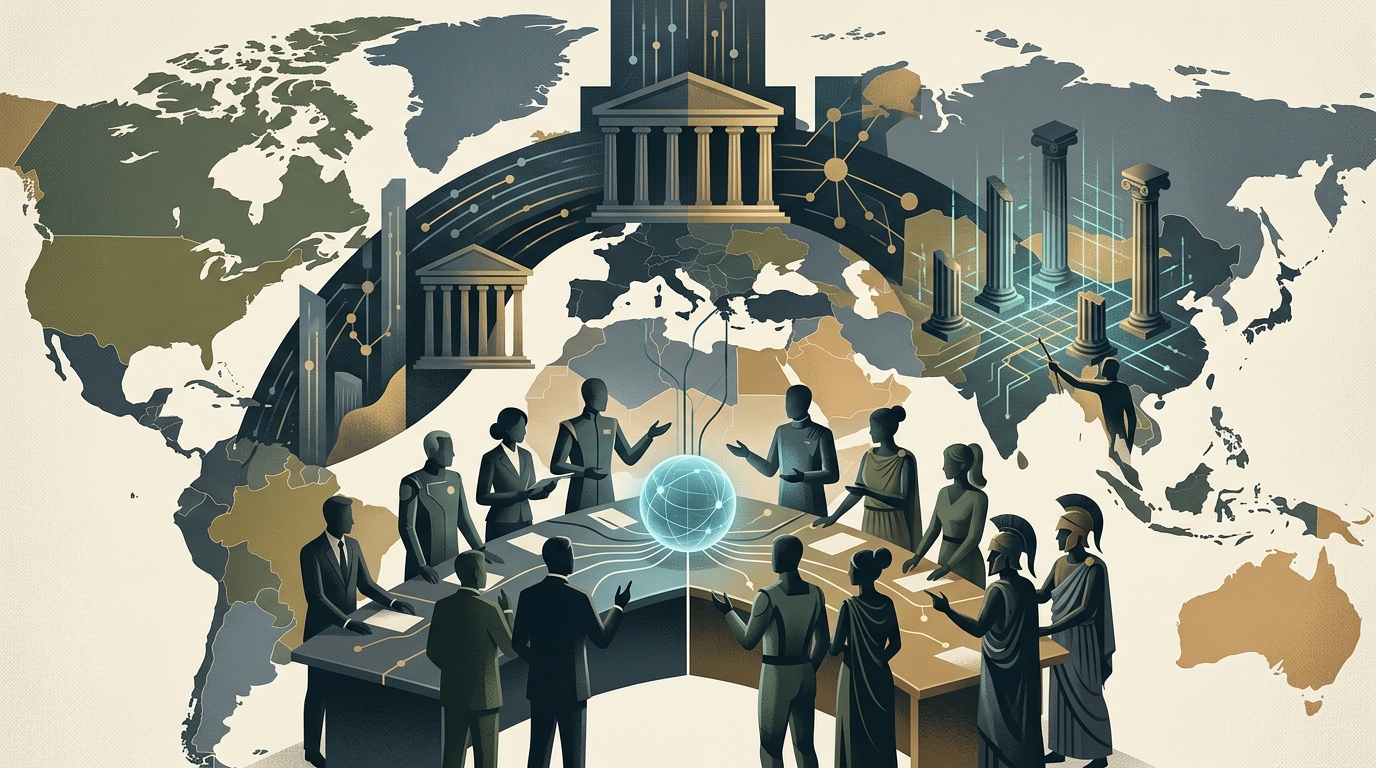
The US decision will not only affect the domestic market. Since most major AI companies are based in California, any federal directive will become a de facto global standard. The European Union, with its AI Act, has already set some rules, but the White House approach seems to focus more on national security than on consumer rights. This divergence could lead to a fragmented digital world, where AI operates under different 'moral codes' depending on the geographic region.
In conclusion, the question remains: can security be achieved without sacrificing freedom? The White House is called to walk a tightrope. Strict censorship might prevent a catastrophe, but it could simultaneously stifle the creativity that brought humanity to this technological milestone. History will judge whether 2026 was the year AI was brought under control or the year innovation began to wither under the weight of bureaucracy.