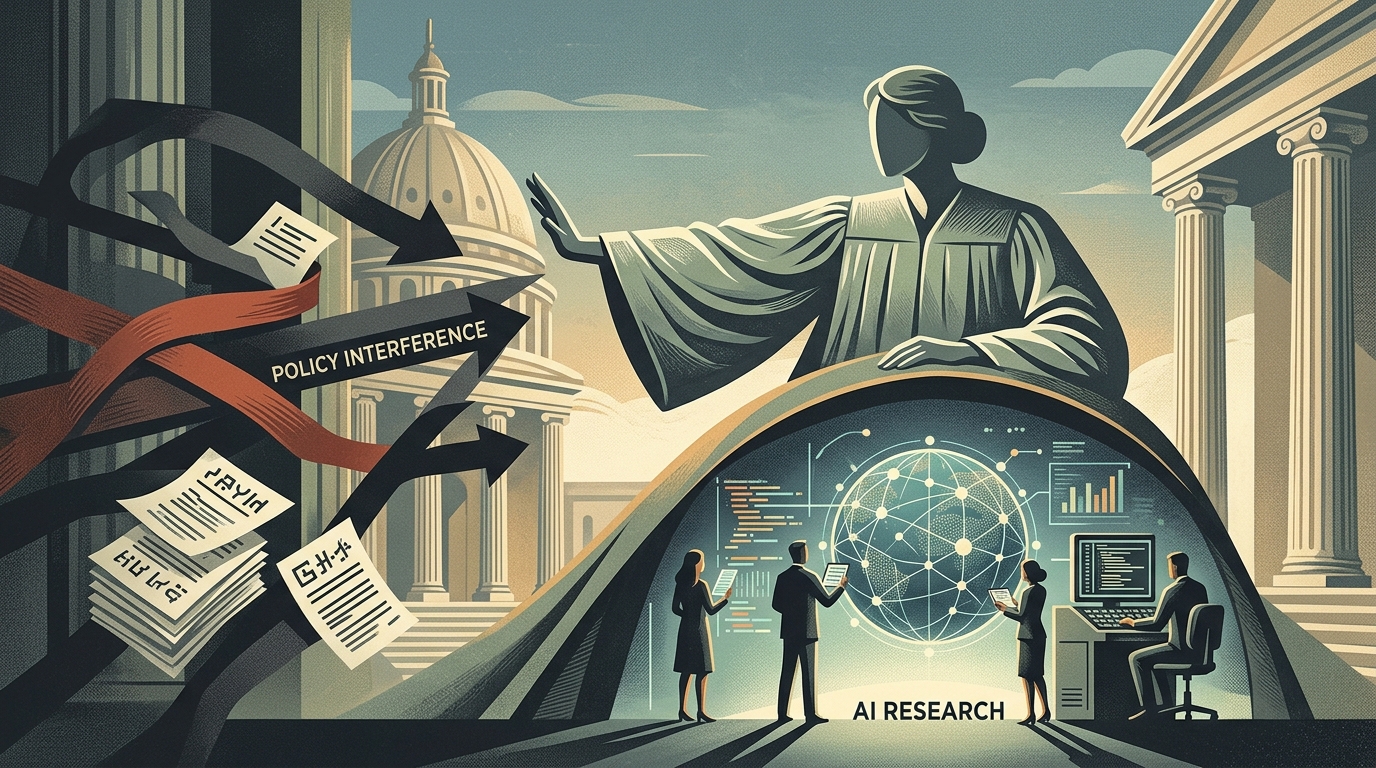
The global AI chessboard is no longer defined solely by technological breakthroughs in Silicon Valley or Shanghai, but increasingly by the regulatory frameworks emerging in developing economies. Vietnam, a nation aspiring to become a regional technology hub in Southeast Asia, recently made a landmark move: publishing a list of 46 categories of Artificial Intelligence (AI) systems classified as "high-risk." This move, announced by the Ministry of Information and Communications (MIC), signals the beginning of a new era of oversight and transparency in the country's digital economy.
The Architecture of Regulation: Why 46 Systems?
Hanoi's decision to identify specific systems as high-risk is not coincidental. Drawing inspiration from the European Union's Artificial Intelligence Act (EU AI Act), Vietnam is adopting a risk-based approach. The list includes applications that directly affect fundamental rights, citizen safety, and social stability. Among these are biometric identification systems, credit scoring algorithms, automated recruitment tools, and systems managing critical infrastructure, such as energy and water supply.
The publication of this list aims to provide a clear roadmap for businesses. Instead of vague and general legislation, the Ministry offers specific sectors where compliance will be stricter. This includes the need for technical documentation, log maintenance, and human oversight. For a country trying to attract foreign investment from giants like Samsung and Intel, creating a predictable regulatory environment is vital.
Sectoral Analysis: From Healthcare to National Security
The list of 46 systems spans eight main sectors. At the top of the pyramid is healthcare, where AI-based diagnostic systems will now be subject to rigorous accuracy checks to avoid misdiagnosis. This is followed by the financial sector, with a particular emphasis on systems that decide on loan approvals, to ensure there is no algorithmic discrimination against specific social groups.
Interestingly, the list includes systems used in public administration and the administration of justice. Vietnam appears to recognize that using AI for crime prediction or judicial decision assessment poses risks to transparency. Furthermore, systems influencing public opinion through content recommendation algorithms on social networks are also under scrutiny, highlighting the government's concern over the spread of misinformation.
Challenges and Market Reaction
Despite good intentions, implementing these rules will not be without friction. Local startups express concerns about compliance costs. The requirement for detailed audits and the certification of high-risk systems could hinder innovation if the processes are bureaucratic and time-consuming. On the other hand, large multinationals operating in Vietnam are already familiar with similar frameworks from Europe and the US and believe that Vietnam's alignment with international standards will facilitate their operations.
The big question remains the ability of regulatory authorities to monitor the rapid evolution of technology. AI is not a static product but a continuously evolving process. The list of 46 systems must be dynamic, with the possibility of revision as new applications emerge, such as Generative AI and Large Language Models (LLMs).
Conclusions: Vietnam as a Regulatory Pioneer?
Vietnam's move to publicize this list is a statement of intent. The country does not wish to be just a consumer of technology or a hardware manufacturing plant, but an active player in shaping the rules of the digital age. The success of this venture will depend on the balance between protecting citizens and maintaining a business-friendly environment. In a region where AI regulation is still in its infancy, Hanoi is leading the way, proving that ethics and safety in technology are not the exclusive privilege of wealthy Western nations.