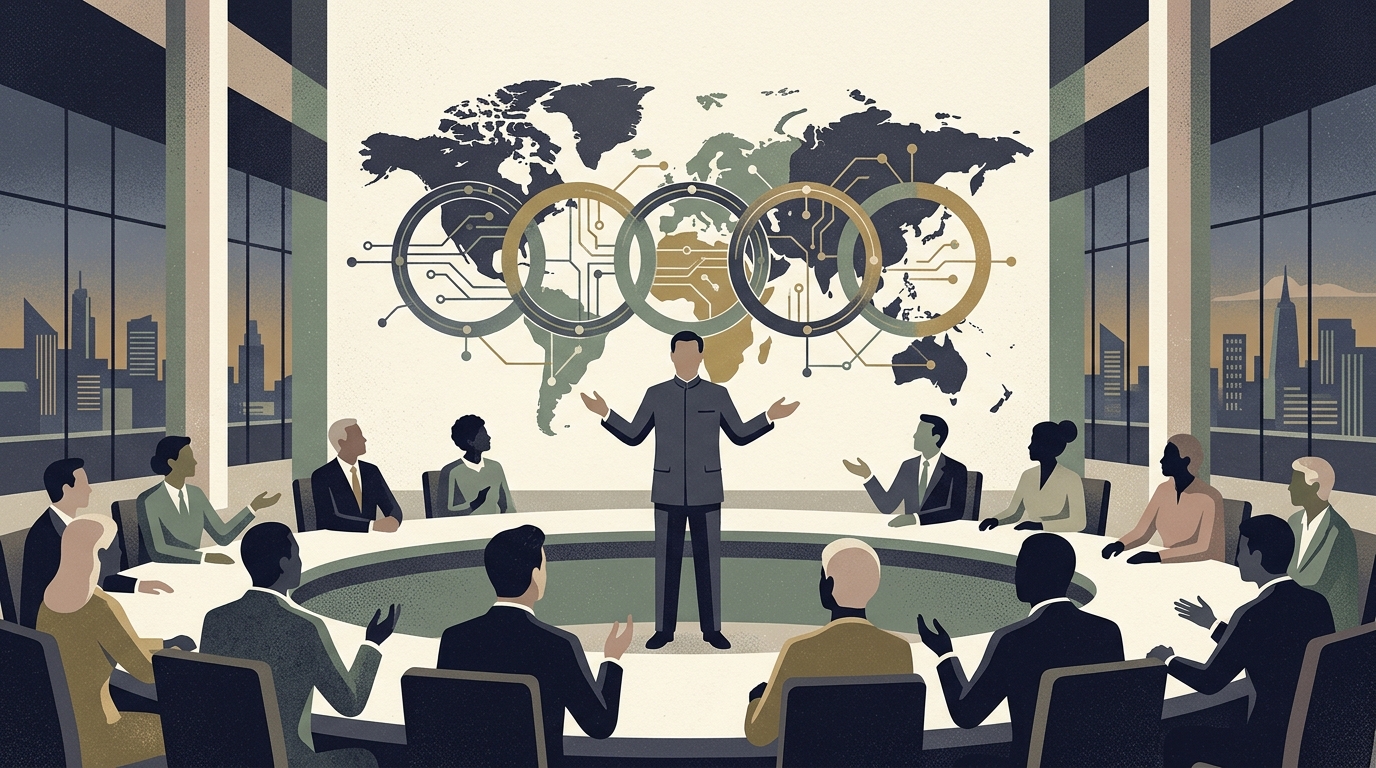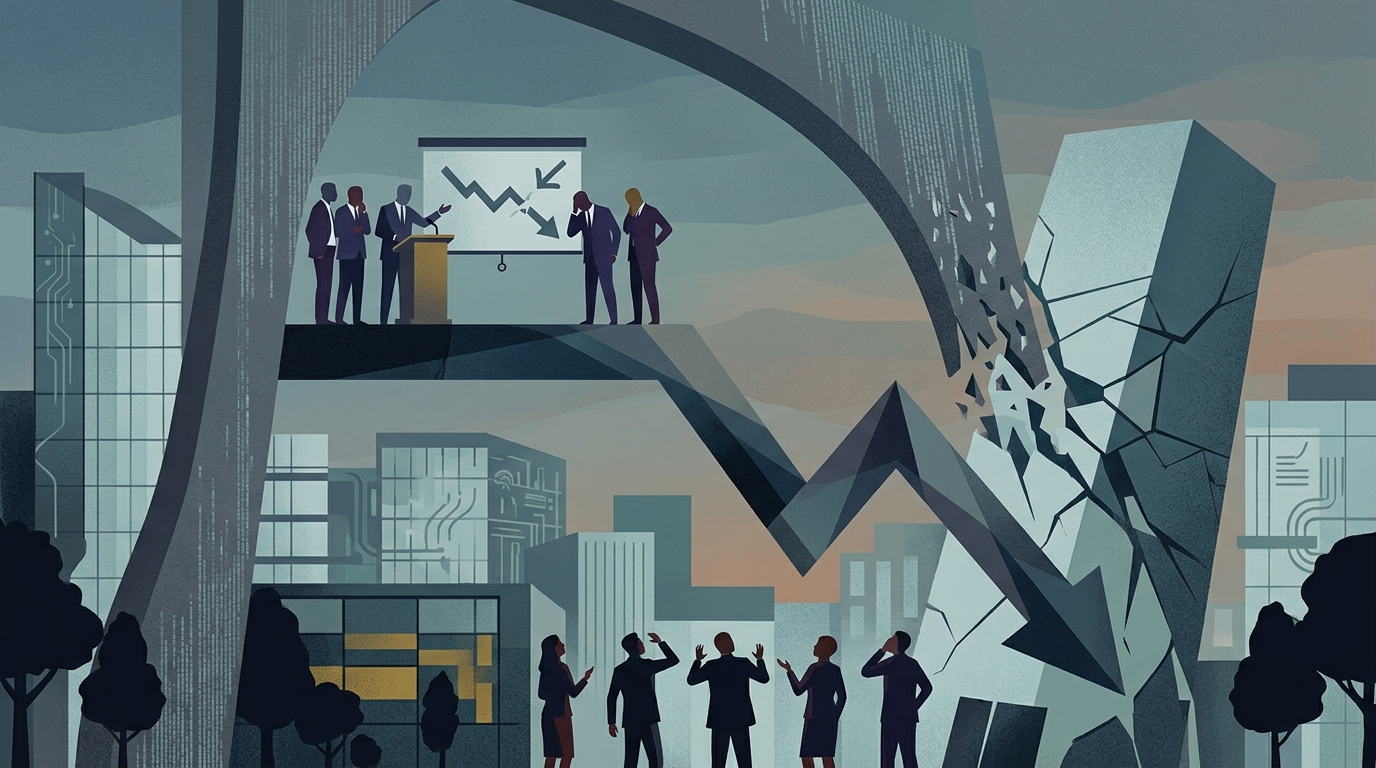
July 15, 2026, is set to be a watershed moment for the trajectory of artificial intelligence in the East. In a sudden but symbolically potent move, ByteDance and Alibaba, the two titans of the Chinese tech scene, have announced they are withdrawing "AI agent" functionalities from their respective platforms, Doubao and Qwen. This decision is not merely a technical adjustment but a profound political and strategic retreat that highlights the challenges of autonomous technology within a strictly regulated environment.
The Regulatory Vise and Survival Strategy
AI agents—autonomous digital tools capable of making decisions and executing complex tasks without constant human supervision—were long considered the "holy grail" of productivity. However, in China, this autonomy hits a wall: the necessity for absolute control over content and algorithmic behavior. The Cyberspace Administration of China (CAC) has intensified its pressure, demanding that companies guarantee AI does not operate in ways that "undermine social stability" or produce unpredictable outcomes.
ByteDance, the parent company of TikTok, saw Doubao become the most popular AI application in China. The ability for users to create their own agents for specialized tasks was the key to its success. Withdrawing this feature suggests that the cost of compliance—both financial and legal—has become unbearable. Alibaba, for its part, targeted the enterprise market with its Qwen model. The cessation of agent features there directly impacts businesses that had begun building their workflows on these automations.
Economic Impact and the Pivot to Enterprise
Beyond the regulatory framework, there is a dimension of profitability. Operating autonomous agents requires massive computational power. Every decision an AI agent makes entails multiple "calls" to the large language model (LLM), exponentially increasing costs for providers. In a period where investors are demanding clear paths to profitability, ByteDance and Alibaba may be choosing to curtail free or low-cost experimental features in favor of more controlled, subscription-based models.
- Reduction of operational costs related to GPU computational power.
- Focus on "closed" systems that are easier for authorities to monitor.
- Preparation for a new generation of agents integrated at the OS level rather than the app level.
"Uncontrolled AI is, for China, a digital anarchy that cannot be tolerated," analysts in Beijing comment.
The Global Dimension: West vs. East
While OpenAI and Google in the West are accelerating the development of agents that can book flights or write code autonomously, China appears to be hitting the brakes. This creates a paradox: China possesses some of the best models in the world (such as Qwen 2.5), but their utility is hampered by the fear of unpredictable behavior. If Chinese developers lack access to agentic AI tools, the country risks falling behind in the next phase of the AI industrial revolution.
However, there is a counter-argument. Some suggest this "pause" is a strategic realignment. ByteDance may be preparing a "Super Agent" that is fully aligned with state directives, avoiding the fragmentation of thousands of small, uncontrollable agents created by users. July 15 is not the end of AI in China, but the end of the "Wild West" of autonomous agents.
Conclusions for the Future
This move sends a clear message to investors: AI development in China will follow a path distinct from Silicon Valley. It will be more centralized, more controlled, and perhaps slower, but with the full support (and surveillance) of the state. For users of Doubao and Qwen, the immediate future means a return to more traditional chatbot forms, at least until the new rules of the game are established.