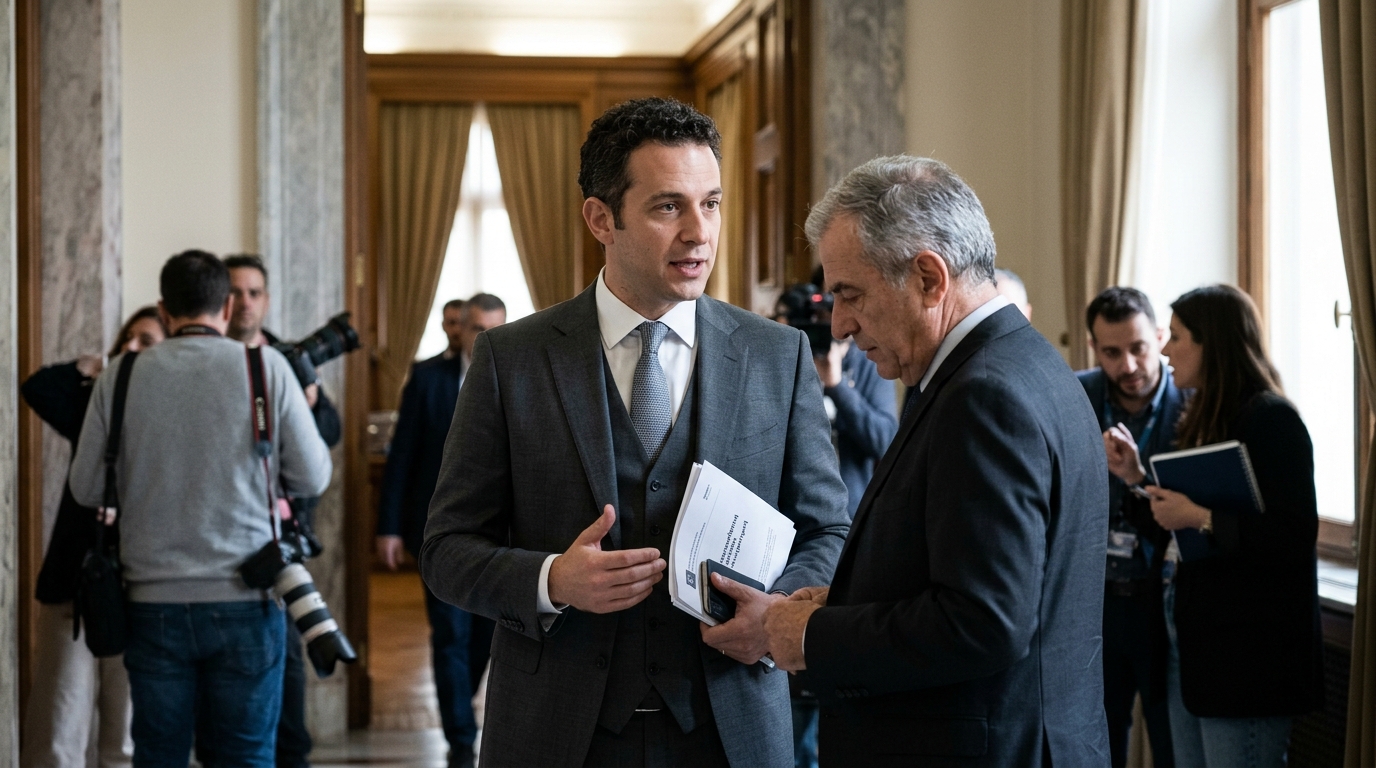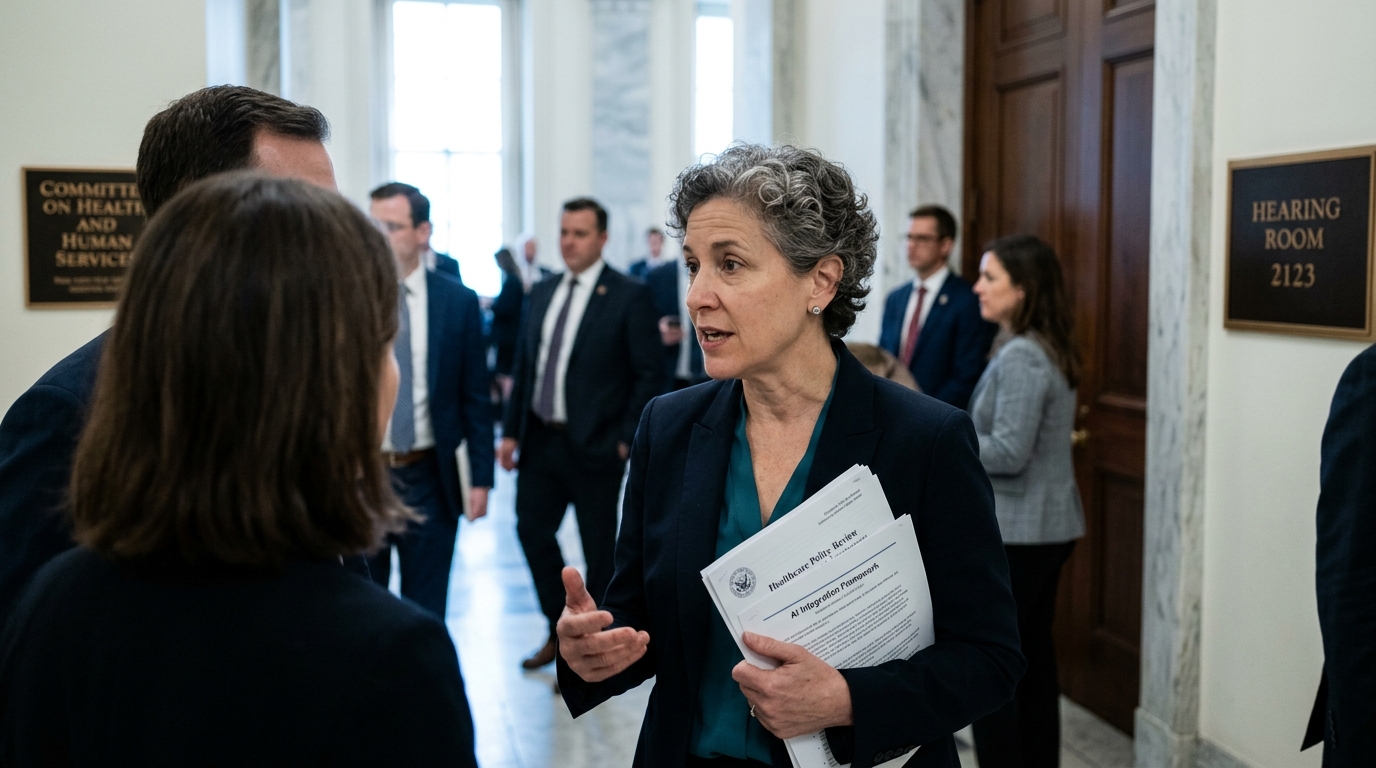
The intersection of technological dominance and political will in Washington is driving one of the most radical shifts in the history of American medicine. According to recent reports, including extensive coverage by The Washington Post, the Trump administration is actively promoting an "AI-first" healthcare agenda. This effort is not merely about digitizing records; it is about the direct introduction of artificial intelligence algorithms into the diagnostic process, often in ways that bypass traditional FDA (Food and Drug Administration) approval pathways.
The vision being championed is one of "democratized" medicine, where AI tools can provide medical advice and diagnoses with minimal human intervention, drastically reducing costs and increasing accessibility. However, behind this promise lies an intense political and ethical conflict regarding patient safety and the dominance of Big Tech over sensitive health data.
Deregulation as a Catalyst for Growth
A central pillar of the Trump strategy is deregulation. The President's advisors argue that the FDA functions as a "bottleneck" to innovation, requiring multi-year clinical trials for software that evolves in a matter of days. The new approach proposes a "post-market surveillance" model, where AI tools are released quickly to the public and evaluated based on their real-world performance.
This philosophy aligns with the broader "Make America Healthy Again" (MAHA) movement, which, while often associated with vaccine skepticism, also includes a deep distrust of established medical institutions. Proponents of AI in medicine view algorithms as an objective alternative to a system they perceive as corrupted by the interests of pharmaceutical companies and entrenched bureaucracy.
The Silicon Valley-Washington Alliance
It is no secret that the close relationship between Elon Musk, other Silicon Valley leaders, and the Trump administration plays a decisive role. The creation of the Department of Government Efficiency (DOGE) is expected to target Medicare and Medicaid spending, proposing AI as the solution to save billions. "AI Doctors" do not get tired, do not go on strike, and can serve thousands of patients simultaneously, making them the ideal tool for an administration seeking drastic budget cuts.
- Use of Large Language Models (LLMs) for patient triage and initial consultation.
- Automated analysis of X-rays and biopsies without the immediate need for a radiologist.
- Personalized treatment plans based on genomic data and AI-driven predictive modeling.
Risks and Ethical Dilemmas
Despite the enthusiasm, the medical community warns of the dangers of AI "hallucinations." If an algorithm misdiagnoses cancer, who bears the responsibility? Current legislation is ambiguous, and the administration's push to limit the liability of tech companies is drawing fire from patient advocacy groups and legal experts. Furthermore, there is a growing fear that AI will create a two-tiered system: the wealthy will have access to human physicians, while the rest of the population is relegated to "digital therapists."
"Artificial intelligence cannot replace clinical judgment and the human touch, but it can become a dangerous tool in the hands of those who prioritize profit over human life," state representatives from medical associations.
Conclusion: A New Era
The push for AI doctors in the Trump era is more than a technological upgrade; it is a political statement about the future of the welfare state. If successful, the U.S. could become the global laboratory for 21st-century medicine. If it fails, the cost will be measured in human lives and the further erosion of trust in science. What is certain is that the path toward automated healthcare has been cleared, and a return to the old model seems increasingly impossible.