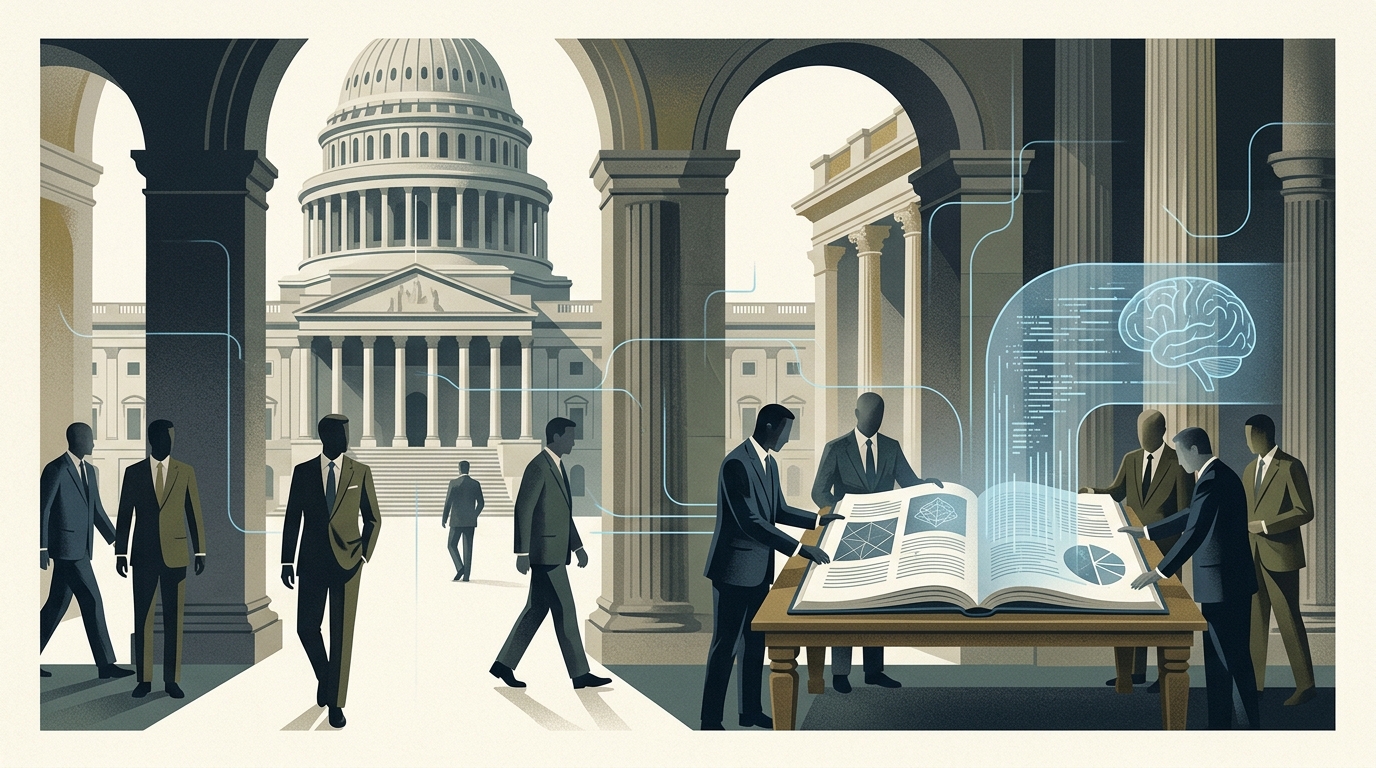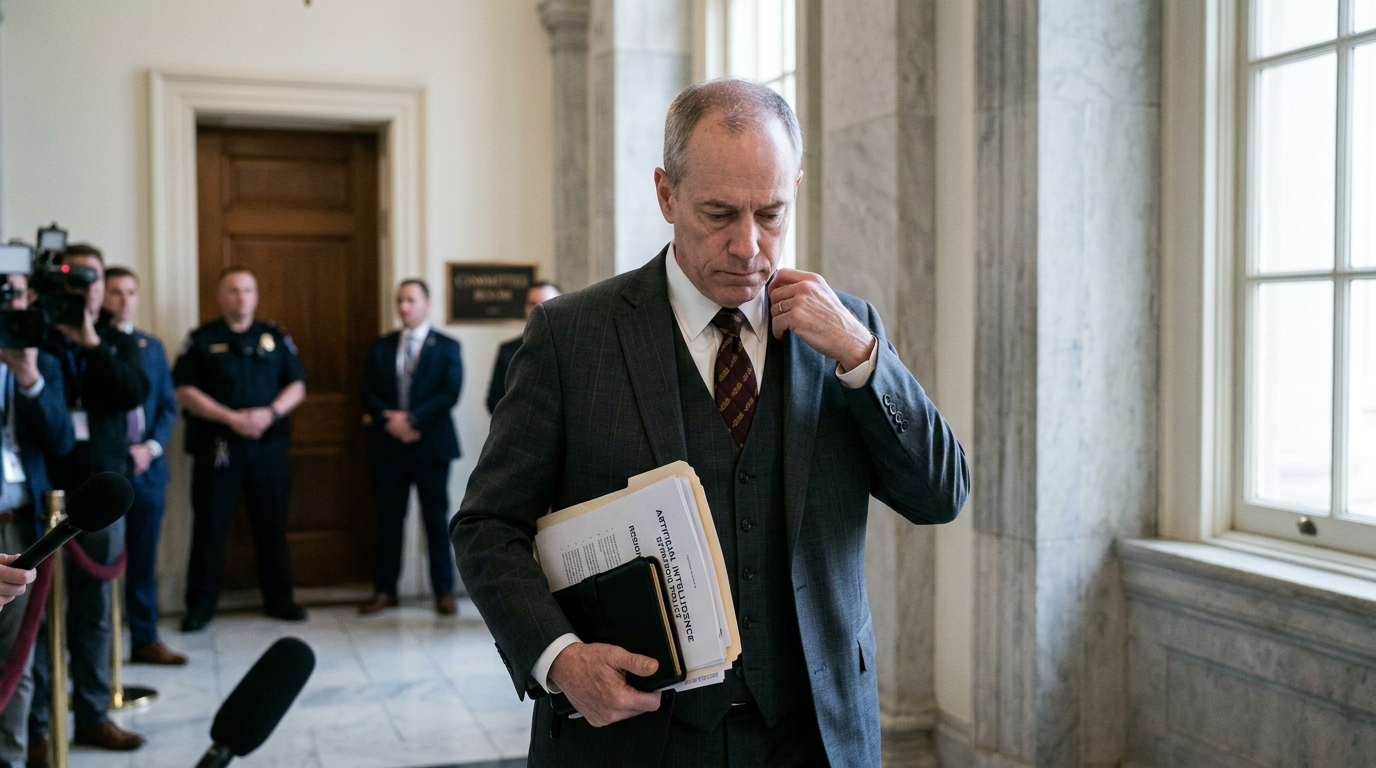
In a period where the global race for Artificial Intelligence (AI) dominance increasingly mirrors the Cold War of the 20th century, the White House is facing a significant leadership vacuum. News that President Trump’s top AI advisor is stepping down, as first reported by The Washington Post, has sent shockwaves through the corridors of Washington and the boardrooms of Silicon Valley.
This departure is more than a mere administrative reshuffle. It symbolizes the climax of intense internal friction over how the United States should navigate the explosive growth of Large Language Models (LLMs), data security, and, most crucially, the relentless competition with Beijing. The outgoing advisor was widely regarded as the architect of the administration's aggressive deregulation policy, aimed at allowing American firms to innovate without the constraints imposed by frameworks like the EU AI Act.
The Deregulation Strategy and the 'America First' Doctrine
Throughout their tenure, the advisor championed a governance model that prioritized innovation over strict oversight. Under their guidance, the Trump administration issued executive orders limiting federal agencies' ability to intervene in algorithmic development, arguing that any regulatory burden would hand a strategic advantage to China. This approach, while lauded by many venture capitalists and tech accelerationists, drew sharp criticism from civil liberties groups and AI safety experts.
- Accelerating AI integration within military applications and national defense.
- Slashing bureaucratic red tape for the construction of massive new data centers.
- Strengthening tariffs on AI hardware and components sourced from 'adversarial' nations.
However, the White House’s hardline stance often clashed with the practical realities of Silicon Valley. While tech giants desired fewer regulations, they remained dependent on global supply chains and international talent—areas where the administration’s restrictive immigration and trade policies created significant friction. Sources suggest the resignation stems from this fundamental inability to bridge the gap between nationalist economic agendas and the needs of a globalized tech industry.
The Geopolitical Chessboard and the China Threat
The vacuum left by this departure comes at a precarious moment. China has recently announced massive new investments in quantum computing and generative AI. Analysts warn that the absence of a central coordinator within the White House could delay critical decisions regarding semiconductor export controls and the implementation of new sanctions. Washington is currently walking a tightrope: protecting intellectual property while ensuring American firms are not locked out of vital international markets.
"Artificial Intelligence is not just a software tool; it is the new battlefield for global hegemony. Whoever controls the algorithms controls the future of the economy," the advisor remarked at a recent summit—a statement that now serves as a stark warning for their successor.
The Road Ahead: Who Will Lead?
The search for a replacement is already underway, with names from the defense industry and Wall Street surfacing as potential candidates. The choice of successor will signal whether President Trump intends to double down on a policy of confrontation or seek a more collaborative relationship with Big Tech. The stakes could not be higher: the regulatory framework established now will dictate the United States' economic trajectory for the next decade. Without steady leadership, there is a risk that fragmented policies will lead to a decline in American tech primacy.
In conclusion, this resignation represents a pivotal turning point. It highlights the inherent difficulties in governing a technology that evolves far faster than legislation or political cycles. The next advisor must be more than a technocrat; they must be a skilled diplomat capable of aligning the disparate interests of the state, the private sector, and national security into a single, cohesive vision for the future.