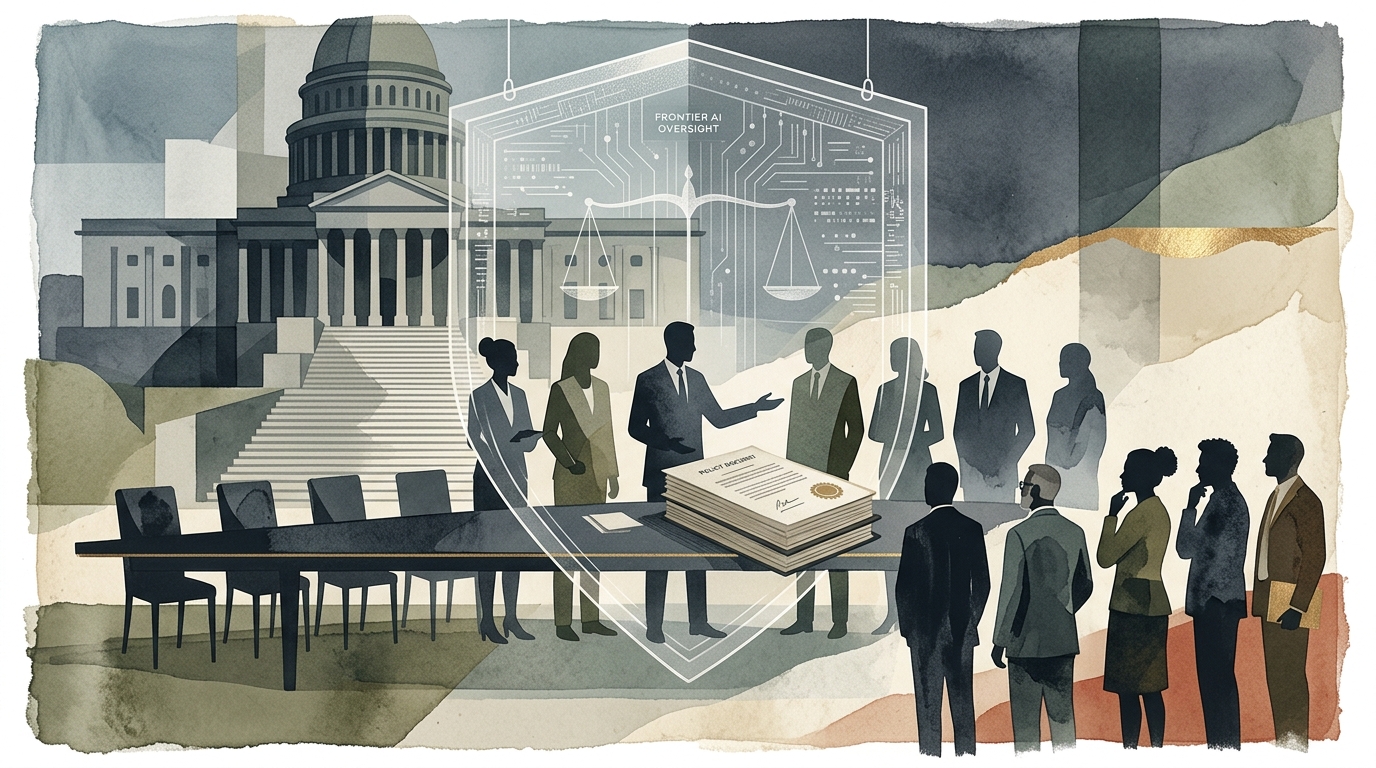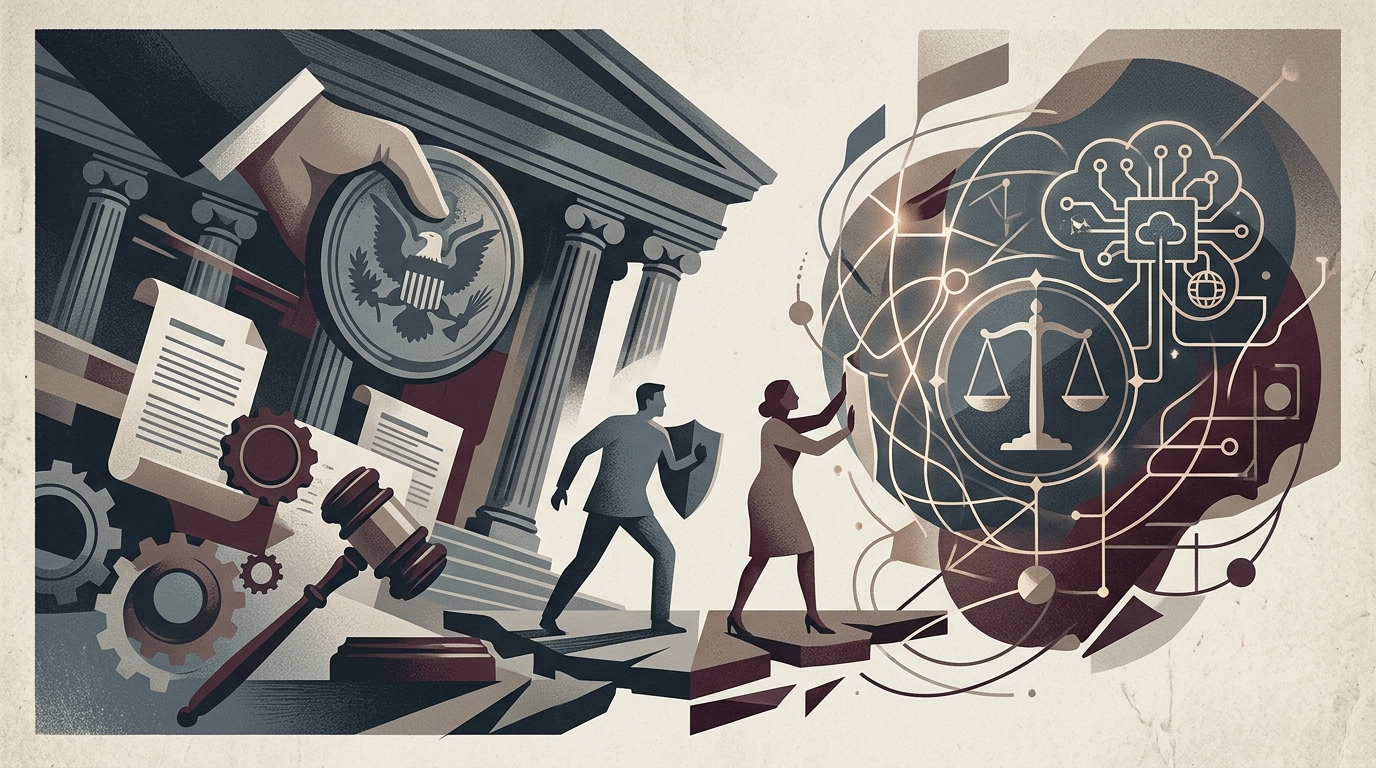
In the heart of Washington D.C., the summer of 2026 finds technology policy at a boiling point. The Trump administration, true to its promise to "uproot ideological policing" from the digital world, has set its sights on one of the most significant players in the Artificial Intelligence sector: Anthropic. The company, founded by former OpenAI executives with a focus on "safe and constitutional" AI, now faces a barrage of investigations and threats of regulatory sanctions that could reshape the industry's future.
'Constitutional AI' Under Fire
The core of the dispute lies in the very architecture of Anthropic's models, known as "Constitutional AI." This method allows the model to self-correct based on a written set of principles, avoiding content deemed harmful, biased, or dangerous. However, for officials in the current administration, these principles are nothing more than a "Trojan horse" for enforcing a specific political agenda.
According to sources close to the Department of Commerce, the government is examining whether Anthropic's safety guardrails constitute "unfair interference with the free flow of information." White House rhetoric claims that Claude 4 and Claude 5 models "systematically refuse to answer questions that challenge the dominant narrative on climate, gender, and national history," labeling this behavior as "algorithmic censorship."
National Security and the Race Against China
The confrontation is not limited to ideology. The Trump administration has linked AI development to national security to a degree never seen before. There is growing pressure on Anthropic to "unleash" its models' capabilities for military use, something the company has sought to avoid, citing its own ethical guidelines. "We cannot allow American companies to self-handicap with moralizing while Beijing develops AI without any constraints," said a senior national security advisor.
Anthropic, for its part, defends its choices. In a statement, the company emphasizes that safety is not a political choice but a technical necessity. "Building models that are reliable and do not produce dangerous hallucinations is the only way to ensure that AI remains a tool for progress rather than a source of chaos," the text reads. However, in the polarized atmosphere of Washington, such arguments often fall on deaf ears.
Implications for the Silicon Valley Ecosystem
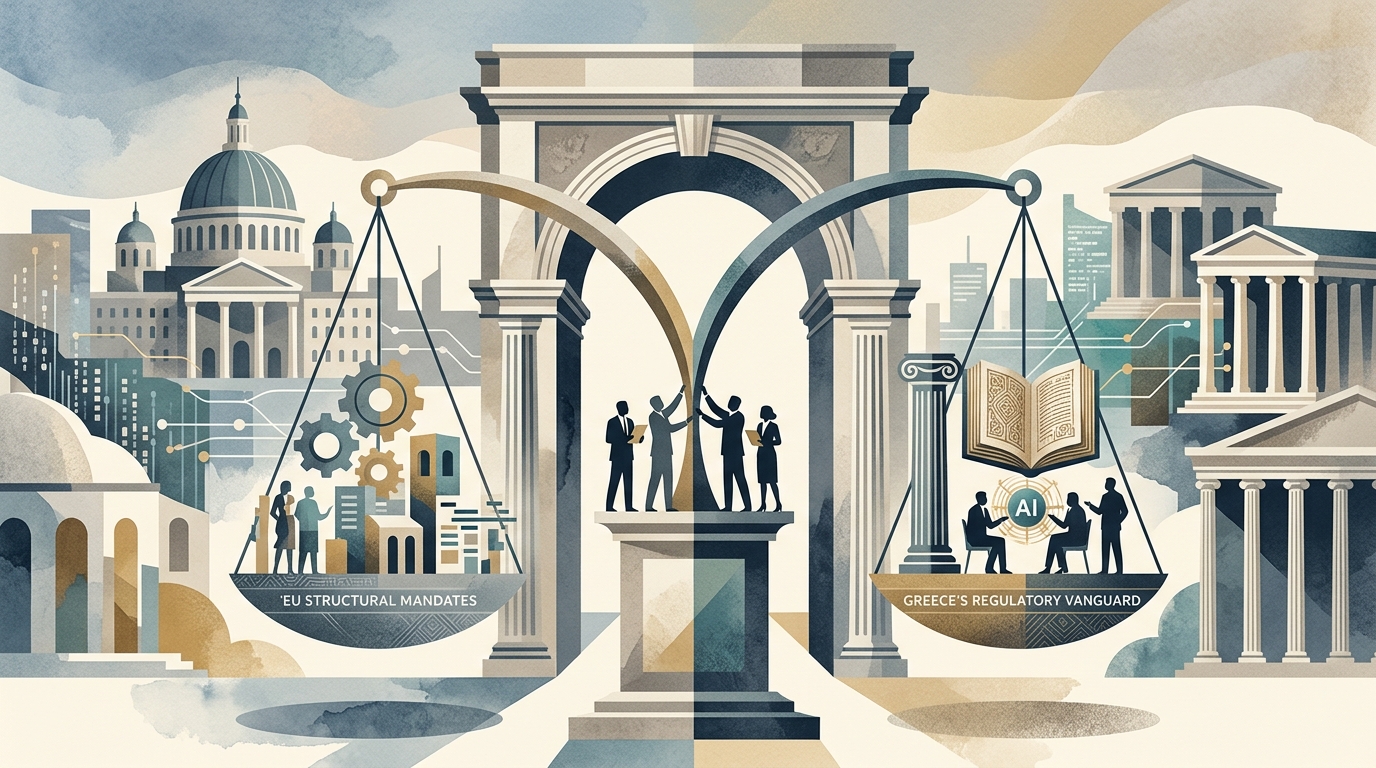
The attack on Anthropic is seen by many as a warning shot for the entire industry. If the government succeeds in forcing changes to how models are trained, it would signal the end of self-regulation for AI. Already, tech giants like Google and Amazon—which have invested billions in Anthropic—are watching developments with nervousness. A potential mandatory "de-regulation" of safety guardrails could expose these companies to massive legal risks in other jurisdictions, such as the European Union, where the AI Act imposes strict safety rules.
The question remains whether Anthropic will choose confrontation or compromise. The company's history shows a deep commitment to its principles, but the pressure from an administration that does not hesitate to use antitrust investigations and executive orders as leverage is unprecedented. The outcome of this battle will determine whether the AI of the future reflects the values of its creators or the dictates of political power.