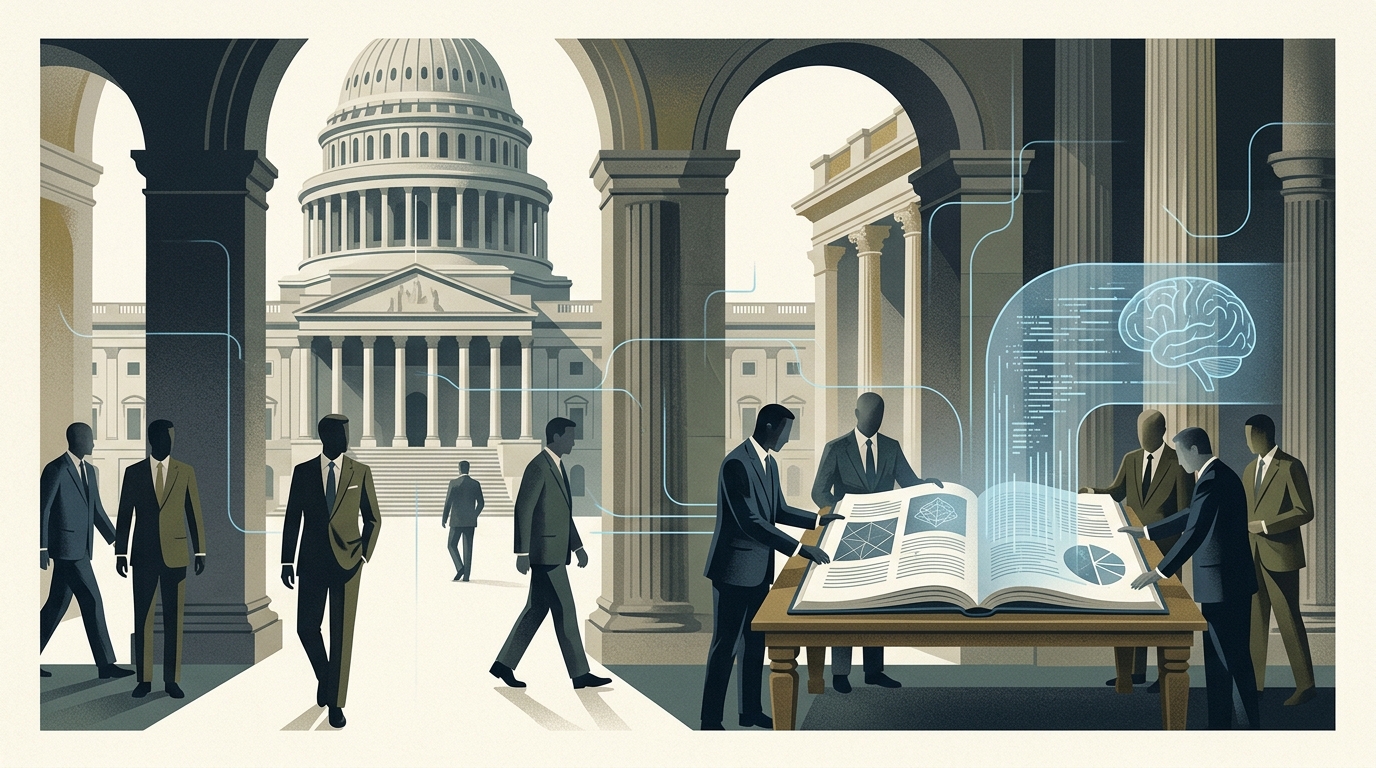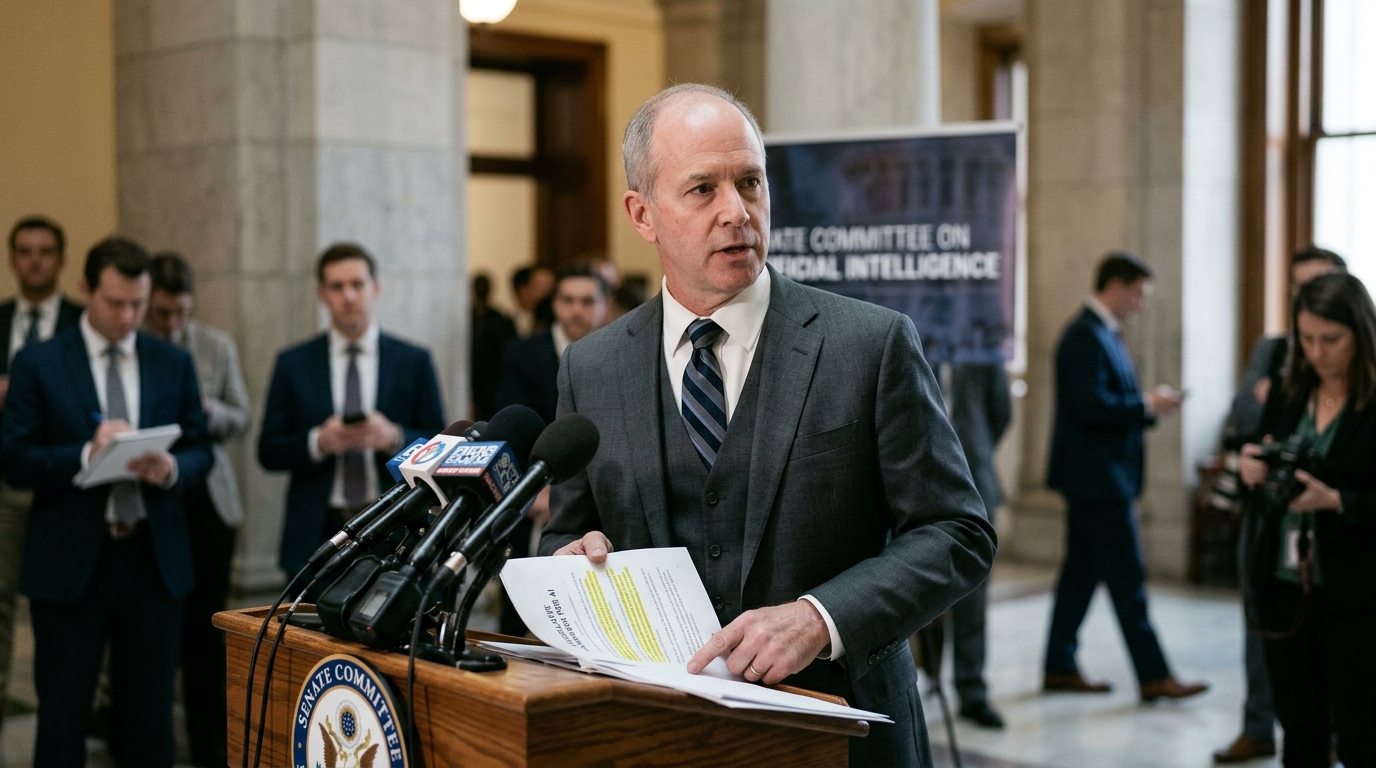
May 16, 2026, will likely be remembered as the day Washington finally decided to confront the "Digital Wild West." In a coordinated effort led by the Democratic party, the U.S. Senate introduced a comprehensive package of legislative initiatives today aimed at imposing strict rules on the development and deployment of Artificial Intelligence. This move follows months of deliberation and closed-door meetings with tech leaders, academics, and activists, signaling a shift from mere observation to active intervention.
The Architecture of Regulation: Transparency and Accountability
The centerpiece of the package, backed by a broad coalition of Democratic senators, focuses on "algorithmic accountability." For the first time, tech companies would be required to conduct regular audits of their systems to detect bias and discrimination before they are released to the public. The era where "black box" models dominated the market without any external oversight appears to be nearing its end. The new rules require developers to document training data and provide clear explanations of how their systems make decisions that affect citizens' lives, from loan approvals to health diagnoses.
Furthermore, the legislation introduces the concept of "digital watermarking." Any content generated by AI—whether text, image, or video—must carry an undetectable but permanent marker that allows users and platforms to identify its origin. This is a direct response to the explosion of deepfakes that have flooded the internet, causing confusion and undermining trust in digital information. The goal is to restore a baseline of shared reality in an increasingly synthetic information environment.
Protecting Democracy and Elections
With the midterm elections on the horizon, protecting the electoral process is the top priority of the new legislation. Senate Democrats are proposing a total ban on the use of deceptive deepfakes in political advertisements, imposing heavy fines on platforms that fail to remove them within 24 hours. "Our democracy cannot survive in a world where truth is optional," stated one of the bill's sponsors during the press conference. The urgency is palpable, as recent incidents of AI-generated voter suppression tactics have alarmed officials across the country.
The concern isn't limited to misinformation. The legislation also examines how social media algorithms amplify polarization. It proposes the creation of a new federal oversight body with the authority to inspect platform codes and ensure that inflammatory content isn't being prioritized simply to drive engagement. This represents a head-on collision with Silicon Valley's core business model, and it is expected to trigger fierce resistance from tech giants who view such oversight as government overreach.
The Clash with Silicon Valley and the Global Context
As expected, the reaction from the tech sector was immediate. While companies like Microsoft and Google have publicly expressed support for "reasonable regulation," there is significant skepticism about whether the proposed rules will stifle innovation. Critics argue that stringent documentation requirements and constant audits will give an advantage to countries like China, which is moving at lightning speed in AI development without similar ethical constraints. They warn of a potential "innovation drain" if the regulatory burden becomes too heavy.
However, Senate Democrats argue that regulation is actually pro-business in the long run by creating a stable and predictable environment. Drawing inspiration from the European Union's AI Act, American lawmakers seek to establish a "gold standard" for the rest of the world to follow. The challenge remains finding the middle ground: how to protect civil rights without stalling the technological progress that promises to solve some of humanity's greatest challenges, from climate change to personalized medicine.
Conclusion: A New Social Contract
The introduction of these bills marks the beginning of a long and difficult legislative battle. With the Senate deeply divided, securing the necessary votes will require significant compromises. However, the message is clear: the era of AI self-regulation is over. Society, through its elected representatives, is reclaiming control over the tools that will define its future. This is not just about technical rules; it is about shaping a new social contract for the digital age, ensuring that technology serves humanity rather than the other way around.