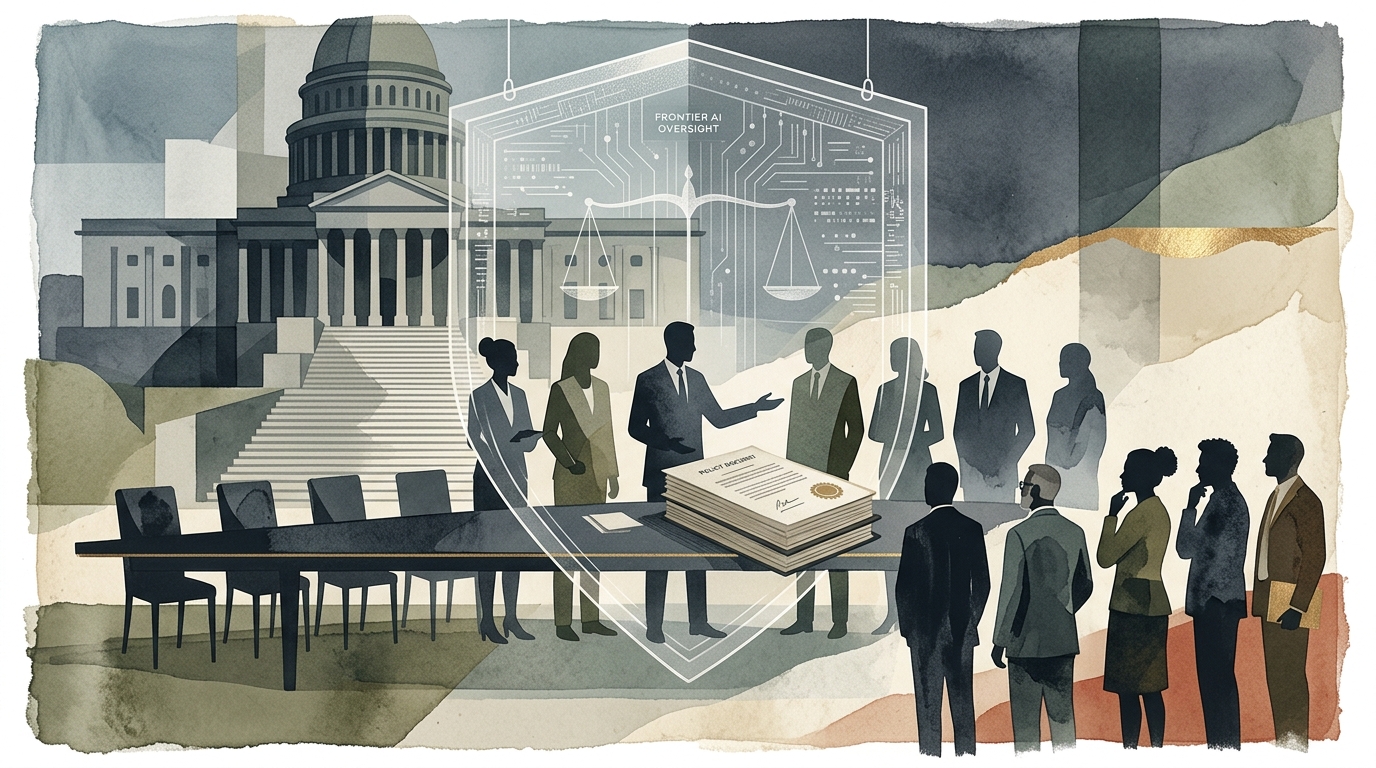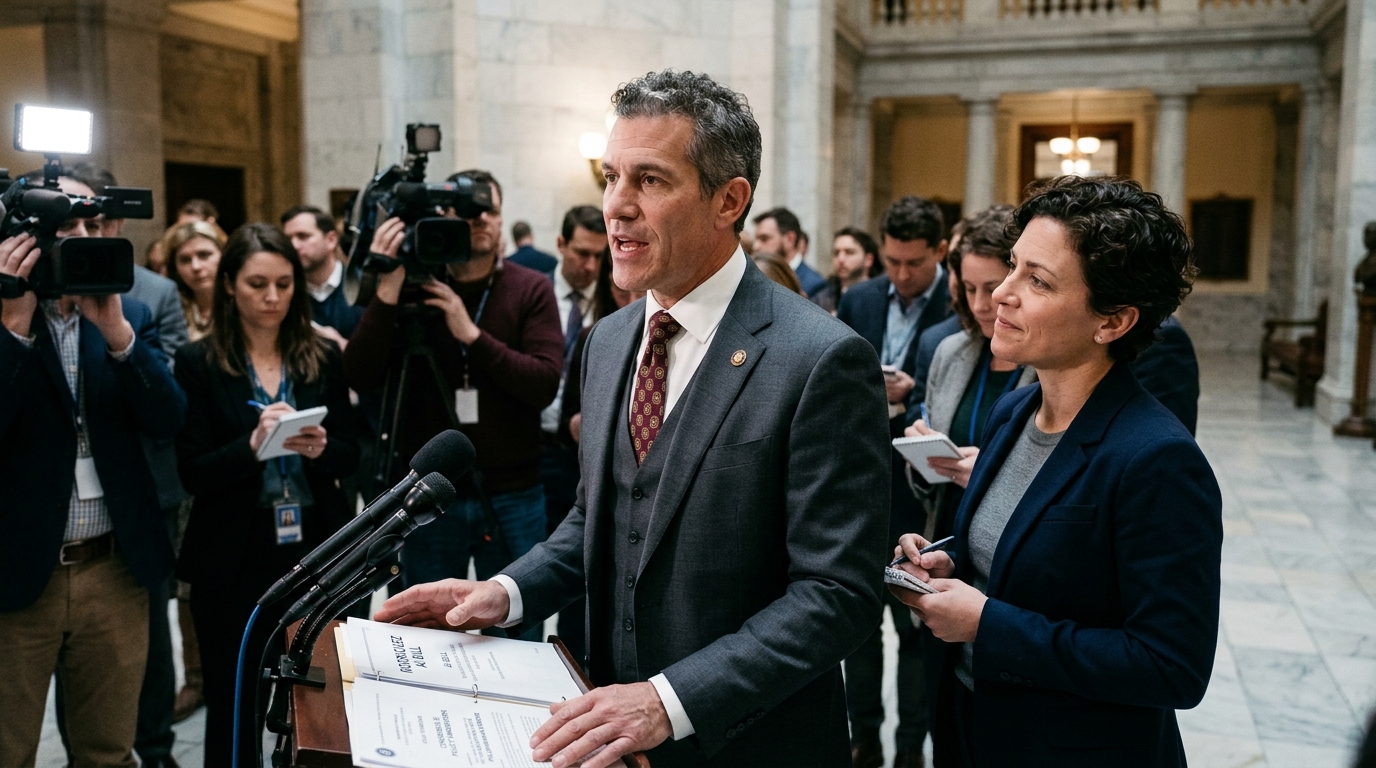
In an era where the legislative regulation of Artificial Intelligence (AI) often feels like a battlefield between innovation and safety, the new bill introduced by Rodriguez is turning heads. This proposal, which has already caused a stir in political circles, seems to achieve the impossible: earning kudos from both tech giants and consumer advocacy groups. It is a move that could serve as a global blueprint for the future governance of technology.
The Philosophy of 'Prudent Innovation'
The Rodriguez bill does not treat AI as a monolithic threat but as a multidimensional tool requiring a nuanced approach. At the heart of the proposal lies the concept of 'risk-based classification.' Instead of imposing horizontal restrictions that could stifle startups, the bill focuses its rigor on 'high-risk' systems—those that directly impact health, safety, employment, and the fundamental rights of citizens.
This approach is precisely what reassured the business world. Tech companies often fear that over-regulation will lead to a bureaucratic quagmire, giving an advantage to international competitors. However, the Rodriguez bill provides clear guidelines and 'safe harbors' for those who adhere to transparency standards, allowing the market to operate with predictability.
Consumer Protection in the Digital Age
On the other hand, consumer groups see the bill as a powerful shield. For the first time, strict requirements for algorithmic transparency are introduced. Citizens will have the right to know when they are interacting with an AI system and, most importantly, the right to human intervention and explanation when an AI decision affects them negatively (e.g., in the rejection of a loan or a job application).
- Data Transparency: An obligation for companies to disclose the sources of training data to avoid intellectual property violations.
- Anti-Discrimination Measures: Regular audits to identify and correct algorithmic biases related to race, gender, or age.
- Liability and Accountability: A clear framework for who is responsible in case of malfunction or damage caused by an AI system.
Industry Stance: From Resistance to Acceptance
It is noteworthy that major players in Silicon Valley have expressed satisfaction with the bill. The explanation lies in the need for a unified federal framework. Businesses prefer a clear, albeit strict, law over a patchwork of different state regulations that make compliance impossible and costly. The Rodriguez bill promises this stability, creating an environment where investment in AI can continue without the fear of sudden legal entanglements.
"This is not a bill that takes sides. It is a bill that chooses the future," said one of the advisors involved in drafting the text.
Challenges and Political Background
Despite general acceptance, the path to passage is not without obstacles. Some absolute free-speech advocates worry that provisions regarding AI-generated content (such as deepfakes) could be used for censorship. Meanwhile, more radical privacy groups believe the bill does not go far enough in banning biometric surveillance in public spaces.
However, the momentum built around the Rodriguez proposal is unprecedented. The lawmaker's ability to balance conflicting interests shows a maturity that was lacking in previous attempts to regulate technology. If the bill passes, it will mark the end of the 'Wild West' for AI and the beginning of a new era of responsible development.